Nigeria’s ambition to modernize its cargo logistics network took a significant step forward with the inauguration of a new domestic cargo terminal at Lagos’ General Aviation Terminal (GAT) on May 9, 2025. The Federal Airports Authority of Nigeria (FAAN) heralds the facility as a game-changer for aviation logistics. Yet, just kilometers away, the nation’s maritime sector struggles under the weight of persistent port access gridlocks—a stark contrast that reflects Nigeria’s ongoing infrastructure imbalance.
For Black and African travelers, exporters, and diaspora entrepreneurs, this dual reality paints a mixed picture of opportunity and frustration.
Read More: FAAN Suspends Access Fee at Abuja Airport, Till February
Air Cargo Modernization: A Boost for E-Commerce and Agro-Exports
The newly commissioned cargo terminal at GAT Lagos is part of FAAN’s broader strategy to streamline cargo operations across Nigeria. Spearheaded by the Minister of Aviation and Aerospace Development, Festus Keyamo, and implemented by the Directorate of Cargo Development, the facility promises to improve cargo handling efficiency, scalability, and connectivity.
With Nigeria’s e-commerce sector booming and agricultural exports steadily rising, the terminal offers a modern, secure logistics hub designed to alleviate long-standing bottlenecks. FAAN’s Director of Public Affairs, Mrs. Obiageli Orah, emphasized the terminal’s role in supporting small businesses, exporters, and logistics providers by enhancing the flow of goods nationwide.
The facility positions Lagos as a pivotal cargo hub, attracting national and international freight operators. Plans are underway to replicate this model in key cities like Abuja, Kano, Jos, Niger, and Port Harcourt—an initiative that could decentralize cargo movement and reduce the over-reliance on Lagos for freight operations.
For African traders and diaspora businesses reliant on seamless export channels, this development signifies improved accessibility, potentially lowering costs and reducing delays associated with domestic cargo logistics.
Read More: FAAN Warns Lagos Airport Agencies Against Misconduct
Maritime Sector Gridlock: A Symptom of Neglect
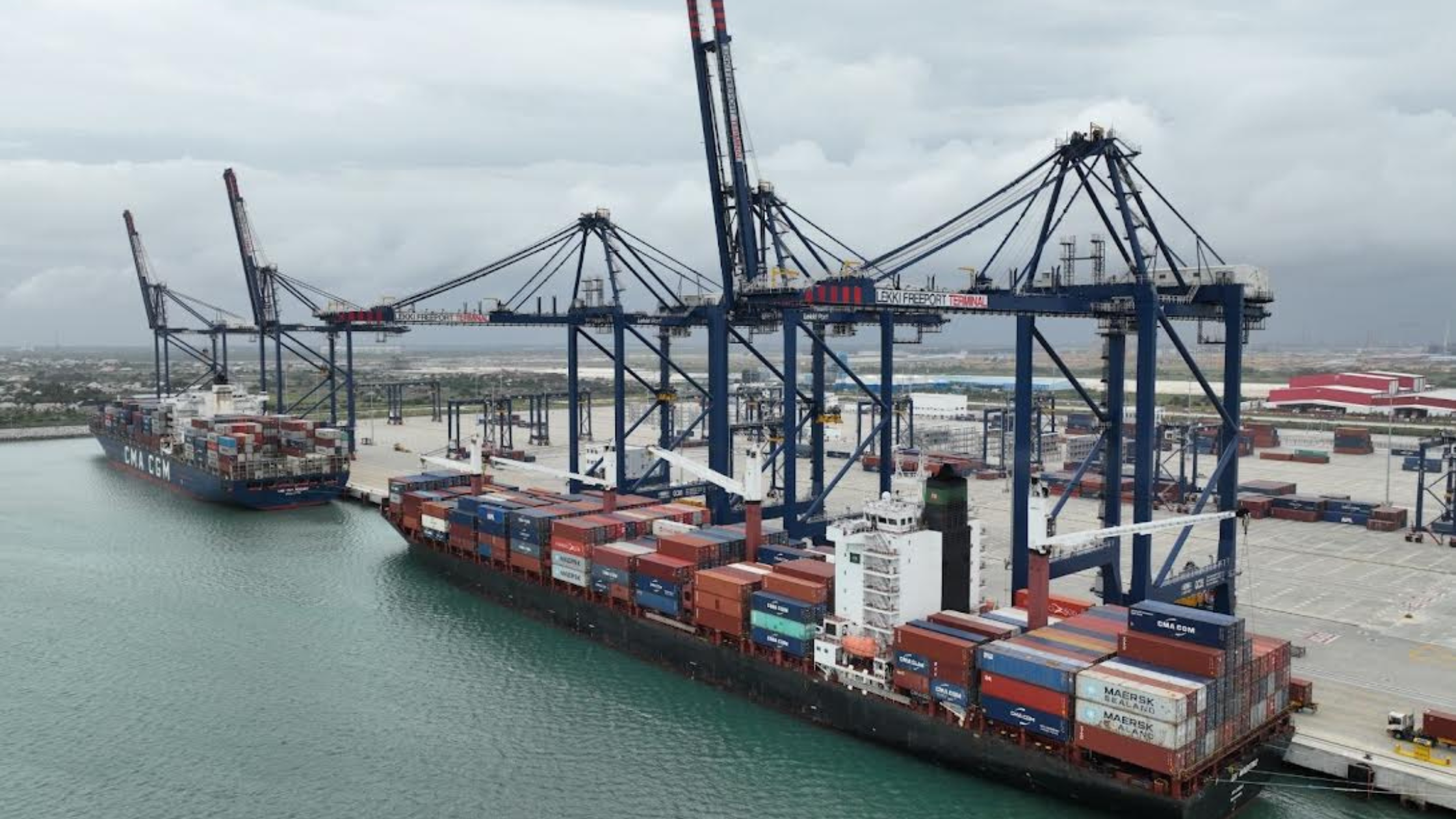
However, while FAAN celebrates progress, Nigeria’s ports remain choked with inefficiencies. Along the Oshodi-Apapa Expressway and Tin Can Island corridor, container trucks and petroleum tankers clog access roads, turning major highways into de facto parking lots. The maritime sector’s logistical paralysis has become a recurring nightmare for importers, exporters, and travelers alike.
Stakeholders like the Association of Maritime Truck Owners (AMATO) attribute the gridlock to a chronic lack of parking facilities, deteriorating road conditions, and ineffective regulatory enforcement. AMATO’s president, Oluremi Ogungbemi, highlighted the urgent need for a centralized truck marshalling yard capable of accommodating up to 5,000 trucks. Yet, without financial backing, this vision remains stalled.
For travelers navigating Lagos’ congested corridors, these infrastructural failings translate to increased travel times, heightened safety risks, and diminished mobility. Moreover, the systemic neglect disproportionately affects local communities and small-scale traders, often sidelined in policy decisions favoring larger corporations.
Policy Gaps, Global Perceptions, and the Black Experience
The juxtaposition of FAAN’s modern cargo facility against the backdrop of maritime gridlock underscores a troubling policy gap. While aviation receives strategic investments, the maritime sector—critical to Nigeria’s global trade—suffers from infrastructural decay and regulatory inertia.
This disparity reflects a broader trend of misrepresentation and neglect within global systems that marginalize African voices and interests. Inadequate infrastructure not only stifles economic growth but also perpetuates narratives of inefficiency associated with African nations, further entrenching global trade imbalances.
For the African diaspora seeking to engage in cross-border trade, these systemic issues complicate efforts to connect with home markets. Entrepreneurs face logistical hurdles that hinder the efficient movement of goods, impacting business viability and reinforcing global perceptions of Africa as a challenging investment destination.
Read More: FAAN Tackles Runway Delays, Boosts Airport Upgrades
Tourism, Mobility, and Cultural Exchange: The Human Impact
Beyond commerce, the state of Nigeria’s logistics infrastructure has direct implications for tourism and cultural exchange. Travelers arriving in Lagos for business or leisure are often confronted with logistical nightmares that tarnish their experience. The contrast between the modern airport cargo terminal and the chaotic port environment presents a fragmented image of Nigeria’s capacity to support seamless travel and trade.
Accessibility and mobility are core to tourism development. As Nigeria aspires to position itself as a leading destination for Afrocentric travel experiences, addressing these infrastructural deficiencies becomes imperative. Streamlined logistics enhance not just trade but also the overall travel experience, fostering cultural exchange and boosting Nigeria’s appeal to diaspora tourists.
Looking Forward: Bridging the Infrastructure Divide
While FAAN’s new cargo terminal signals progress, it also exposes the urgent need for a holistic approach to Nigeria’s logistics infrastructure. The maritime sector’s woes cannot be ignored if Nigeria aims to establish itself as a competitive player in global trade and tourism.
Policy makers must prioritize integrated solutions that address both air and sea cargo logistics, ensuring equitable development across sectors. Public-private partnerships, strategic investments, and transparent regulatory frameworks are essential to overcoming the current bottlenecks.
For African travelers, exporters, and diaspora communities, these developments are more than infrastructural upgrades—they represent pathways to economic empowerment, cultural reconnection, and a redefined global narrative.