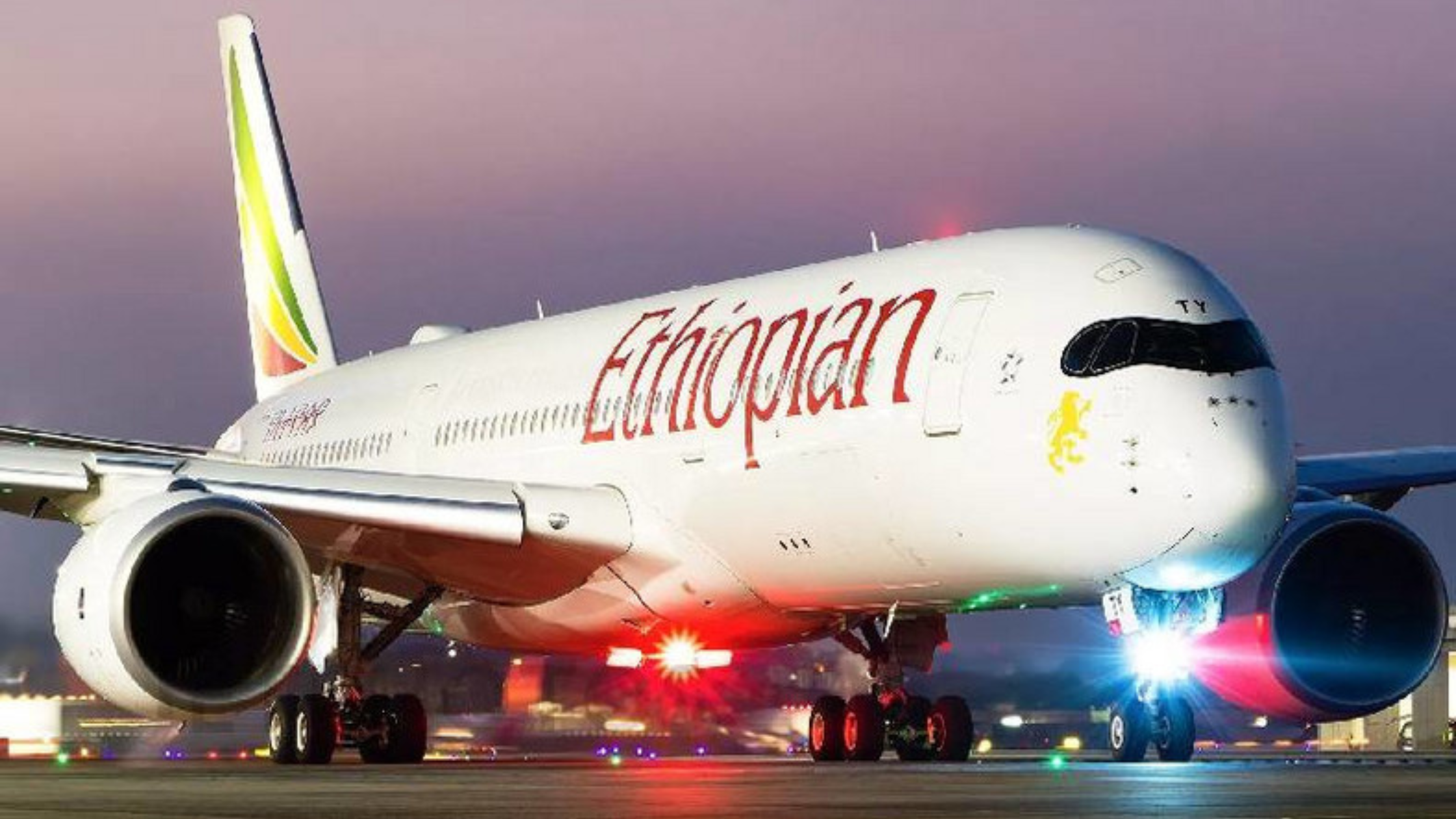
From July 1st, Ethiopian Airlines will significantly increase its presence in Nigeria by doubling its daily flights from Lagos to Addis Ababa, offering 14 flights per week. For many African and diaspora travelers, this is more than just a logistical update—it’s a shift that brings tangible improvements in travel access, connectivity, and affordability across Africa and beyond.
This move comes at a critical time when mobility across the continent still grapples with limited inter-African routes, high travel costs, and deeply ingrained structural inequities in the global aviation industry. Ethiopian Airlines’ expansion marks a notable departure from the usual neglect African cities face in global aviation networks.
The new schedule introduces four evening flights at 10:00 p.m. (ET902) and three early morning flights at 5:40 a.m. (ET904) each week, adding to the unchanged midday service. These flights are strategically timed to align with seamless connections to major African and global cities—including Dubai, São Paulo, Tel Aviv, Delhi, Istanbul, and Zanzibar.
For travelers from Nigeria and West Africa more broadly, this means fewer overnight layovers, faster total journey times, and better access to key tourism, business, and cultural destinations. According to Mrs. Firiehiwot Mekonnen, Ethiopian Airlines’ Area Manager in Nigeria,
“These extra flights help us improve service delivery and reduce costs for travelers. Most of our passengers will now arrive at their destinations faster.”
It’s a statement that speaks directly to the everyday realities of African travelers, who often endure longer, costlier, and more fragmented travel experiences than their counterparts in Europe or North America.
Read More: Lagos Commuters Brace for Potential Travel Chaos as Ride-Hailing Drivers Plan Workers’ Day Protest
Bridging Gaps in African and Global Connectivity
Ethiopian Airlines is not just another airline. It’s a rare symbol of African aviation leadership. As one of the few carriers on the continent that continues to expand routes and invest in modern fleets (including the Airbus A350-1000 and Boeing 787 Dreamliner), Ethiopian serves over 140 destinations worldwide and has operated in Nigeria since 1960.
The airline’s Lagos expansion isn’t just about logistics; it’s about leadership. It fills critical gaps in pan-African mobility—especially important for business travelers, diasporic families, artists, and students who depend on affordable and frequent flight options to remain connected across borders.
Boosting Regional Tourism and Economic Flow
This added frequency also carries major implications for Nigeria’s tourism and business sectors. Easier connectivity boosts regional tourism, encourages cross-border collaborations, and helps funnel more visitors to Nigeria—a country with immense cultural and historical appeal but long hindered by air travel bottlenecks.
By positioning Lagos as a stronger African travel hub, the increased flights could also encourage reciprocal traffic—from Addis Ababa and beyond—into Nigeria, driving local hotel, tour, and hospitality sectors.
Moreover, quicker access to global cities like Istanbul, Rome, and Mumbai could open new doors for Nigerian entrepreneurs and creatives looking to expand their reach, exhibit their work, or simply explore the world on equitable terms.
The Human Cost of Air Inequality—and a Step Forward
For too long, African travelers have been priced out, delayed, or ignored by international travel systems. Despite growing demand, many global airlines have pulled out of or reduced their routes to African cities—citing profitability challenges while failing to adjust their models to the continent’s realities.
What often gets lost in the headlines are the emotional and social tolls: missed funerals, delayed medical treatments, canceled business meetings, and disconnection from one’s roots and loved ones. For Black and African travelers, especially those in the diaspora navigating identity, homecoming, and belonging, flight availability is deeply personal.
This expansion by Ethiopian Airlines offers a hopeful contrast to that trend—a rare moment where access, agency, and African-led innovation intersect in the air.
Read More: A 72-Hour Journey Through Ethiopia: Ancient Wonders, Coffee Rituals, and City Life
A Call for Broader Reform
Still, Ethiopian’s expansion is a reminder of how much remains to be done. More African governments and regional blocs must prioritize aviation as a tool for integration and economic growth. Open skies agreements, visa-free travel within Africa, and fair pricing strategies must follow if the continent is to fully realize its tourism and development potential.
In a world still shaped by colonial air routes and global aviation policies that sideline African priorities, Ethiopian’s move is both a business decision and a cultural statement. It says: Africans deserve better. More options. More control over how and when they move.
What It Means for Travelers
If you’re a Nigerian looking to explore East Africa, visit family in Brazil, connect with a startup scene in Tel Aviv, or attend a conference in Istanbul, your journey just got easier. Fewer layovers. More schedule flexibility. Better pricing.
And for Black travelers globally—especially those who’ve long felt excluded from efficient global travel networks—this is a clear win.
As Ethiopian Airlines continues to chart new courses, it’s not just moving planes—it’s moving people, purposefully, and with power.