Castries, St. Lucia – June 2025
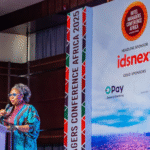
A heartfelt diplomatic address in St. Lucia this week is drawing attention across the Caribbean and the broader African diaspora. A leading Nigerian dignitary, President Bola Tinubu, whose presence at the Organization of Eastern Caribbean States (OECS) gathering marked a significant moment in Afro-Caribbean relations, delivered a moving speech that resonated far beyond ceremonial protocol. It was a call to connection, to heritage, and to a more inclusive global tourism narrative.
For the travel and tourism industries, this message couldn’t be more timely or relevant.
A Warm Welcome, A Shared Heritage
“Your Excellencies… the hospitality has been great, the knowledge, the experience, the feeling up to this moment is exhilarating and warm,”
the official began, addressing an assembly that included OECS heads of state, religious leaders, parliamentarians, and diplomatic figures.
But this wasn’t just diplomacy. It was personal.
Setting foot in the Eastern Caribbean, the Nigerian envoy described it as “deeply meaningful,” evoking a shared history shaped by colonization, the transatlantic slave trade, and a resilient cultural rebirth. His words reflected a common truth: that the Afro-Caribbean and African experiences are inextricably linked, not just by history, but by opportunity.
Diaspora Travel on the Rise
His presence at the OECS comes at a moment when diaspora tourism is gaining traction as both a cultural and economic force. African descendants in North America, Europe, and Africa are increasingly seeking travel experiences that reconnect them to ancestral roots and shared cultural identities.
Destinations across the Caribbean, particularly those with strong African cultural legacies like St. Lucia, Grenada, and Dominica, are perfectly poised to become epicenters of Black heritage tourism.
“This visit reinforces the idea that travel is not just leisure—it’s a form of reconnection,”
says Marcia Antoine, a St. Lucian-based cultural anthropologist.
“It opens a powerful door to healing, dialogue, and sustainable tourism grounded in authenticity.”
OECS as a Gateway to Afro-Centric Travel
The speech was not just a symbolic gesture. It was a strategic one.
For OECS member states, the occasion represents a tangible opportunity to position themselves as leading destinations for Pan-African travelers, particularly those interested in cultural exchange, historical understanding, and community-led tourism experiences.
This growing trend is backed by numbers. According to the UNWTO, African diaspora travelers contribute over $13 billion to global tourism annually, with many seeking immersive, educational, and emotionally resonant trips.
Implications for Travel Policy and Mobility
But beyond symbolic gestures and cultural kinship, there are practical implications. The speech emphasized a “legacy of aspiration” shared between Africans and Afro-Caribbeans. That legacy could now fuel policy shifts to ease travel restrictions, enhance visa agreements, and develop stronger air routes between Africa and the Caribbean, regions historically separated but culturally intertwined.
Improved diplomatic ties could pave the way for more direct flights, dual-citizenship programs, and sustainable tourism partnerships between African nations and OECS states, reducing dependency on traditional Western tourism markets.
“This isn’t just ceremonial, it has real-world effects,”
notes Jean-Marc Baptiste, an aviation and tourism consultant based in Barbados.
“Connectivity between Africa and the Caribbean is long overdue. The tourism potential is massive.”
Combatting Misrepresentation in Global Travel Systems
Equally powerful was the speech’s unspoken challenge to global travel systems that have long underrepresented, marginalized, or exoticized Black travelers.
In an industry often dominated by Eurocentric narratives, this moment calls for inclusive tourism content, equitable travel policies, and a broader acknowledgment of Black identity within global travel culture.
By embracing Afro-diasporic travel narratives, destinations not only address long-standing systemic gaps but also enrich their cultural offerings. It’s a shift from being “sun and sand” destinations to becoming spaces of living history, heritage, and healing.
Cultural Exchange: The Next Frontier
The envoy’s speech closed with a poignant note: “My presence here today symbolizes…” A symbol, indeed, of solidarity, of the healing power of presence, and of an evolving era where cultural exchange is not an afterthought, but a central pillar of tourism.
Local artisans, tour operators, and cultural institutions stand to benefit. Expect to see more initiatives that foster Black-led storytelling, diaspora collaborations, and historical site preservation.
A New Chapter for Travel in the African Diaspora
As the Caribbean welcomes African dignitaries not only with protocol but with purpose, travelers across the diaspora are watching. They’re planning trips not just for fun, but for fulfillment. They’re seeking not just souvenirs, but stories. And increasingly, they’re looking to the Caribbean as a homecoming destination.
For travel policymakers, tour operators, and content creators, the takeaway is clear: embrace this cultural moment, invest in authenticity, and open the doors wider for diaspora travelers hungry for connection.
The future of travel is not just global. It’s ancestral.