Undoubtedly, bees are celebrated for their role in the ecosystem, especially in pollination and honey production. Recently, World Bee Day was celebrated, basically to re-emphasise the need to protect them and use them sustainably. This highlights how vital they are to our food system and the health of our planet.
Unfortunately, bees can be as dangerous too, especially in wild Africa, where some species are more aggressive. They can turn a peaceful wildlife tour into a life-threatening encounter if precautions are not taken.
In this post, we’ll explore surprising facts about bees and share essential safety tips for safari lovers. I’ll also share a real-life tragedy that highlights the need for awareness. Safari Adventurers can’t afford to skip this.
Shocking Bee Attack in Nakuru: What Happened to Caleb Boit
Nakuru is a city in Kenya where this unfortunate incident happened. This is the tragic story of Caleb Boit, as his family was thrown into sadness because of his bee attack in Nakuru. Caleb was heading home on a Sunday when a swarm of bees attacked him. These swarms of bees were really aggressive in chasing him and stinging him repeatedly until he could no longer run. He staggered towards his gate with the bees clinging to his head. This incident happened for about an hour, leaving Caleb helpless. Eventually, Caleb was taken to the hospital, where he died the following day.
An autopsy later confirmed that the toxins from the bee stings killed him. According to a report narrated by Mtaawangu Nakuru, doctors confirmed that he suffered severe swelling in his respiratory tract, which disrupted the airflow to his lungs.
This bee attack Nakuru has drawn the attention of authorities to the increasing risk of bee-related incidents in 2025 in Kenya.
Another situation of a bee attack was recorded in an article by Osha Gray of Scientific American, where one out of two hikers was affected by the toxic effects of about 1000 stings from the bees.
Note: Stay connected with TravelRadio.live for Africa travel news.
Surprising Facts About Bees You Probably Didn’t Know
Facts about bees are beyond honey production. They play a vital role in the ecosystem.
In commemoration of World Bee Day 2025, Suresh Gudhe, a beekeeping expert, shared the excellent benefits of bees.
While bees are beneficial to us, they can also be detrimental to humans when disturbed.
The image below shows a bee pollinating a flower, depicting their role in the African food system.
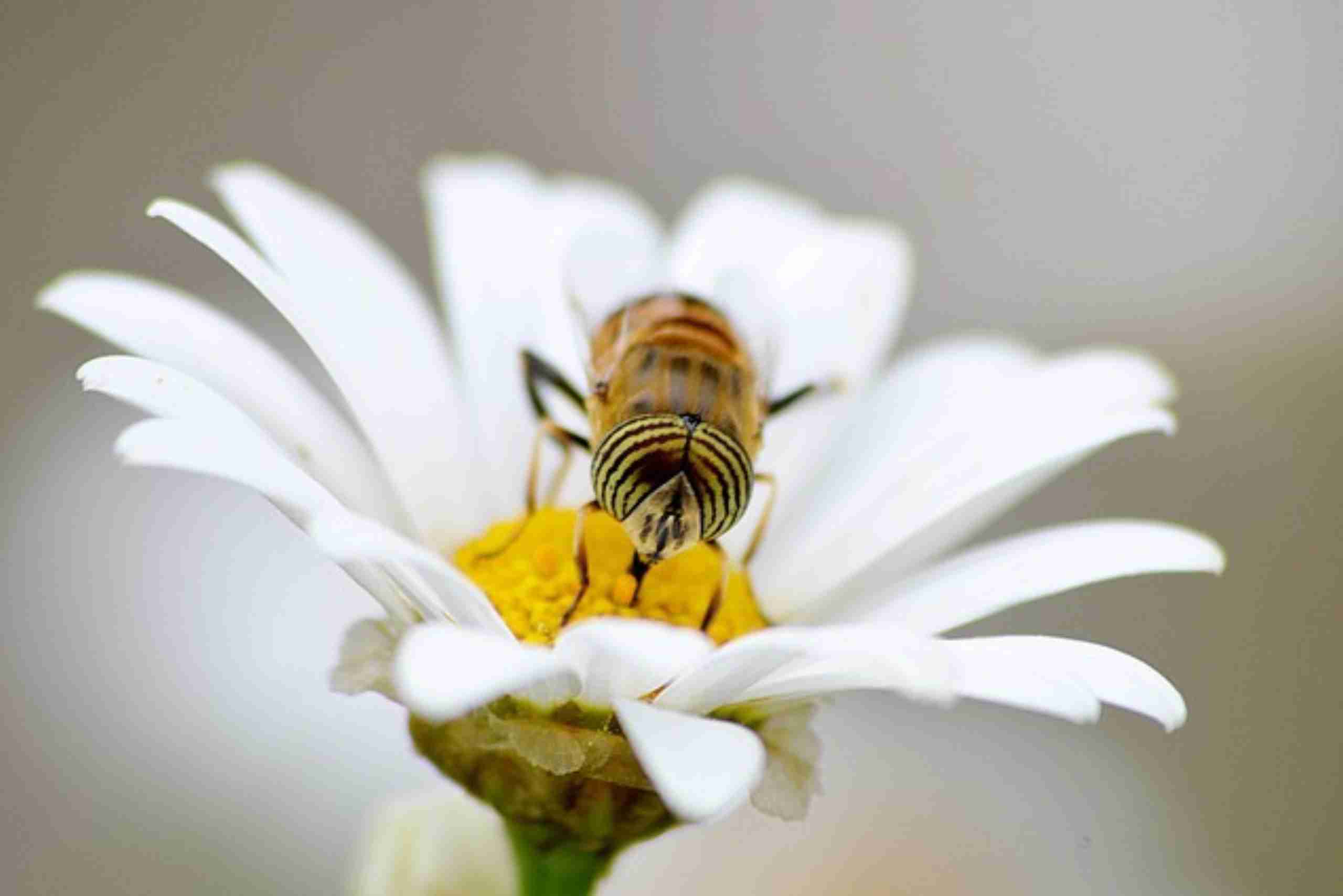
Image Source: Pixabay
Bee behaviour in Africa is much different from that of European varieties, according to an article by the Natural History Museum. Amongst the several species of bees in Africa, the most aggressive are the African honey bees. However, they are not unnecessarily aggressive. But, they are quick to swarm to a perceived threat.
Below are some surprising bee facts you should know.
- Bees pollinate about one-third of the food we eat.
- Bees react strongly to dark colours, this is why beekeepers wear white suits.
- Bees are often attracted to bright colours and strong scents, according to an article by Cornell Cooperative Extension.
- Bees’ sting scent alerts other bees to attack.
- Africanized honeybees, a hybrid of African Honeybees and European varieties, are known to be much more aggressive.
- Africanized honey bees, also called killer bees, could kill an adult with a cut of 1000 stings, according to the Nature History Museum.
The image below shows a well-kitted beekeeper.

Image Source: Pixabay
How to Stay Safe From Bee Attacks During a Safari
Safety against bee attacks is essential during a safari. While going on a safari adventure in Kenya, take these precautions to prevent bee attacks in Kenya and other destinations.
Below are safety tips for wildlife tours.
- Avoid wearing bright clothing and perfume.
- Keep windows closed when near bush areas.
- Stay calm and walk away slowly if you spot a swarm.
- Resist the urge to swat bees when they come at you.
- Cover your face, excluding your vision, if you accidentally disturb a nest.
- Run to an enclosed shelter if you accidentally disturb the bees.
- Avoid jumping into the water for the shield, the bees await you above.
- Follow your local guide’s instructions.
Note: TravelRadio.live is open to receiving your travel stories if you desire to share.
Final Thoughts
Bees are critical to our food system and environment. They play a vital role in pollination, biodiversity, and sustaining life. However, it is essential to keep away from their troubles. This is also specifically important for travellers who go on a wild safari adventure. Bees are animals that respond to perceived threats with a defensive sting, which is usually toxic to the human body.
Surprisingly, the extent to which they respond to their threats can cause the loss of human life, as is evident in the story of Caleb in Nakuru. Studies have also been conducted about highly aggressive species of bees that move very fast in a swarm and chase their threats for a long distance. Therefore, safety precautions are essential. Please do not fall victim to their attack.
Listen to TravelRadio.live for insightful tips on travelling.
Also Read: British Passports Approved For EU E-Gates—But Black Travellers Still Face Unequal Borders