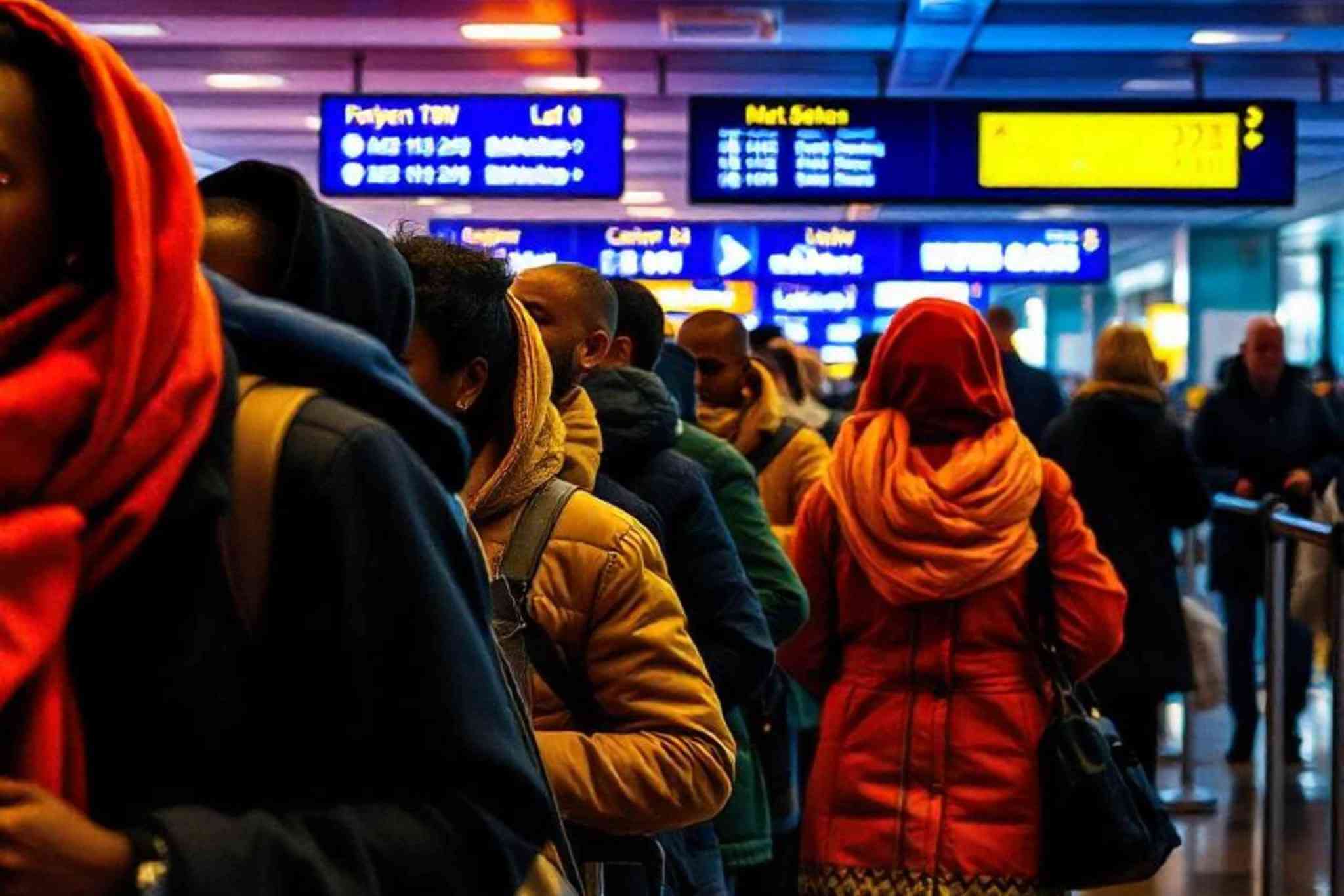
Loud snoring is not regular! It’s unbelievable. Yes, you read that right. At one point or another, we once believed that snoring was only a result of stress and deep sleep after hard work. The most common belief I’ve heard is that sleeping position also causes snoring. Whereas in a report by Tribune Online, Dr Folorunsho, who is an ear, nose and throat surgeon at the University of Abuja Teaching Hospital, explained that loud snoring is beyond this popular belief.
According to Dr Folorunsho, loud snoring is a pointer to Obstructive Sleep Apnoea.
What Causes Loud Snoring While Travelling?
Loud snoring can be a travel-induced snoring issue, which is often caused by a range of factors. These factors could be a result of lifestyle changes or circumstances specific to travelling. For some, it could be a chronic issue.
John Hopkins Medicine, in an article, estimated that about 45 per cent of adults snore occasionally, while 25 per cent snore regularly. While snoring disturbs snorers’ bed partners, it also disturbs the snorers. Some health organisations have also linked snoring triggers to other factors, such as ageing and postmenopause.
Snoring and sleeping positions while travelling are closely connected, as slumping backwards or forward during sleep can restrict airflow and increase the likelihood of snoring.
Dan Vena, PhD, a researcher in the Division of Sleep and Circadian Disorders at Brigham and Women’s Hospital, according to the National Heart, Lung and Blood Institute report, contributed that snoring is a primary reason why people see medical professionals, even if they do not see doctors for any other disruptions in the daily lives.
What causes snoring in transit? Below are common reasons.
- Relaxed throat muscles
- Obesity
- Alcohol
- Sedatives
- Goitre
- Exhaustion
- Cabin pressure
Note: Do you enjoy hearing powerful stories of Black journeys and experiences? Tune in to our Wake and Wander talk show on TravelRadio.live.
Snoring Isn’t Harmless: Expert Insight from Sleep Doctors
Obstructive Sleep Apnea (OSA) is a situation where you gasp for air while you sleep. Obstructive sleep apnea occurs when the throat muscles relax and block the airway. It occurs when breathing stops and restarts many times while you sleep. Snoring is an OSA symptom.
Furthermore, Professor Morris DelRosso, the Director of the Sleep Centre and Training Programme at the University of California, also found in her studies that sleep disorders are also found in Children. She observed sleep apnoea symptoms and also found that restless movements at night also cause sleep disorders in children.
According to a report by Tribune Online, Professor Morris DelRosso stated that children need to have enough hours to sleep even more than Adults. However, they’ve been getting poorer sleep, especially as a result of prolonged digital use. This reduces their bedtime and also affects their proper brain development in the long term.
Jason Nagata, M.D., another paediatrician at UCSF Benioff Children’s Hospital and a screen time researcher, conducted a series of studies, including a retrospective study. He discovered that children who spent long hours on screens during their teenage years were more likely to face long-term health consequences, such as an increased risk of diabetes and heart disease in adulthood.
The image below shows a man with a heart issue.

Image Source: Freepik
Note: Are you missing out on travel news in Africa and around the world? TravelRadio.live is a trusted tourism radio station you can rely on for up-to-date travel news.
Health Risks Behind Travel Snoring: Could It Be Sleep Apnoea?
Sleep Apnoea risks during travelling can increase due to cabin pressure changes, lower oxygen levels, and interrupted rest. Studies have linked heart disease and snoring together. If left untreated, one could develop hypertension from sleep issues. According to the American Heart Association, Sleep Apnoea increases the risk of heart failure by causing left ventricular diastolic dysfunction. The study by the American Heart Association also reveals that the sleep disorder is more common with male sex and older age.
Dr Azfar Kamal on X also shared their experience while in the sleep clinic that Obstructive Sleep Apnoea patients they attended to were mainly caused by being overweight.
In sleep clinic today, most of patients are referred to us from primary care/Hospital TRO Obstructive Sleep Apnoea / Masalah berdengkur yang teruk.
From my observation, the main cause of this illness is mainly due to overweight / obesity with
BMI > 35kg/m2
Male > Female
— Dr Azfar Kamal (@Azpapip) March 1, 2023Below are other hidden health dangers behind loud snoring.
- Type 2 diabetes
- Liver dysfunction
- Severe fatigue
- Stroke
- Weight gain
- Memory loss
- Road accident
- Oxygen drop during flight
Are you health-conscious as a traveller? Check out this piece on the risks of poultry meat obsession
Practical Tips for Managing Snoring While Travelling
Snoring while travelling will cause you discomfort and disturb other travellers with you. Do you experience snoring while travelling or while you’re sharing space with others? If you’ve been seeking solutions on how to stop snoring while travelling, I’ll recommend some anti-snoring tips for travel that you can adopt.
Below are essential snoring prevention travel hacks.
- Sleep upright with neck support for easy airflow.
- Avoid taking alcohol before travelling.
- Avoid taking sedatives; they cause your throat muscles to relax.
- Get nasal strips to improve airflow when you sleep
- Keep a moderate weight.
- Stick and adhere to a sleep schedule to avoid over-tiredness.
- Travel with a continuous positive airway pressure (CPAP) machine if you’ve been diagnosed with Obstructive Sleep Apnoea.
The image below shows a CPAP machine.
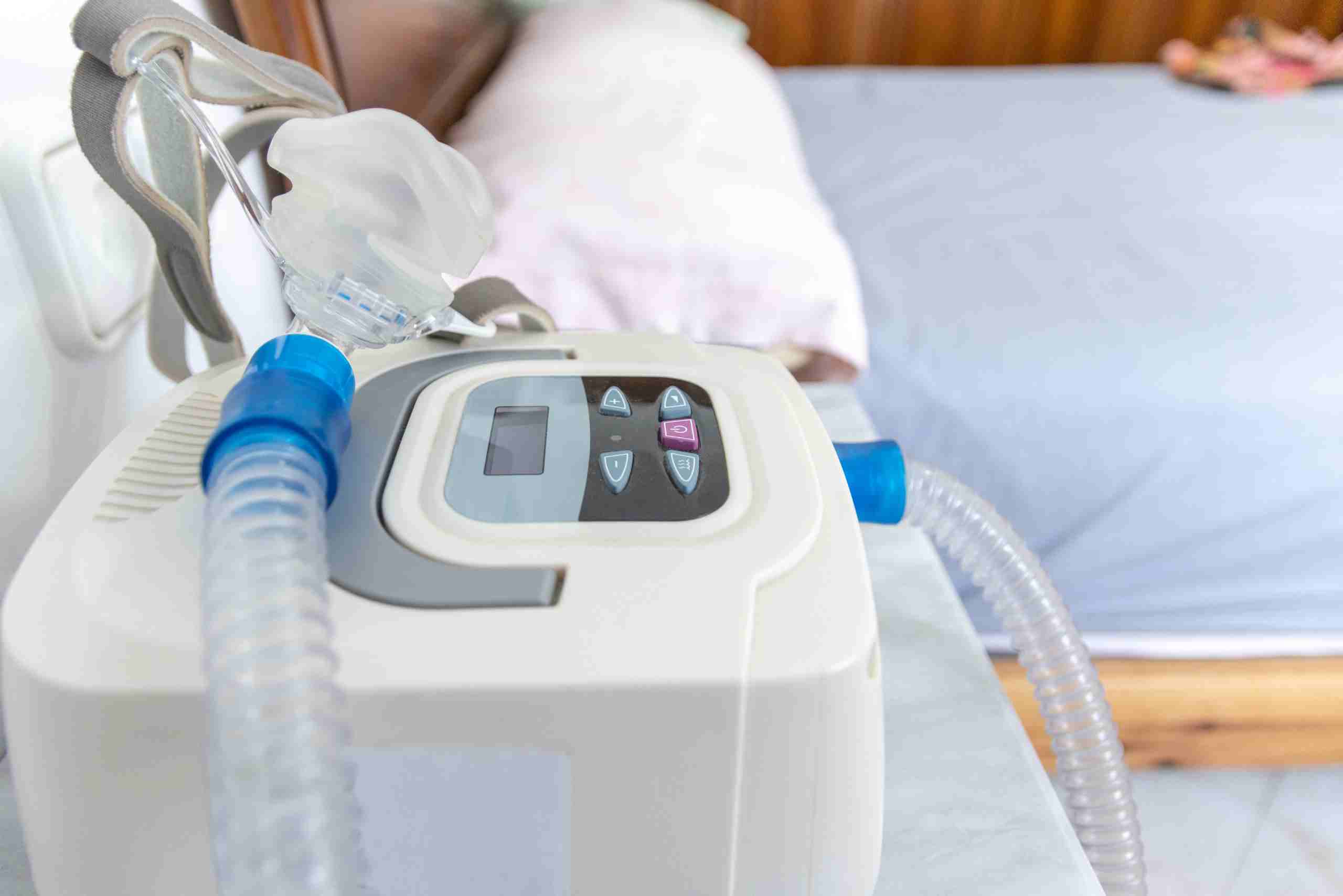
Image Source: Freepik
Final Thoughts
Snoring on flights, buses, or trains can be embarrassing. It can also be dangerous as well especially if it’s related to the chronic sleep disorder, Apnea. My research on the X (Formerly Twitter) platform also shows that snoring is a medical condition that people often don’t consider as one, or usually overlook its seriousness.
Always snoring while travelling? There’s a possibility that you won’t wake up during emergency announcements. If people have been complaining about this attribute of yours, then I’ll advise you to see a sleep doctor. Especially if you gasp during sleep or wake up tired. Seeing an ENT or sleep specialist is essential.
Subscribe to TravelRadio.live newsletter at the bottom of our homepage for more travel tips and insights.
Also Read: Surprising Facts About Bees! Tips Safari Lovers Should Know