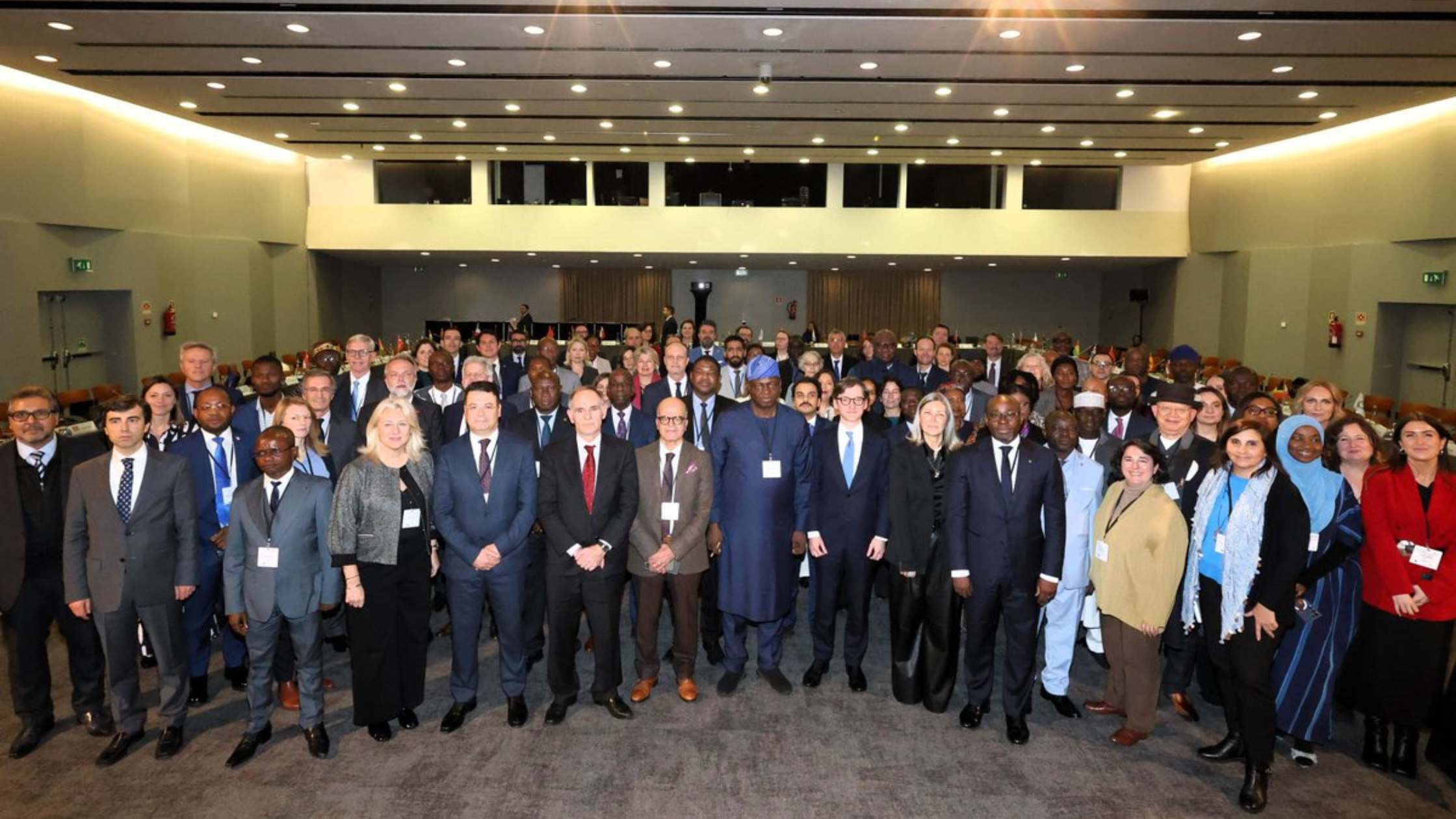
The African Union is reaffirming its commitment to reparations for the transatlantic slave trade and colonialism, urging global leaders not to let the surge of right-wing populism derail the conversation. Angela Naa Afoley Odai, head of the African Union’s diaspora division, emphasized in an exclusive interview with Reuters that now is a crucial moment for Africa and its global diaspora to demand justice.
“There is no better time than this to discuss reparations as Africans,” said Odai. “Even amid political shifts that may feel intimidating, our voices must be heard.”
This statement follows warnings from leaders like Cape Verde’s President Jose Maria Neves, who has noted that the rise in political polarization across Europe—particularly in countries like Portugal, France, and Britain—has made discussions on reparations more contentious in public forums.
While global momentum for reparations grows, so too does resistance. Former U.S. President Donald Trump famously dismissed the idea, saying he didn’t see it happening. Many European leaders remain reluctant to even acknowledge the topic publicly.
Despite the pushback, African leaders are moving forward. In February, the AU launched a renewed call for reparations, outlining plans to propose a unified framework. This could include financial restitution, public acknowledgments, educational reforms, and formal policy changes. The AU’s statement clarified that strategies may range from diplomatic negotiations to legal actions pursued through international courts.
For Black and African travelers, this reparations discourse isn’t abstract—it’s about global recognition of lived histories and structural injustices that continue to affect how they move through the world. From visa discrimination and racial profiling in airports to the economic inequalities that shape mobility, the legacy of slavery and colonialism is deeply embedded in modern travel infrastructure and policy.
Odai stressed the importance of unity between Africans on the continent and those in the diaspora, particularly in the Caribbean, to create a powerful collective front. She pointed to existing Africa–EU partnerships as channels to advance the reparations agenda.
Opponents argue that today’s governments shouldn’t be held responsible for past atrocities. But advocates highlight how systemic racism and institutional inequalities are not relics of the past—they are ongoing realities rooted in history. Moreover, many modern institutions continue to benefit from wealth built through centuries of exploitation.
For African and Black travelers globally, reparations are not just about compensation. They represent an opportunity to reshape narratives, dismantle harmful stereotypes, and build infrastructure that respects the dignity, heritage, and rights of people of African descent.
Travel Radio:
At Travel Radio Live, we believe that truth-telling and justice are essential to how we travel, connect, and influence the world. Reparations are not only about the past—they’re about reclaiming the future. For Black travelers, this is about access, agency, and visibility. Let’s keep the conversation going.