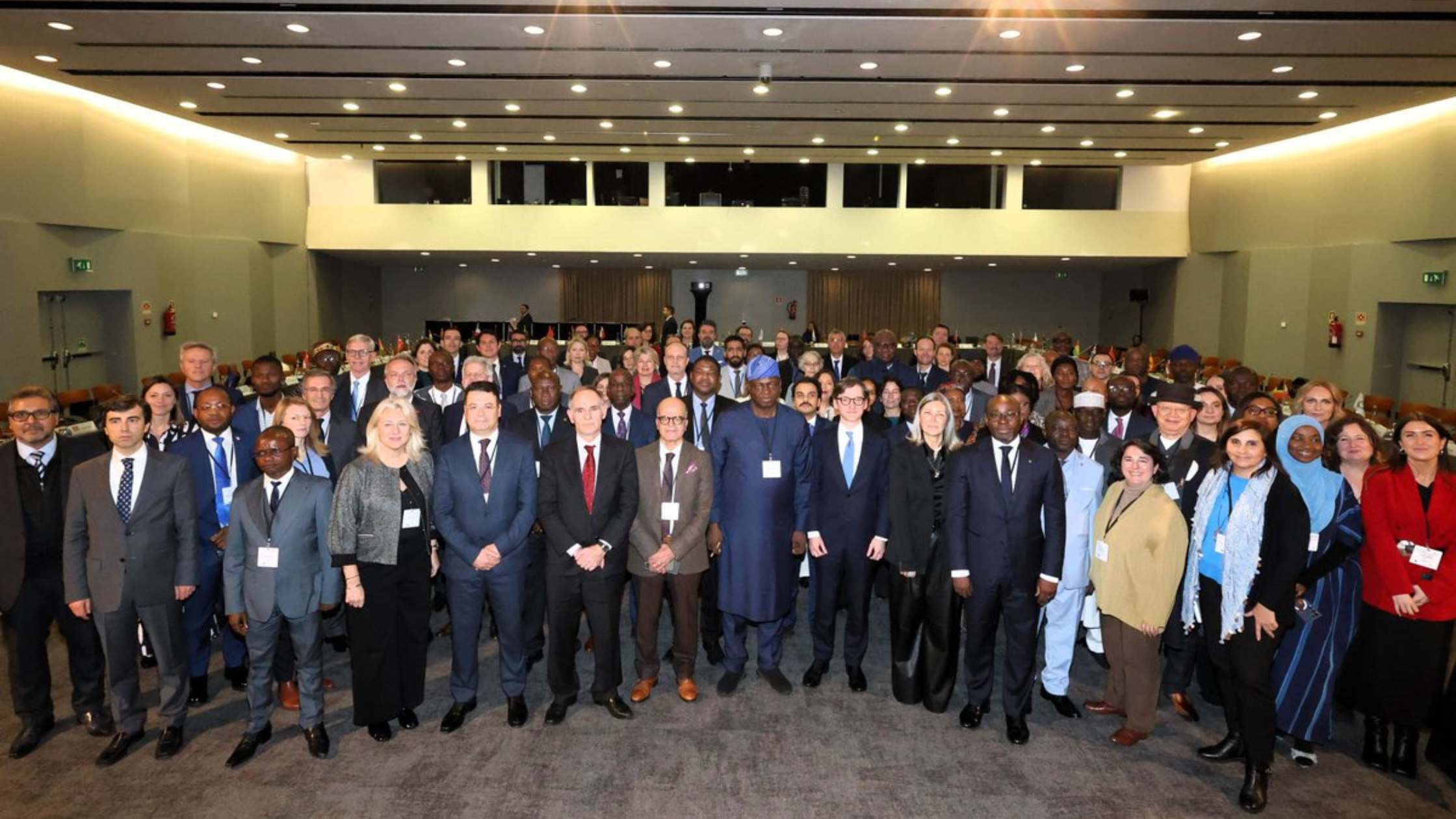
ABUJA, NIGERIA – The corridors of the Nicon Luxury Hotel in Abuja echoed with urgent calls for change this week as over 100 delegates from 57 countries gathered for the first thematic meeting of the 2025 Rabat Process, a landmark Euro-African dialogue on migration and development. But this time, the agenda was different — youth voices, long sidelined in migration governance, were not just present but central.
Nigeria, now chairing the Rabat Process, used its leadership platform to challenge the global migration narrative that often frames Africans and the diaspora as desperate, irregular, and voiceless. Instead, Nigerian Minister of Humanitarian Affairs and Poverty Reduction, Professor Nentawe Yilwatda, urged policymakers to embrace a transformative approach that views youth, innovation, and education as the lifeblood of sustainable, dignified migration systems.
“Migration should never be the consequence of despair but an expression of choice, ability, and vision,” Yilwatda told the gathered officials, experts, and young leaders. “We need to stop painting migration with the brush of fear and instead spotlight its potential to drive purpose, mobility, and cultural exchange.”
A Challenge to the Global Narrative
For too long, African migration stories have been misrepresented in global media and policy forums. The narrative tends to criminalize and dehumanize African travelers while ignoring the systemic inequalities, climate injustice, and youth unemployment that force many into unsafe journeys.
This week’s meeting was a sharp pivot from that pattern. Minister Yilwatda emphasized that while conflict, climate change, and economic disparities continue to fuel migration pressures, over 80% of African migration remains regular. Yet, the dominant global discourse still speaks the language of crisis and illegality.
“In Abuja, we imagined a different story,” Yilwatda said. “A story where immigration is safe, legal, dignified, and voluntary. A story where African youths are not running from lack, but running towards purpose.”
This message resonates deeply in the context of Africa-to-Europe migration, where policies often tighten borders while failing to address the root causes of displacement or create safe, legal pathways.
From Conversation to Coordination: A New Roadmap for Mobility
Beyond rhetoric, the Abuja meeting laid out clear calls to action. Yilwatda challenged African governments, development partners, and the private sector to:
- Invest in mobility pathways that empower, rather than restrict, young Africans.
- Strengthen diaspora engagement and skill recognition across Africa and Europe.
- Create frameworks that return talents, recognize African qualifications, and open safe migration corridors, particularly for fragile and climate-affected communities.
For travelers, students, and professionals in the Black and African diaspora, these commitments could dramatically shift how mobility is accessed and experienced — moving from risky, irregular channels to safe, dignified, and purpose-driven exchanges that honor African knowledge, skills, and aspirations.
Youth as Co-Creators, Not Token Participants
Spain’s Ambassador-at-Large for Migration Affairs, Pilar Jimenez, underscored the need to move from mere “inclusion” to co-creation of spaces where African youth help shape migration policies as equal partners.
“Thanks to this first participation of youth in the Rabat Process, we will keep exploring ways to make your participation more sustainable,” Jimenez said. “Youth is not just a part of the solution. Youth **is the solution. The future just started here, in Abuja, within the Rabat Process.”
Her comments echoed the sentiments of young Nigerian representatives, who demanded that decision-makers move beyond sympathy. What they need, they said, are structures, access, and trust — not handouts but genuine platforms to co-design migration systems that reflect their lived realities.
Implications for Travel, Tourism, and Cultural Exchange
For African travelers, diaspora communities, and tourism industries, these developments hold promise but also underline lingering tensions. While policymakers pledge to open safer migration routes, European and African visa systems remain discriminatory, expensive, and cumbersome, disproportionately impacting African travelers.
At the same time, the global tourism industry often exoticizes African cultures while denying the continent’s people the same freedom of movement enjoyed by others. The Abuja meeting placed these contradictions at the heart of the conversation, demanding that migration governance dismantle systemic inequalities and prioritize dignity over deterrence.
“Let us remind the world that migration, at its best, is a celebration of what we can build across borders, not what we fear beyond borders,”
said Yilwatda, reinforcing the urgent need for the travel and tourism sector to become advocates for open, just, and people-centered mobility systems.
The Road Ahead: Will Promises Turn into Practice?
As Nigeria leads the Rabat Process into 2025, the challenge is clear — to move from dialogue to action, from policy papers to programs that impact travelers’ lives, from empty promises to sustainable frameworks that honor African talents, cultures, and dreams.
For the millions of young Africans and diaspora members seeking mobility for education, work, and cultural exchange, the Abuja meeting signals a potential turning point in how migration is framed, governed, and experienced. But only if governments, private sector leaders, and global systems are held accountable.
At Travel Radio Live, we will continue to amplify these stories, monitor these commitments, and ensure that the lived experiences of Black and African travelers are at the center of global conversations on migration, tourism, and cultural exchange.