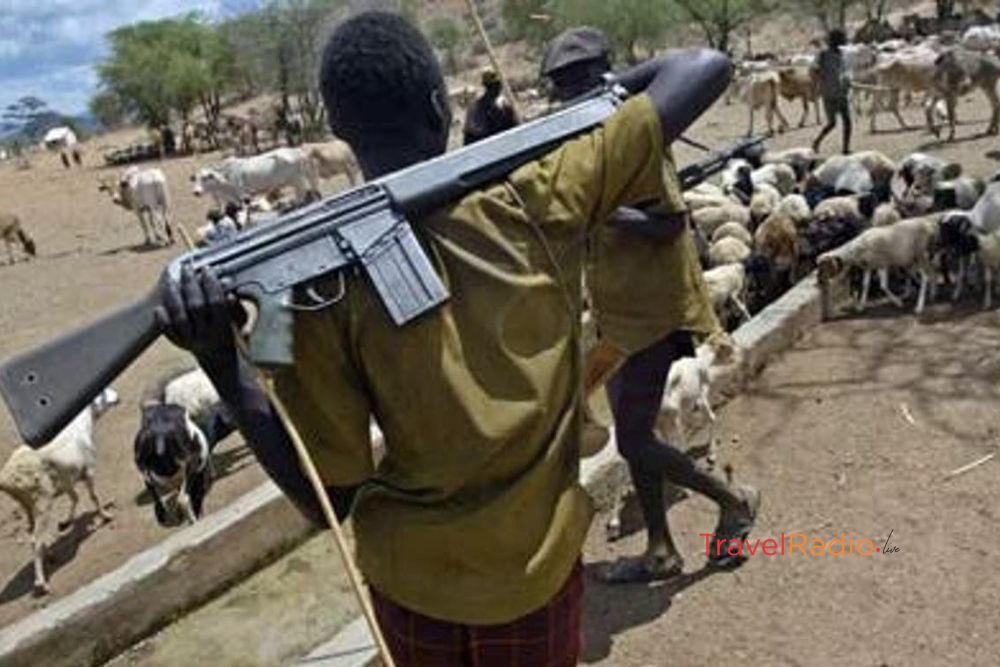
Benue State, Nigeria – At least 56 people have been confirmed dead after suspected nomadic herders launched brutal attacks on farming communities in Nigeria’s Benue State, escalating a crisis that has displaced millions and deepened food insecurity across West Africa. The violence, which unfolded in the Ukum and Logo areas, marks another grim chapter in a conflict that disproportionately impacts Black agrarian communities while exposing systemic failures in governance and climate adaptation.
Governor Hyacinth Alia revised the death toll upward after visiting ravaged villages, warning that numbers could rise as search efforts continue. The attacks follow a pattern of unchecked bloodshed: just days earlier, 11 were killed in Otukpo, while neighbouring Plateau State saw over 50 massacred in late March. Since 2019, herder-farmer clashes have claimed 500+ lives and displaced 2.2 million Nigerians—many of them Black farmers whose ancestral lands are now battlegrounds.
Read More: U.S. Tightens Visa Rules for Nigerians — Don’t Go to Your Interview Unprepared
While international outlets often frame the conflict through ethnoreligious lenses (Muslim Fulani herders vs. Christian Berom/Irigwe farmers), the root causes trace back to colonial-era land policies and climate collapse. Drought and desertification, exacerbated by global emissions disproportionately caused by the Global North, have forced herders southward into fertile farmlands. Yet Nigerian authorities, under President Bola Tinubu, face blistering criticism from Amnesty International for leaving rural Black communities “at the mercy of rampaging gunmen.”
The Untold Impact on Black Diaspora and Travel
The violence reverberates beyond Nigeria:
- Food Security: Benue, dubbed “Nigeria’s food basket,” now faces crippled crop production, threatening regional food supplies and inflating prices—a blow to diaspora communities reliant on imports.
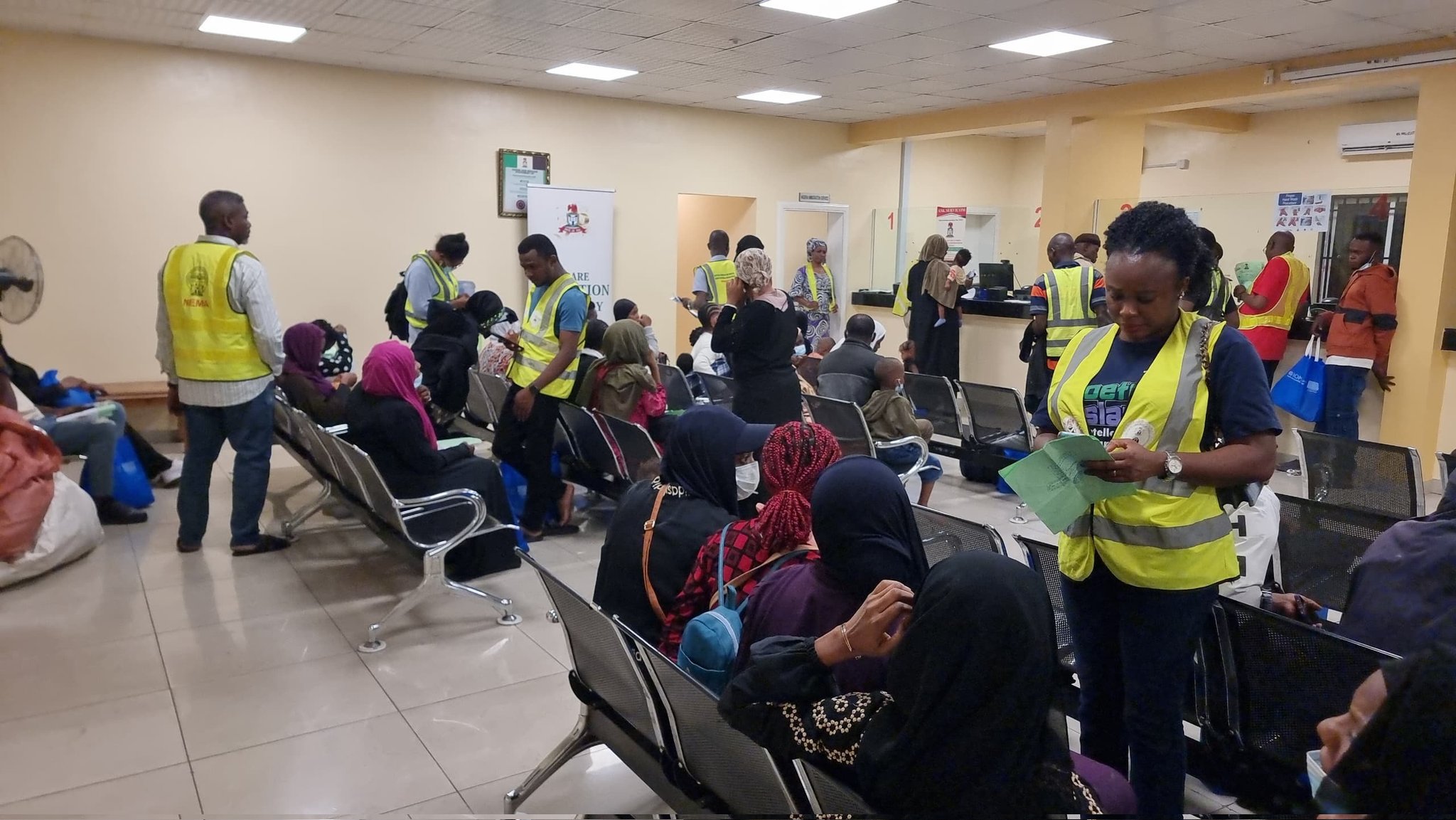
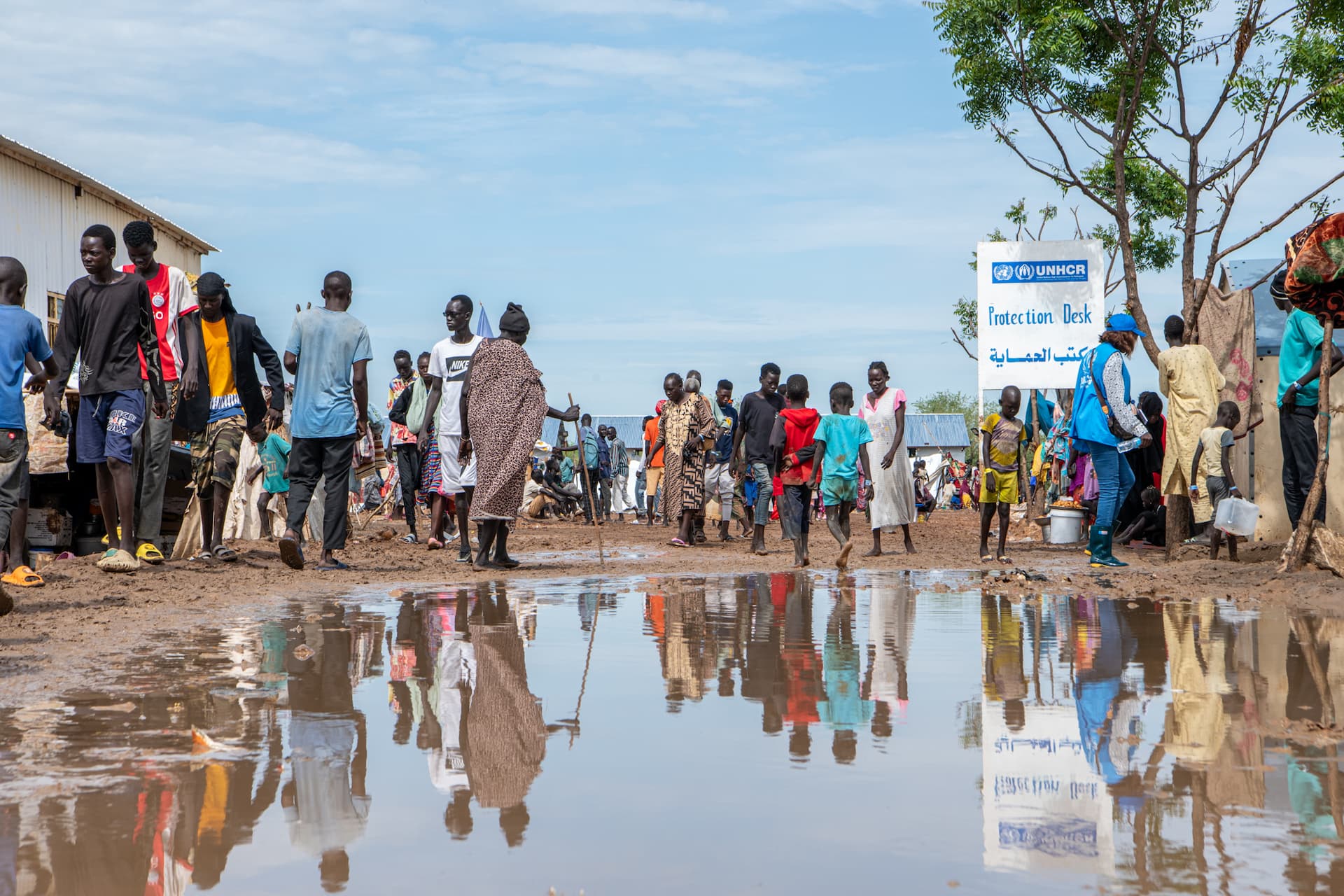
- Displacement: Over 2 million internally displaced persons (IDPs) strain resources in nearby cities, mirroring crises in Sudan and Congo where Black populations bear the brunt of instability.
- Travel Warnings: Countries like the U.S. and U.K. have issued advisories against travel to Nigeria’s Middle Belt, denting tourism revenue and isolating Black-owned businesses.
The Tinubu administration’s inaction mirrors global apathy toward African conflicts. As Black communities worldwide confront rising xenophobia and migration barriers, this crisis underscores a urgent truth: without land reform, climate reparations, and inclusive governance, the cycle will continue.