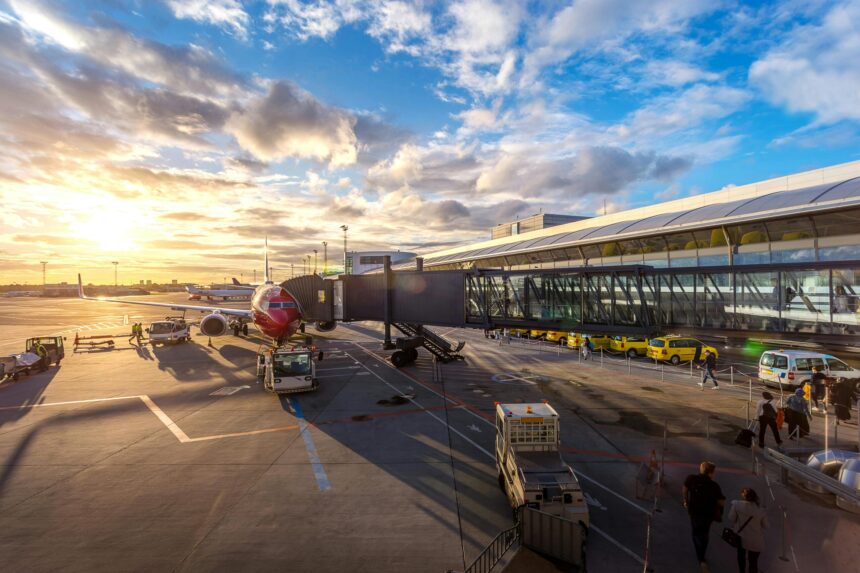
Nigerian aviation stakeholders have issued an urgent call for strategic investment and comprehensive policy reform to transform the country into Africa’s dominant regional aviation hub,.
They warn that the sector is significantly underperforming its true economic potential despite handling tens of millions of passengers annually.
The call was made at a recent industry roundtable in Lagos convened by the Aviation Safety Roundtable Initiative, where sector leaders presented both the case for reform and a detailed policy roadmap for achieving it.
The gathering brought together government representatives, airline executives, airport operators, regulators, and private sector investors.
Sector Performance
The current performance metrics position Nigeria firmly among Africa’s leading aviation markets. The metrics also reveal the extent of the missed opportunity.
Read Also: FAAN unveils revised service charter strengthening airport governance
The sector generates between 1.7 and 2.5 billion US dollars annually in economic activity and supports more than 216,000 jobs. Annual traffic exceeds 16 million domestic travellers and 3.5 million international passengers.
Air Commodore Ademola Onitiju, President of the Aviation Safety Roundtable Initiative, addressed delegates directly about the gap between current performance and true potential.
“These figures represent only a fraction of what Nigeria’s aviation sector can deliver with the right infrastructure and governance frameworks in place. We have the demand. We have the geography. What we require now is the deliberate policy commitment to match.”
Stakeholders argued that current figures represent only a fraction of what could be achieved with appropriate infrastructure and governance frameworks.
Concentration Problem
A structural imbalance in Nigeria’s aviation market is limiting national growth, and industry leaders are naming it directly.
Lagos, Abuja, and Port Harcourt together account for more than seventy per cent of the sector’s economic contribution. Secondary destinations struggle to attract direct services, limiting their visibility and accessibility to potential visitors.
Air Commodore Onitiju was clear on the consequences.
“When over seventy per cent of our aviation economy is concentrated in three cities, we are not building a national aviation sector we are building three city-based ones. A genuinely distributed network is what unlocks the country’s full tourism and trade potential.”
Priority
At the heart of Nigeria’s regional aviation hub ambitions is a single infrastructure project that industry leaders describe as non-negotiable.
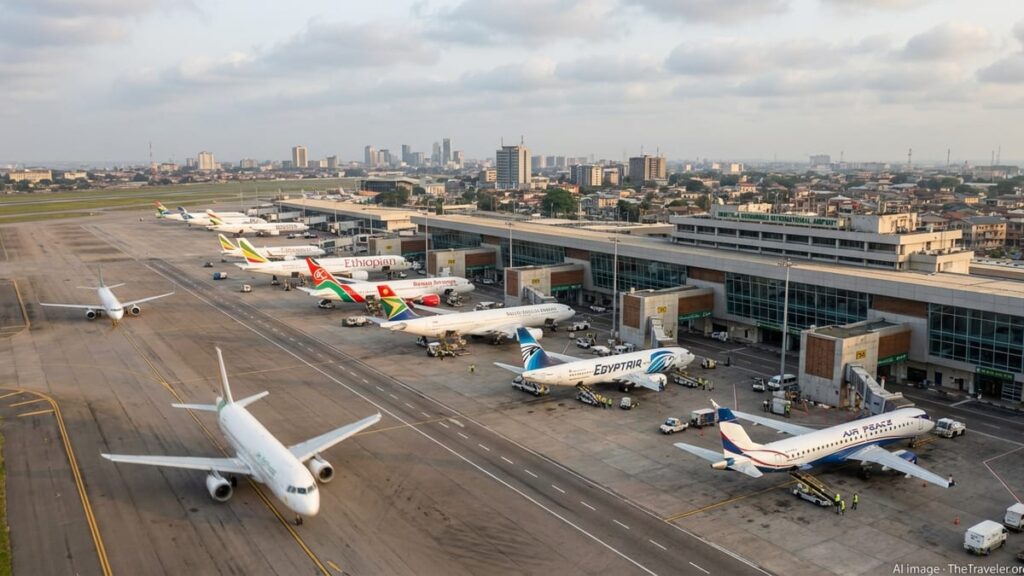
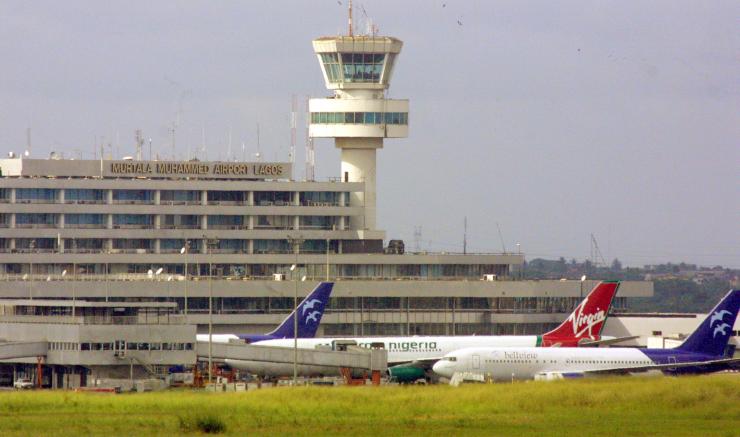
Industry advocates are pushing to ensure the planned refurbishment of Murtala Muhammed International Airport delivers a modern, globally competitive facility capable of handling up to 30 million passengers annually and connecting Nigeria to over 100 destinations worldwide.
“The Lagos airport upgrade is not just an infrastructure project,” one roundtable delegate stated. “It is a statement of intent. A world-class Lagos hub changes Nigeria’s entire position in African and global aviation.”
At current capacity levels, Nigeria cannot compete with established hubs in East Africa or the Gulf. The Murtala Muhammed upgrade is the instrument that closes that gap.
Investment, Governance
The roundtable identified a focused reform agenda. Delivering it requires political will at the highest level.
Priorities include substantial investment in infrastructure and technology, strengthening of regulatory institutions, and improved governance across the sector foundational elements that must be addressed before Nigeria can compete with established hubs elsewhere on the continent and in the Gulf region.
On private sector participation, Air Commodore Onitiju was direct.
“Government resources alone cannot deliver the transformation we are describing. We need reduced taxes and tariffs, business-friendly regulations, and expanded public-private partnerships. The private sector is ready to invest. The policy environment must be ready to receive that investment.
Open Skies
Two additional priorities shaped the policy conversation and are likely to feature in formal industry submissions to government.
Support for open skies policies reflected the understanding that increased competition typically benefits consumers through lower fares and improved connectivity, dramatically expanding the range of source markets accessible to Nigerian destinations.
On sustainability, Air Commodore Onitiju noted the commercial imperative.
“International carriers are increasingly making routing decisions based on the environmental credentials of the airports and markets they serve. Destinations that embrace green aviation practices will gain competitive advantages. “Nigeria must not lag behind in this regard.”