Fresh anti-immigrant protests have erupted in South Africa, with Nigerians and other foreign nationals increasingly becoming targets of public anger, highlighting deep-rooted tensions tied to unemployment, crime, and economic hardship.
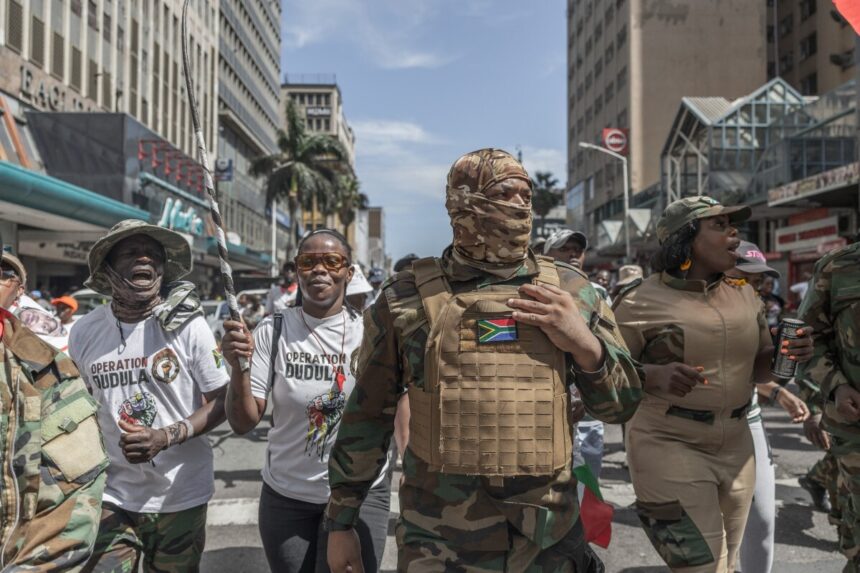
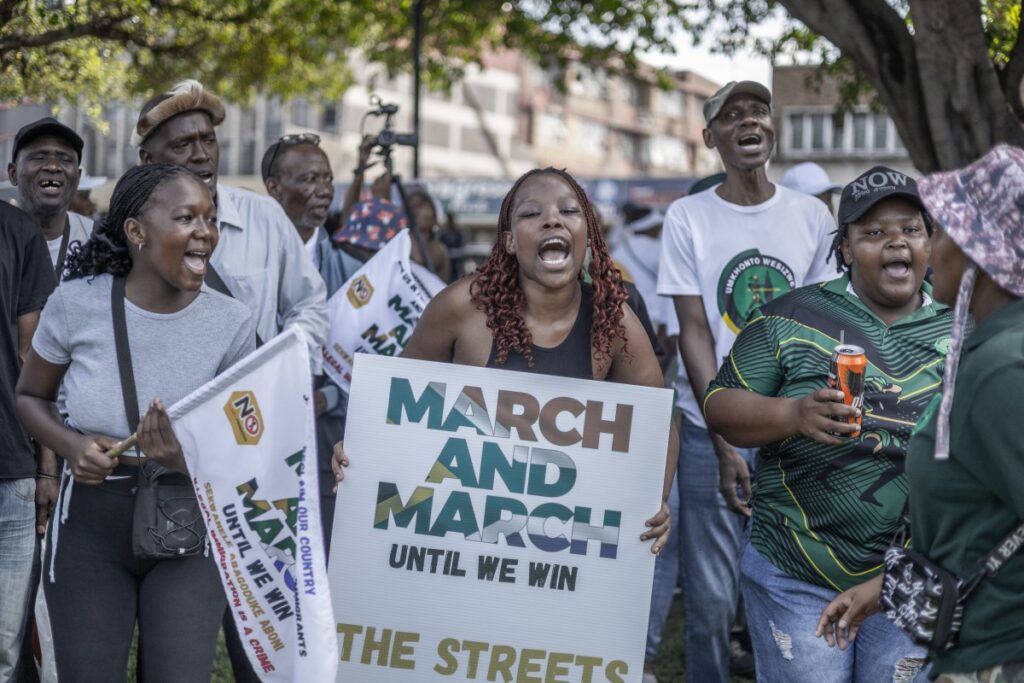
In the coastal city of Durban, hundreds of demonstrators took to the streets demanding stricter immigration policies and the deportation of undocumented foreigners.
Protesters, including members of political groups and vigilante movements, accused migrants of taking jobs and contributing to rising crime levels.
South African police responded with force, firing teargas and rubber bullets to disperse crowds as tensions escalated.
Businesses reportedly shut down in anticipation of violence, and authorities recorded some incidents of looting and harassment.
Grievances
The protests were fuelled by widespread frustration over unemployment, which remains one of the country’s most pressing challenges. Demonstrators argued that undocumented migrants are placing additional strain on already limited resources.
“We are seeing our government allowing our country to be flooded… this is unacceptable,” said political leader Herman Mashaba during the protest.
Another protester, Thembi Dlamini, voiced similar concerns, stating, “Jobs are being taken away… Where will our children get jobs?”
Organizers of the protests also called for stricter border control and tougher immigration enforcement.
Some leaders questioned why undocumented migrants should have access to public services, arguing that they should pay for such benefits themselves.
These sentiments reflect a broader pattern of xenophobia in South Africa, where foreign nationals, particularly from other African countries, have periodically faced hostility.
Analysts link this trend to economic inequality, high unemployment, and perceptions that migrants compete with locals for scarce opportunities.
No evidence
Despite the accusations, experts note that there is limited evidence to support claims that immigrants are responsible for higher crime rates.
Instead, migrants are often victims of violence during such unrest.
The latest protests have raised concerns among Nigerian authorities and diaspora groups, who have urged citizens to remain cautious and avoid protest areas.
The situation also comes against the backdrop of global conversations on human rights and historical injustices.
The United Nations recently described the transatlantic slave trade as one of the gravest crimes against humanity, reinforcing the need for tolerance and protection of vulnerable populations worldwide.
As tensions continue, observers warn that without addressing underlying economic challenges and misinformation, anti-immigrant sentiment could persist or even worsen.
For now, the unrest in South Africa serves as a stark reminder of the fragile balance between economic pressure and social cohesion in one of Africa’s most developed nations.