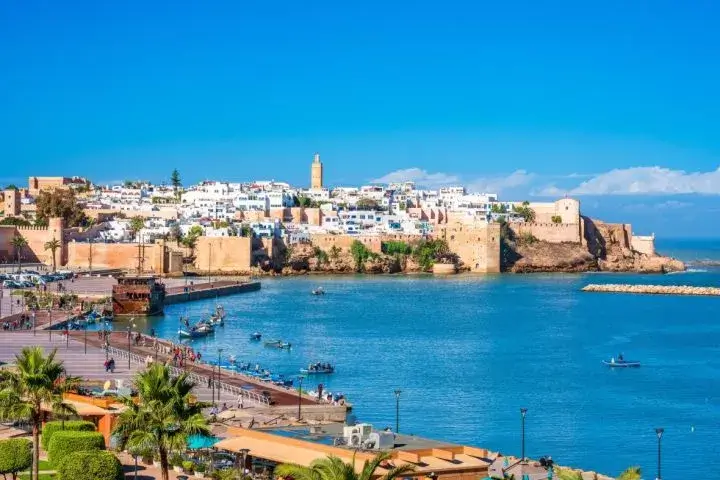
Morocco has retained its position as the continent’s top tourism destination.
This comes after the North African country posted a 7% increase in international arrivals in the first quarter of 2026, according to official figures.
It welcomed approximately 4.3 million visitors between January and March, a strong start to the year that underscores its resilience amid shifting global travel trends.
Despite economic headwinds and regional uncertainties affecting global tourism flows, Morocco’s tourism sector has shown remarkable momentum.
Tourist numbers surged 18% in March alone, driven by expanded air connectivity and a broader mix of source markets, the tourism ministry reported.
READ ALSO: 1.2 Million tourists net $2 Billion for Ethiopia’s economy
Tourism Revenue
The growth in visitor numbers is translating into significant economic impact. Tourism revenue reached 21.4 billion Moroccan dirhams (about $2.3 billion) by the end of February, a 22.2% increase year-on-year, underscoring the sector’s contribution to the national economy.
Tourism now accounts for roughly 8% of Morocco’s $178 billion economy, a testament to its role as a major foreign exchange earner and employment driver.
“Morocco’s tourism performance in early 2026 highlights the strength of our destination strategy and the confidence travellers have in our offerings,” said a senior official from the Ministry of Tourism, noting the importance of diversified markets and enhanced travel options.
Big Ambitions
Morocco’s performance builds on an already strong track record. In 2025, the country recorded 19.8 million international arrivals, maintaining its position as Africa’s most visited destination.
That figure represented a 14% increase compared with the previous year, according to tourism data.
Morocco outpaced other leading African markets such as Egypt, which saw 19 million visitors in the same period.
The kingdom’s success is rooted in a combination of strategic investments and unique attractions.
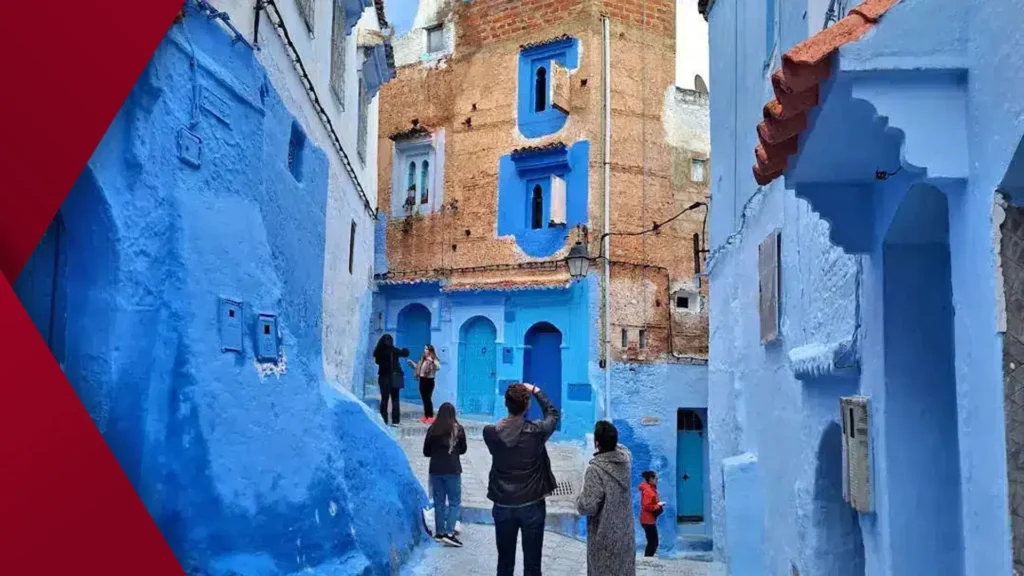
From the bustling medinas of Marrakesh and Fes to the dramatic dunes of the Sahara and the Atlantic beaches of Agadir, Morocco offers a broad spectrum of experiences that appeal to cultural, adventure, and leisure travellers alike.
Expanded flight networks have played a key role, with improved connectivity from European hubs and beyond.
The growth in low-cost and long-haul services has made Morocco more accessible to a wider range of travellers, while investments in accommodation and entertainment have boosted capacity and visitor satisfaction.
Future
Morocco’s tourism authorities have set ambitious targets for the future.
The government aims to attract 26 million annual visitors by 2030, a goal aligned with the country’s role as a co-host of the FIFA World Cup alongside Spain and Portugal.
Achieving that target will require sustained investment in infrastructure, marketing, and visitor experience, especially as competition intensifies across Africa and the broader Mediterranean region.
Experts say Morocco’s early-year performance is a positive signal for the tourism sector’s long-term trajectory.
“The resilience and growth we’re seeing reflect not just pent-up demand, but strategic positioning in global travel markets,” said a tourism economist familiar with North African trends.
As global tourism continues to rebound and evolve, Morocco’s blend of heritage, accessibility, and diversified offerings positions it well to maintain its leadership role in Africa’s travel landscape.