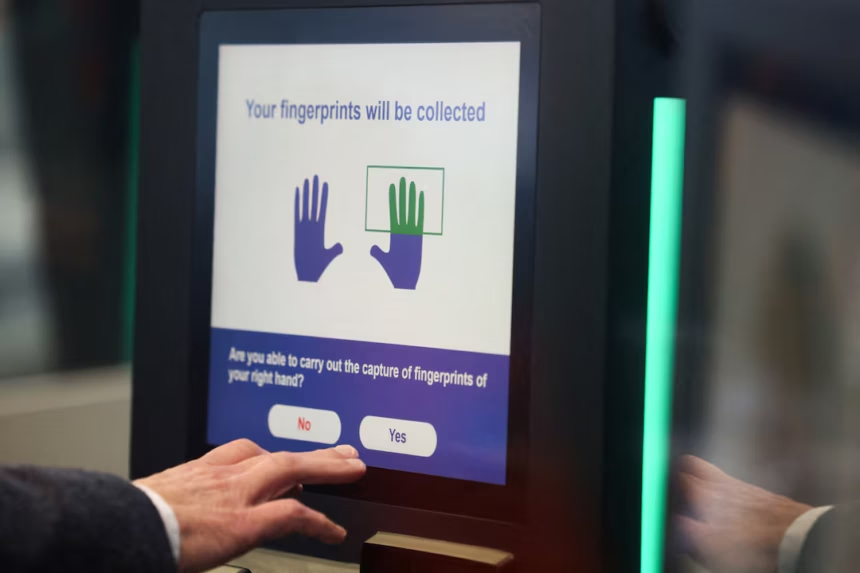
British travellers heading into Europe this Easter will face new border checks.
The UK Home Office says they will face a new layer of border through the European Union’s Entry/Exit System (EES).
This replaces passport stamping with biometric tracking.
The system, set for full implementation on April 10, marks one of the most significant changes to European border control in decades.
READ ALSO: 5 Eco-Friendly West African Beach Resorts this Easter season
It will directly affect millions of non-EU travellers, including those from the United Kingdom.
“These border checks create a digital record of when non‑EU residents travel to the Schengen area for a short stay (up to 90 days in a rolling 180‑day period) and when they leave. It has been introduced to strengthen border security and detect overstayers,,” the Home Office said in a statement.
“EES is operational in 29 European countries all EU member states except Ireland and Cyprus, plus Iceland, Liechtenstein, Norway and Switzerland.
“It means that each time a non‑EU resident enters or exits the Schengen area, their biometrics and passport details will be digitally recorded.”
Timing
With Easter marking one of the busiest travel periods in Europe, authorities are warning that the new system could slow down passenger processing at least in its early days.
Airports, ferry ports, and rail terminals are expected to face longer queues as travellers go through biometric registration for the first time. Industry groups have already flagged potential delays, especially at high-traffic hubs.
Some early rollouts have shown the scale of the challenge.
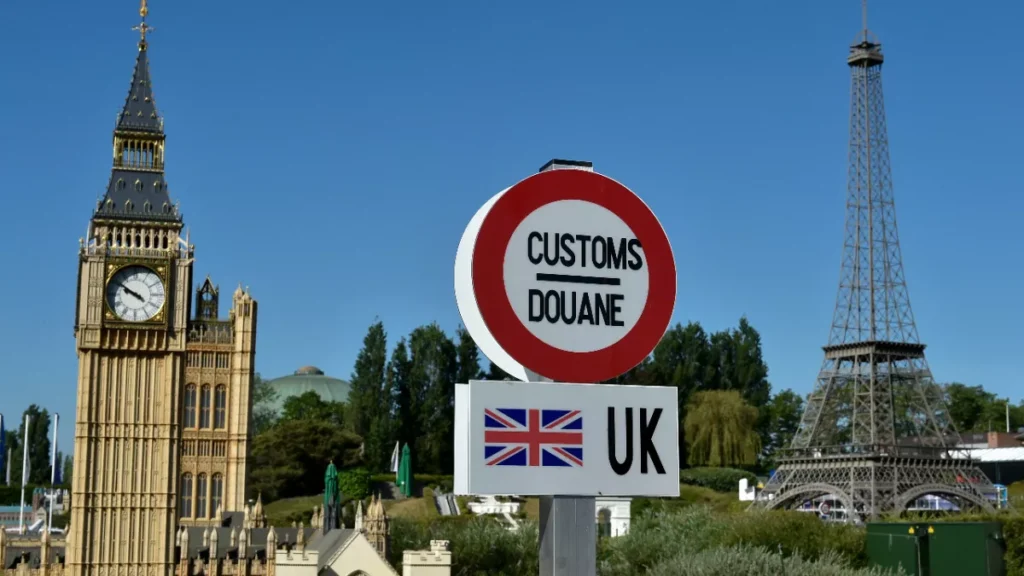
Travellers in parts of Europe have reported long waiting times, with processing taking significantly longer than traditional passport checks.
In response, UK authorities are advising travellers to allow extra time and prepare for additional checks at departure points.
Minister for Border Security and Asylum, Alex Norris, said the EU’s Entry/Exit System will be a significant change for Brits travelling this Easter.
“Always check with your transport operator in case extra time may be needed, both for your return to the UK and travelling to the EU.
“We continue to engage with the European Commission on taking steps to help minimise disruption for Brits as much as possible.
“The government has also provided more than £10 million for Eurostar, Eurotunnel and the Port of Dover for those needing checks before departure.”
Digital Borders
The introduction of EES reflects a broader global trend: borders are going digital.
By replacing manual passport stamps with biometric databases, the EU is aligning with similar systems already in use in countries like the United States and Australia.
The move is designed to speed up processing in the long term, even if the initial rollout creates friction.

Officials insist that travellers do not need to take any action in advance, and registration will be completed at the border, free of charge.
But the message from travel authorities is clear, this Easter, patience will be part of the journey.
The EES is only the first phase.
Later in 2026, the EU is expected to introduce the ETIAS travel authorisation system, which will require visa-exempt travellers, including Briton, to apply online before entering Europe.
Together, the two systems signal a new era of tighter, tech-driven border management across the continent.
For now, however, the immediate reality is simpler: longer queues, stricter checks, and a travel experience that is no longer as seamless as it once was.
Up‑to‑date information is available on GOV.UK and the Foreign, Commonwealth & Development’s Office Travel Aware pages.