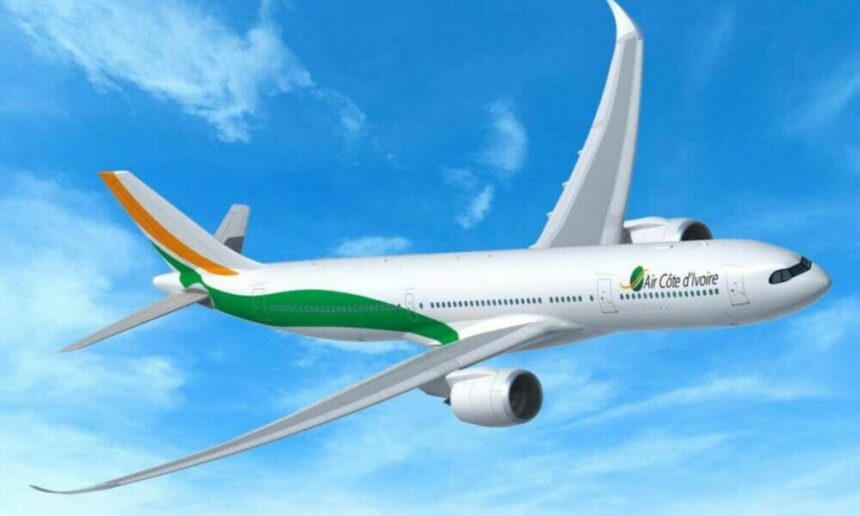
Cote d Ivoire is not just signing aviation deals.
It is executing a calculated strategy to dominate regional air traffic and plug itself into global trade routes.
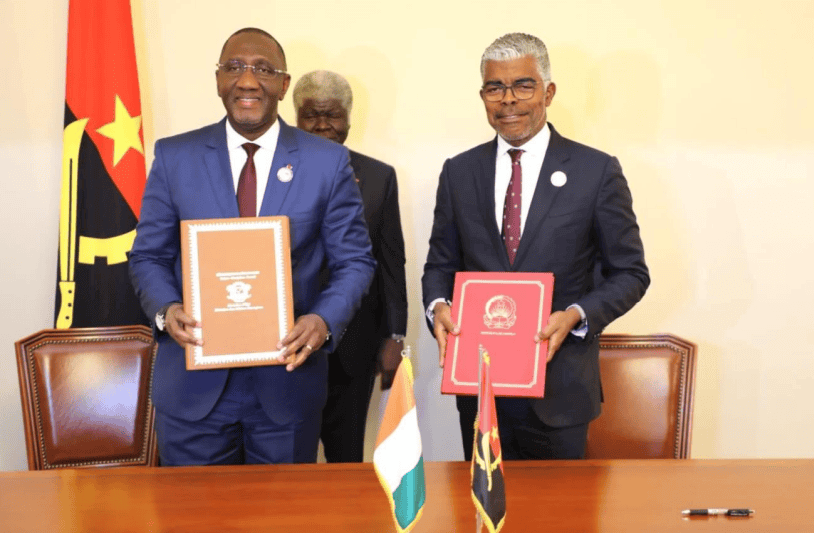
The government’s decision to ratify new bilateral air service agreements with Angola, Brazil, and Oman is about one thing positioning Abidjan as a serious international aviation hub.
According to details reported by , the move is designed to expand connectivity, unlock new markets, and strengthen the country’s global aviation footprint.
READ ALSO: Angola Opens First Regional Tourism Forum.
Global Air Network
This is not a small regional upgrade.
By targeting:
- Brazil (Latin America)
- Angola (Southern Africa)
- Oman (Middle East and Asia gateway)
Cote d Ivoire is stretching its reach across three major global corridors.
Analysts say this is a deliberate pivot from regional relevance to global positioning.
Recent parliamentary approval of these agreements reflects a broader ambition to connect Abidjan to multiple continents and expand its aviation influence beyond West Africa.
The Hub Strategy Abidjan Wants to Win the Skies
At the centre of this strategy is Abidjan’s main airport, which the government wants to transform into a major transit hub.
A senior official captured the vision clearly:
These agreements represent a decisive step toward making Abidjan a global hub.”
That line says everything.
The idea is simple build routes, attract airlines, increase passenger flow, and let geography do the rest.
Why These Countries Matter
Each agreement is strategic, not random:
- Brazil opens access to a massive Latin American market and strengthens transatlantic trade
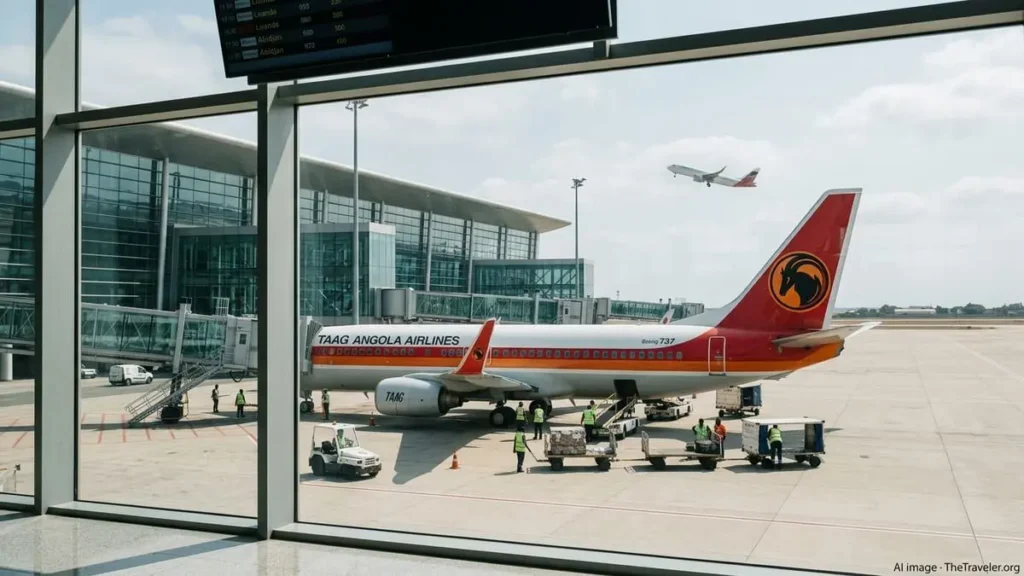
- Angola deepens intra-African connectivity and links West to Southern Africa
- Oman creates a corridor into the Gulf, Asia, and beyond
This creates a triangle of movement people, goods, and capital flowing through Abidjan.
Investment, Trade, Tourism
This is where aviation meets economics.
Stronger air links mean:
- Faster business travel
- Increased cargo movement
- More tourism inflows
- Higher foreign direct investment
Improved connectivity is widely seen as a driver of trade and economic integration across Africa, especially when linked to continental frameworks and infrastructure expansion.
In short more flights equals more money moving.
Competition
Make no mistake this is also competitive.
West Africa is quietly becoming a battleground for aviation hubs, with countries racing to attract airlines and transit traffic.

By expanding bilateral agreements and liberalising air access, Cote d Ivoire is trying to get ahead of the curve.
It is the same playbook used by global hubs build connectivity first, and the rest follows.
Implications
For travelers, especially across Africa and the diaspora, this could mean:
- More direct routes
- Reduced travel time
- Increased airline competition
- Potentially lower fares
For businesses, it improves logistics and opens faster access to new markets.
Cote d Ivoire is thinking bigger than borders.
These air agreements are not just about flights they are about influence, access, and economic positioning.
Because in aviation, the countries that control the routes often control the opportunities.