The government of Senegal has imposed a sweeping ban on non-essential foreign travel by ministers and senior officials, as the economic fallout from the escalating Middle East conflict continues to strain public finances.
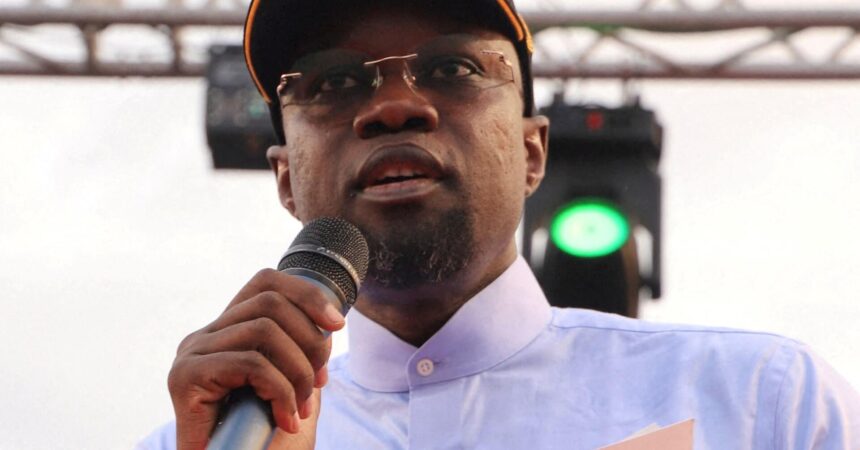
The decision, announced by Prime Minister Ousmane Sonko, reflects growing pressure on African economies grappling with surging global oil prices triggered by the war involving the United States, Israel, and Iran.
Addressing a public gathering, Sonko made it clear that austerity measures were no longer optional.
“No minister in my government will leave the country unless it is for an essential mission,” he said, adding that he had already cancelled official trips to Niger, Spain, and France.
The move comes as global oil prices spike sharply following disruptions linked to the war, including tensions around the strategic Strait of Hormuz, a critical artery for global energy supply.
Brent crude has surged to about $115 per barrel, nearly double the $62 benchmark used in Senegal’s national budget projections.
That gap is a fiscal shock.
Read Also: Nigeria Activates Evacuation Plan for Middle East Crisis
Cause
The economic pain is hitting Africa disproportionately, and the reason is simple: dependency.
Like many countries across the continent, Senegal relies heavily on imported petroleum products. That leaves its economy highly exposed when global supply chains are disrupted.
The ongoing conflict has rattled energy markets worldwide, forcing governments to respond with emergency measures, including fuel price increases, subsidies, and spending cuts.
For ordinary citizens, the impact is already visible.
Rising fuel costs are pushing up transport fares, food prices, and the overall cost of living. Households across Africa are experiencing financial strain, with some struggling to meet their basic daily needs.
The margin for error is narrow in Senegal, a nation already struggling with debt.
Consequences
The situation underscores a harsh reality: conflicts thousands of kilometres away can hit African economies almost instantly.
From Dakar to Nairobi, governments are now recalibrating budgets, delaying projects, and cutting spending all in response to a war unfolding far beyond their borders.
For Senegal, the travel ban is more than a symbolic gesture.
It’s a signal that the country is entering a phase of economic caution, where every dollar spent abroad must be justified.
And unless global oil markets stabilise, more African nations could follow the same path—tightening spending, limiting travel, and bracing for a prolonged period of financial strain.