
Across the global economy, diaspora populations are no longer just communities abroad.
They are financial arteries, cultural ambassadors, and increasingly, tourism drivers.
In this regard, some countries sit at the centre of this movement.
Together, they shape billions in remittances, influence travel patterns, and quietly redesign global tourism routes.
According to World Bank migration data, remittances to low and middle-income countries reached about $905 billion in 2024, underscoring the scale of diaspora-driven capital flows.
But money is only part of the story.
Movement is the real currency.
Here are six countries that make the cut and stand-out.
READ ALSO: Nigeria Targets Diaspora Investment With Global Summit in Toronto
1. India (35-40 million): The Global Benchmark for Diaspora Economic Power

India holds the world’s largest diaspora, estimated at 35–40 million people.
Major host countries:
United States, UAE, United Kingdom, Saudi Arabia, Canada, Australia, Malaysia, South Africa.
A large share of Indian migrants are in Gulf labour markets, while North America and Europe host professionals, students, and entrepreneurs.
India remains the world’s largest recipient of remittances, estimated at over $129–135 billion annually in recent years.
With more than 30 million people of Indian origin abroad, the country has perfected “return-driven tourism”, a cycle where diaspora populations regularly travel back for weddings, festivals, and religious pilgrimages.
As the World Bank notes:
“India has consistently been the top recipient of remittances globally, reflecting both the size and economic integration of its diaspora communities.”
2. Mexico (12–14 Million ) Diaspora: The US-Centric Migration Economy
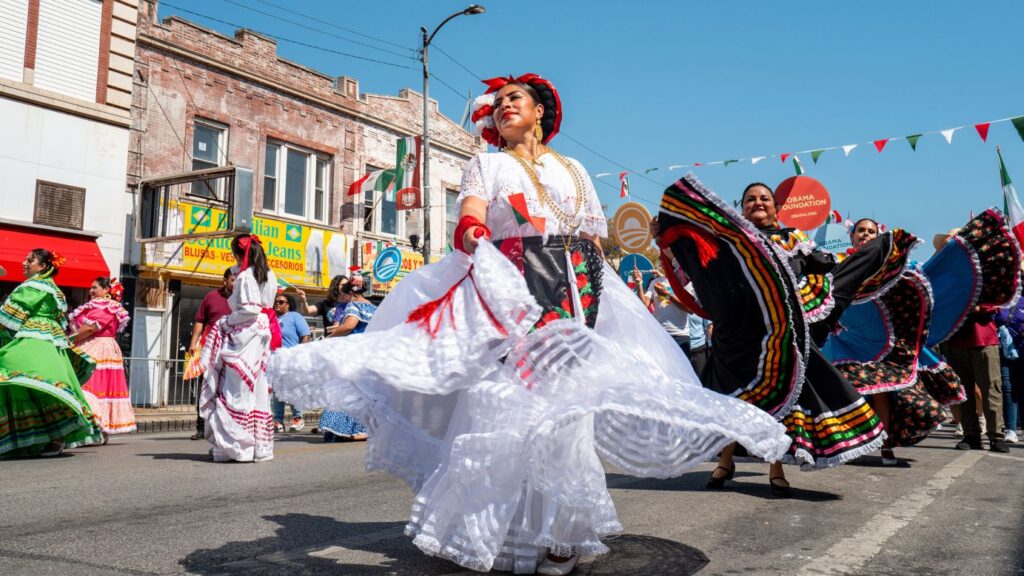
Mexico’s diaspora is deeply embedded in the United States, creating one of the most fluid migration-tourism corridors in the world.
With annual remittances of around $60–68 billion, Mexico ranks among the top global recipients.
This creates a “binational lifestyle economy” where family travel, seasonal visits, and tourism operate seamlessly across borders.
3. China (10–50 Million ) Diaspora: Global Trade and Education Network

China’s diaspora contributes about $48 billion annually in remittances.
Unlike leisure-driven tourism models, Chinese diaspora travel is closely tied to business, education, and investment, making tourism a secondary but strategic extension of global commerce.
4. Philippines (10–12 Million) Diaspora: Institutionalised Labour Migration System
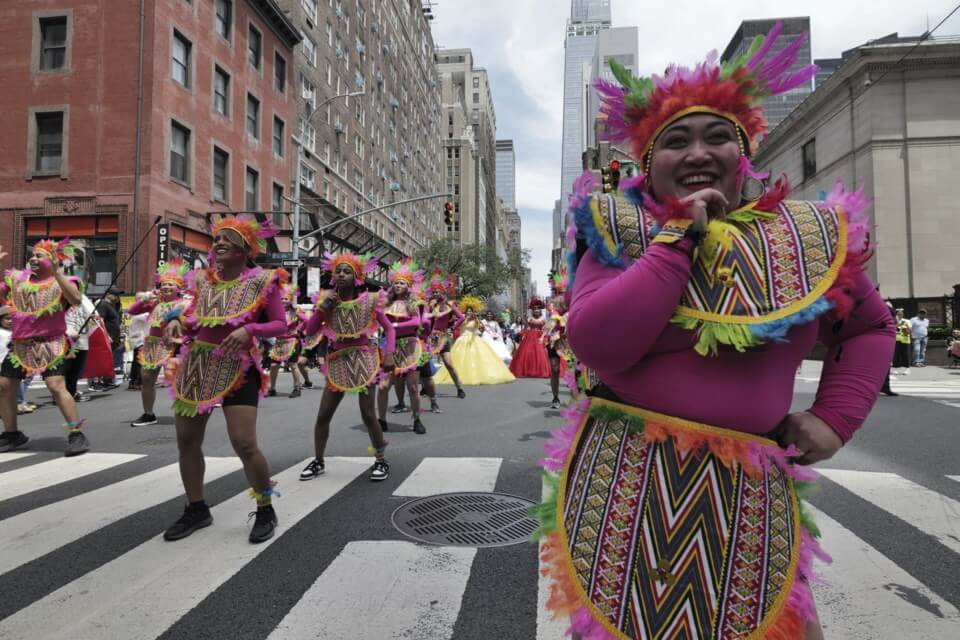
The Philippines records about $40 billion in annual remittances, driven largely by overseas workers.
Its unique “balikbayan” system encourages regular return visits, turning tourism into a structured emotional and economic cycle across provinces and islands.
5. Pakistan (9–10 Million) Diaspora: Gulf-Driven Labour Migration

Pakistan’s diaspora sends home roughly $30–33 billion annually.
Travel peaks during Eid, weddings, and summer holidays, creating predictable tourism surges in major cities like Lahore and Karachi.
6. Nigeria (17 million) Diaspora: Africa’s Cultural Return Economy
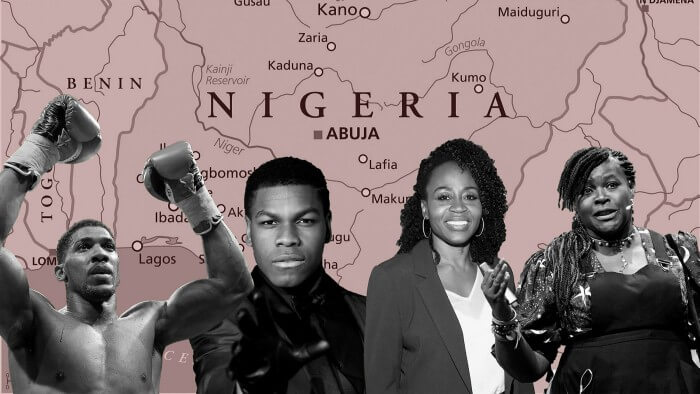
Nigeria is Africa’s largest diaspora economy, with over 17 million citizens abroad and remittances estimated at $20–25 billion annually in recent years.
“Remittances from Nigerians abroad remain a critical source of foreign exchange and household income support,” the Central Bank of Nigeria has stated in policy reports.
But Nigeria’s influence goes beyond finance.
Diaspora travel fuels cultural tourism peaks during events like Felabration, Ojude Oba, and year-end festival seasons, turning Lagos into a global reunion hub.
Diaspora as Tourism Infrastructure
Across these six countries, diaspora communities function as invisible infrastructure for global tourism.

They send money home.
They return home.
And they reshape how tourism economies behave.
From India’s massive remittance flows to Nigeria’s cultural tourism surge, the diaspora economy is no longer secondary—it is structural.
And in a world where identity is travel’s biggest driver, one truth stands firm:
People are not just crossing borders.
They are circling back to themselves.