The ongoing conflict in the Middle East is sending shockwaves far beyond the battlefield, with travel and tourism now caught in a tightening economic squeeze that is being felt across Europe and beyond.
Nigerian-Dutch politician Sunny Ofehe has raised the alarm, warning that rising fuel costs, new taxes, and shrinking tourist numbers are reshaping global travel patterns in real time.
Speaking exclusively to Travel Radio in Abuja, Ofehe said the cost of land, air, and sea transportation in Netherlands and other major European destinations has “risen very sharply,” forcing travellers to pay significantly more for basic services.
Disruption
The crisis began on February 28, 2026, when the United States and Israel launched coordinated strikes on Iran, triggering a wave of retaliatory attacks across key destinations including Saudi Arabia, the UAE, Qatar, and Oman.
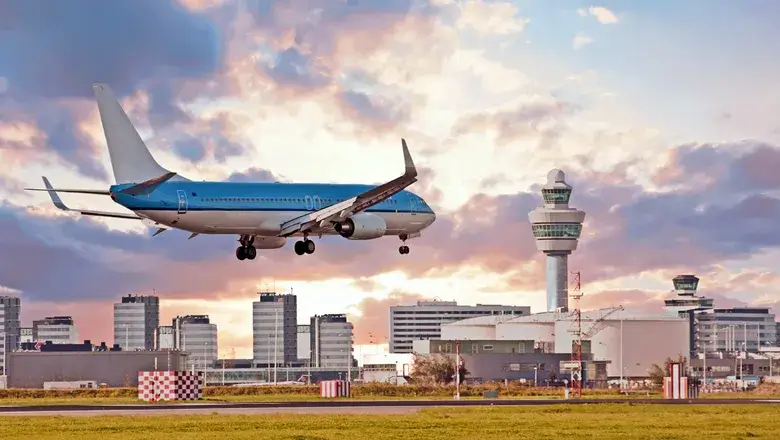
The fallout was immediate. Airports shut down. Flights were cancelled. Tourists were stranded in hotels as missiles and drones disrupted movement across the region.
READ ALSO: Dubai International airport suspends all flights after drone strike
What initially appeared to be a regional crisis quickly evolved into a global travel disruption.
Pressure
According to Ofehe, the ripple effects are now clearly visible across Europe’s tourism ecosystem.
“I have a passion for tourism. I can tell you for a fact that in most of the places and tourism sites that I visit, the population has diminished in all countries. I’ve been in the United States, I’ve been in several countries in Europe and back here in Africa. It has diminished; at airports, travel is reducing because the cost of fuel has gone up.”
Beyond declining passenger numbers, the cost structure of travel itself is changing fast.
Ofehe pointed to a surge in ticket prices, hotel rates, and government-imposed travel charges particularly in the Netherlands.
“They’ve been coming up with all sorts of environmental taxes, congestion taxes, and all that on travels, which have also affected us.
“So there is no way we all can say that we’ve been exempted from the negative impact and the high cost of living that we all are feeling now. No matter where you are in the world, you’re feeling the impact of this.”
Data
Market checks across Europe between late February and early April 2026 reveal a clear pattern: volatility.
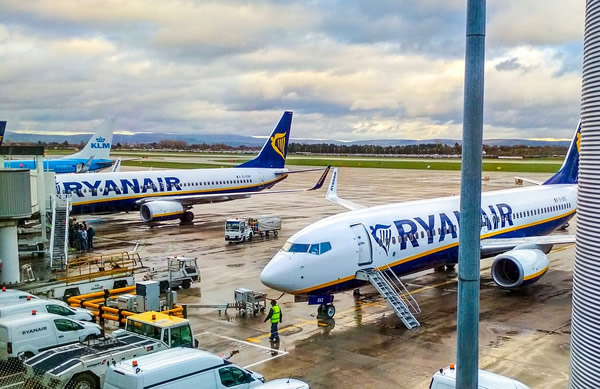
Short-haul flights across the UK, France, Germany, Belgium, and the Netherlands started at around €40 but surged to between €200 and €350 as fuel costs climbed and Easter demand peaked. Late bookings became significantly more expensive, pricing out budget travellers.
Rail transport, however, told a different story.
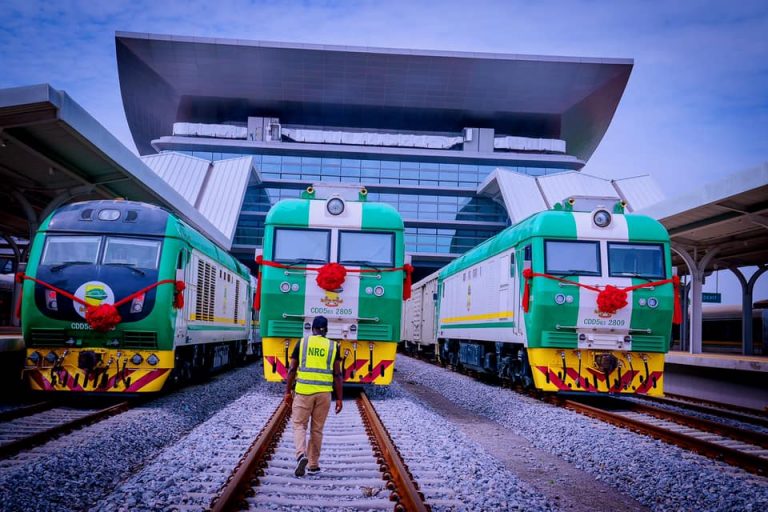
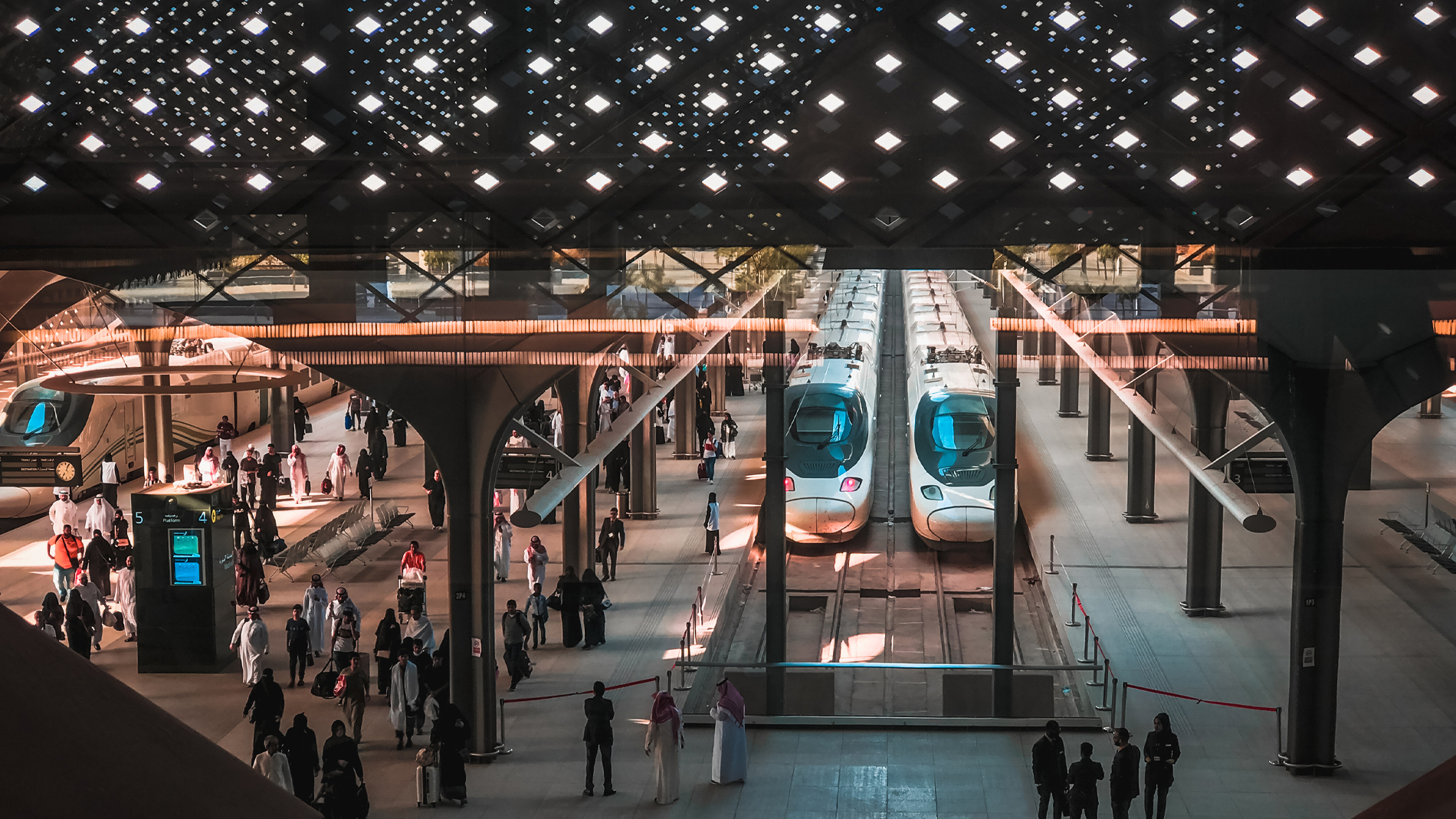
Train fares remained relatively stable, ranging from €20 to €120 across major routes linking Western Europe. High-speed and sleeper services offered travellers a more predictable and often cheaper alternative, especially as aviation costs spiked.
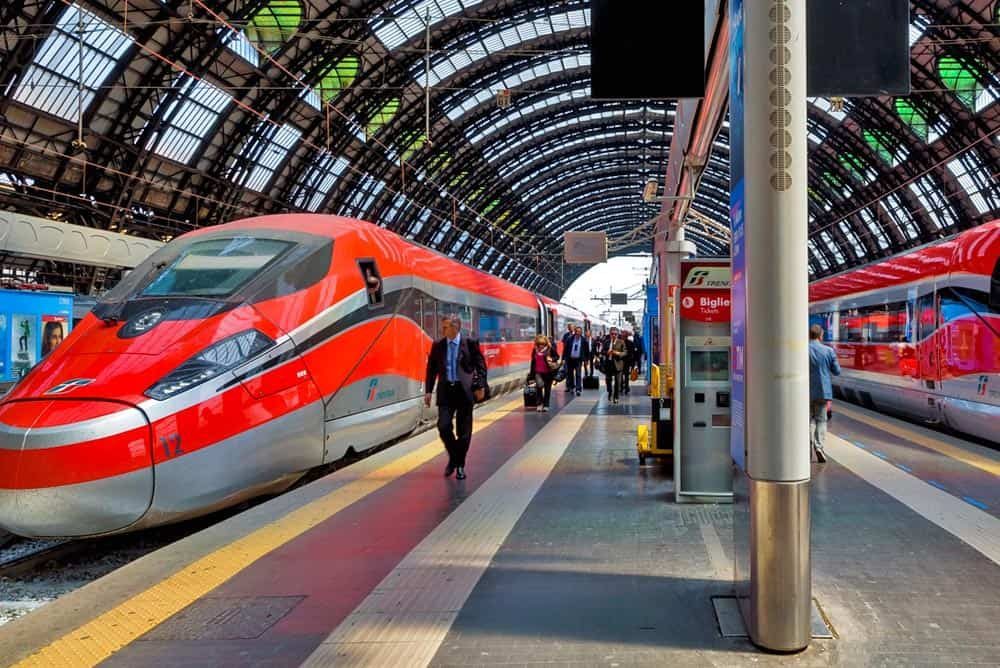
Meanwhile, cruise travel maintained a different pricing rhythm altogether. European cruise packages—typically booked months in advance—remained steady, averaging £500 to £2,000 for 7 to 14-night itineraries. While insulated from sudden price hikes, the higher upfront cost meant cruises continued to attract a more premium market segment.
The result is a clear divide: rail for affordability and flexibility, air travel for urgency at a higher cost, and cruises for long-stay, all-inclusive experiences.
Call for peace
For Ofehe, the solution is straightforward, even if the politics are not.
“There is no option but peace. As someone that played a key role in bringing an end to the militancy in the Niger Delta region, dialogue remains the best option. Whatever the disagreements, all sides must talk. We need peace now.”
His message cuts through the economic data and industry analysis with clarity: until the conflict is resolved, instability will remain the defining feature of global travel.
And for millions of travellers planning holidays, business trips, or family reunions, the cost of war is no longer distant, it is already built into every ticket, every booking, and every journey.