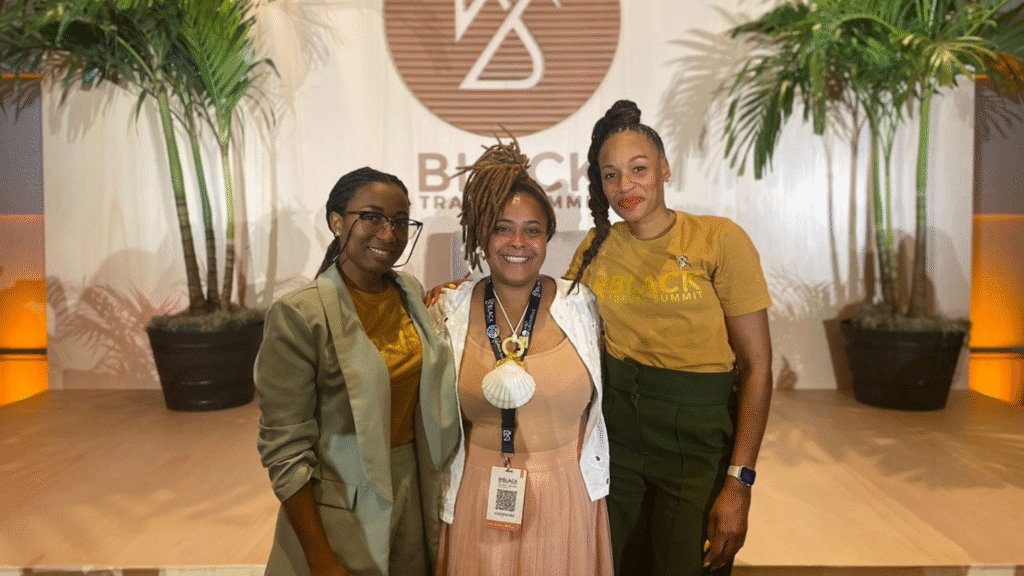
RIO DE JANEIRO, BRAZIL — In a landmark moment for global travel culture, the Black Travel Summit arrived in Rio de Janeiro for the first time, drawing hundreds of Black travelers, creators, entrepreneurs, and tourism leaders to Brazil’s most iconic city. Held over the last two weeks, the conference marked the first time the event—organized by the Black Travel Alliance—stepped outside the United States, redefining how Brazil’s Afro-descendant heritage is experienced and shared on the world stage.
Exploring Black Brazil Beyond the Beaches
While Rio’s famous Copacabana shoreline and Sugarloaf Mountain remained stunning backdrops, attendees set their sights on deeper cultural terrain. Organized tours guided visitors into the heart of “Little Africa,” a historic district whose port, Cais do Valongo, received more enslaved Africans than any other port during the Transatlantic Slave Trade.
Another cohort dove into the city’s culinary legacy through a curated tour of Black-owned restaurants, celebrating traditional flavors shaped by Afro-Brazilian influence. A third group journeyed to Cafundá Astrogilda, a living quilombo—one of Brazil’s historic communities founded by formerly enslaved people. Home to roughly 100 families, the village offers guided experiences, homemade meals, and cultural workshops designed so that tourism dollars stay within the community.
As American travel creator Ronnell Perry shared, the authenticity was unmistakable:
“They weren’t performing for us. Whatever money we were paying was going directly to the families.”
It was tourism with real cultural and economic impact.
Who’s Driving the Movement?
The Summit’s momentum aligned strongly with Brazil’s national tourism strategy. Embratur, Brazil’s federal tourism agency, has embraced Afrotourism as a major pillar of its identity. Leading the effort is Tânia Neres, Embratur’s Coordinator of Diversity, Afrotourism, and Indigenous Peoples. She champions Afrotourism as “tourism with a cause,” using travel to elevate Black narratives, redistribute tourism income, and build anti-racist public policy.
Brazil—home to the largest Afro-descendant population outside Africa, with 55.5% of residents identifying as Black or mixed-race—has long infused Afro-Brazilian heritage into its music, religion, food, and festivals. Now, the country’s tourism sector is finally positioning that heritage at the front of its global marketing.
Why Afrotourism Matters Now
Beyond celebration, the push for Afrotourism carries deep economic significance. The global Black travel market continues to surge, and Neres has become what colleagues jokingly call a “Black Tinder”—connecting Black-led travel operators with international buyers and investors.
Embratur has invested in training diplomats, reshaping campaigns, and channeling resources toward Black women, Indigenous women, and trans women to ensure tourism revenue reaches historically marginalized communities. Their target: capturing $5–$10 billion in Black traveler spending and supporting the country’s rising annual visitor numbers, which could soon climb from 6 million to 9 million.
The message is clear: Afrotourism is not a niche. It’s a national economic engine.
When the Work Began—and Where It’s Headed
Before Afrotourism became a global talking point, Black Brazilian trailblazers such as Thais Rosa Pinheiros, founder of Conectando Territórios, were already building the foundation. Since 2013, Pinheiros has led immersive tours through quilombo communities, helping Brazil’s Ministry of Tourism map more than 43 official Afrotourism experiences, with new ones continually emerging.
Both Pinheiros and Neres were honored at this year’s Black Travel Summit for shaping the movement. Their shared vision is ambitious: making Afrotourism a permanent, protected public policy—one that endures beyond election cycles and ensures Black communities remain central to Brazil’s cultural narrative and tourism economy.
A Global Invitation from Black Brazil
Afrotourism in Brazil is more than a travel trend—it is a movement grounded in cultural preservation, economic empowerment, and historical remembrance. As Rio’s inaugural hosting of the Black Travel Summit demonstrated, the world is ready to engage with the depth of Black Brazilian heritage.
For travelers seeking meaningful, community-rooted experiences, Brazil is extending an open invitation—and this is one you’ll want to RSVP to.