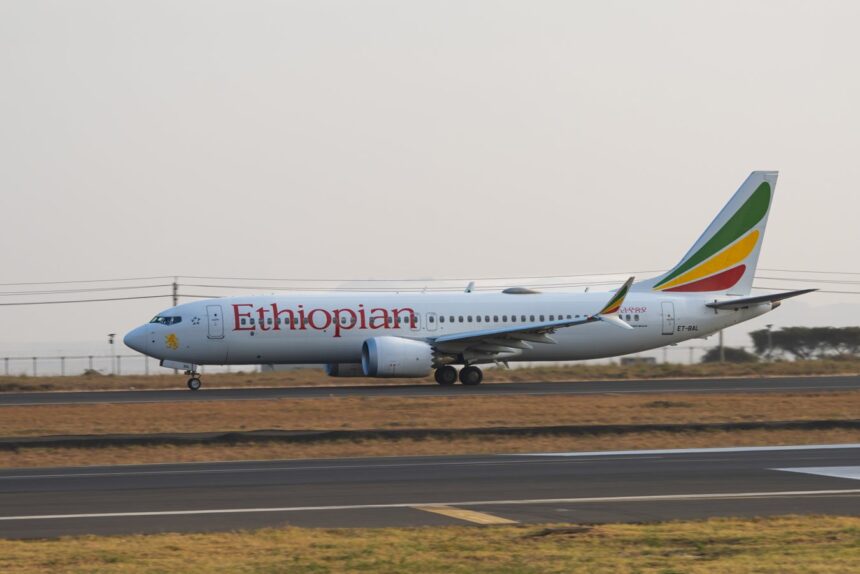
Ethiopian Airlines has rejected allegations that its billing practices unfairly burden Nigerian travel agencies, responding to claims that these agencies are losing significant revenue due to Airline Debit Memos (ADMs).
The dispute highlights growing tension between international carriers and Nigeria’s travel distribution partners in Africa’s largest aviation market, where travel agencies say annual losses from ADM charges now exceed one billion naira.
Speaking at the PartnerPlus Connect Live event in Lagos, Tola Alabi defended Ethiopian Airlines’ use of ADMs as legitimate enforcement tools rather than punitive “revenue traps“.
According to Alabi, ADMs are designed to protect the airline’s revenue and prevent abuse of booking systems, including Global Distribution Systems (GDS) that enable travel agencies to issue tickets and reservations.
She insisted ADMs are necessary to recover revenue lost through booking errors, fare rule violations, or system misuse.
READ ALSO: Ethiopian Airlines to Open Three New Domestic Airports and Expand National Air Connectivity
Heavy Losses
Industry sources confirm that travel agencies operating in Nigeria reported combined losses exceeding ₦1 billion during 2025 due to ADMs issued by foreign airlines, including Ethiopian Airlines.
These losses have sparked complaints from agencies struggling to stay profitable amid rising operational costs and thin margins.
Nigerian travel professionals argue that some ADM charges come late and are difficult to dispute, and the financial impact hits smaller agencies hardest. Many have called for clearer guidelines and better dispute processes to address growing concerns.
Fairness and Transparency
The National Association of Nigeria Travel Agencies (NANTA) has accused some foreign carriers of “weaponising punishment” with heavy ADM bills and has suggested industry complaints could be taken to the Federal Competition and Consumer Protection Commission (FCCPC) if the situation does not improve.
While airlines insist ADMs enforce correct booking practices and protect revenue, critics say the rising frequency and size of charges risk destabilising part of the aviation distribution network in Nigeria.
Operational Context
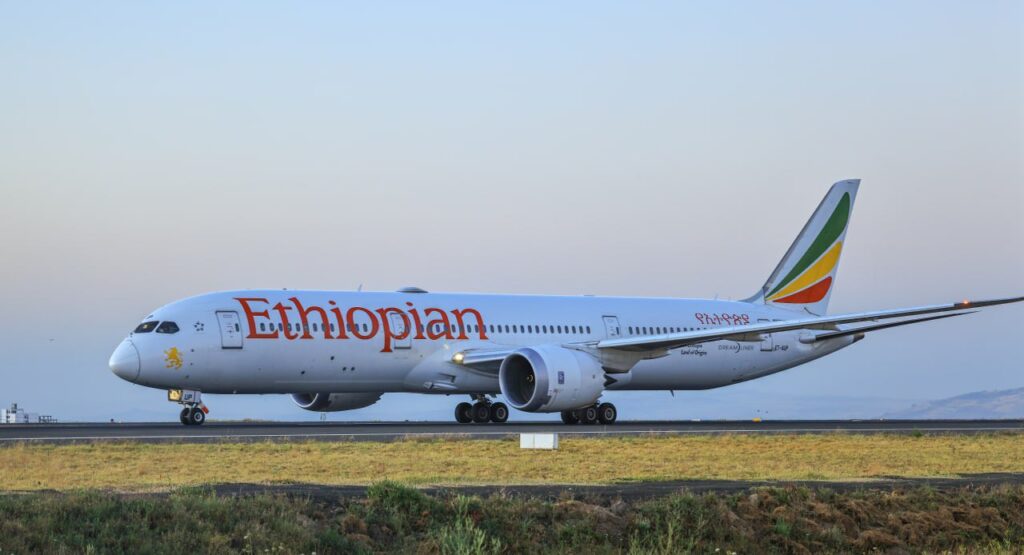
Ethiopian Airlines is Africa’s largest carrier by passengers carried and network size, with extensive operations linking Nigeria’s major gateways like Lagos and Abuja to its global hub in Addis Ababa. Its policies and billing systems, therefore, have a wide impact on travel agents handling bookings to destinations across the continent.
Outlook
As discussions continue between airlines and agency groups, travel industry stakeholders are calling for better transparency, standardised processes, and targeted training to reduce inadvertent booking errors that trigger ADM charges.
This comes as the broader Nigerian travel and aviation sector seeks sustainable growth and equitable partnerships with global carriers.