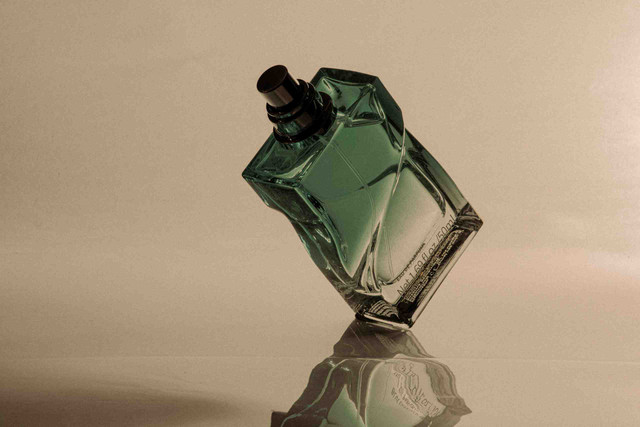
There were times I’ve met with people, and I’m like, can’t you perceive your body odour yourself and know whether you smell nice or you will be causing an irritating smell to others?
Essentially, smelling nice is not a debating option for travellers. How your passport is essential when you’re travelling is the same as smelling good. You don’t want to be exploring the streets of Nairobi or Seychelles with an unpleasant body odour.
But are all these fragrances doing you more harm or good? Some of them contain harmful chemicals that pose a risk to our health. This is what I’ll be discussing with you in this article. I’ll help you uncover the risks of using certain fragrances and alternative better options.
The Hidden Health Dangers in Scented Travel Products
Scented body products often contain substances that make them scents for a long time, act as preservatives, and obstruct sweat. These substances are disruptive to the body’s natural hormones.
Women are especially highly vulnerable to these risks. Because they often use cosmetic products. Men who use the products are not left out either. These substances also contain endocrine disruptors, leading to potential health risks in the long term. Further highlights from Medical Experts interviewed by Punch Health-Wise disclosed some risks associated with using these products.
Below are some of the perfume cancer risk and deodorants health risks you should know.
- Skin cancer
- Menstrual irregularities
- Infertility
- Early puberty
- Breast cancer
- Prostate cancer
- Thyroid dysfunction
- Diabetes

Image Source: Freepik
Studies carried out by Anne Steinemann revealed that about 12% and 7% of people were reported to experience migraines and asthma attacks after exposure to fragrance products.
These substances also have short-term effects, which are also listed below
- Respiratory distress
- Allergic reactions
- Migraine
- Headaches
- Skin irritations
- Seizures
Note: Start listening to TravelRadio.live to learn what happens in the travel world.
Chemicals to Watch Out For in Your Fragrance
Watch out for toxic ingredients in perfumes when you’re set to purchase fragrances on those market shelves. The majority of these producers often don’t disclose all their ingredients in their labelling under the guise of keeping their trade secret, which they generally term “fragrance” or “parfum”. An article from Men’s Health also buttresses this in an interview with a professor of biological sciences at North Carolina State University, Heather Patisaul, PhD. She said these words often represent a hundred chemicals.
What are the common harmful deodorant chemicals linked to body spray dangers?
Below are toxic fragrance ingredients to avoid.
- Parabens: They are used as preservatives, which are linked to breast cancer and fertility issues.
- Phthalates: They are endocrine disruptors that affect reproductive health.
- Acetaldehyde: They are classified as carcinogenic to humans, according to the National Toxicology Program.
- Aluminium compounds: They are harmful deodorant chemicals and are under investigation for cancer risks.
- Benzophenone: They cause different kinds of cancer.
- Triclosan: They are linked to thyroid disruption and antibiotic resistance.
- Benzyl Benzoate: They irritate the skin and the eyes.
Now, the question is, how do you avoid these chemicals? Check out the steps I highlighted below.
- Read labels closely. Terms like “fragrance” or “parfum” can hide multiple toxic chemicals.
- Check the ingredients list for specific names like the ones I highlighted above.
- Opt for products labelled “paraben-free”, “phthalate-free,” or “aluminum-free.”
Dr Mindy Pelz, a world-renowned women’s Health Expert, in an interview shared by Wallstreet Apes, said that phthalate is also found in air fresheners and Colognes, etc, which can destroy both male and female reproductive organs. Dr Mindy disclosed that now, there are apps where consumers can scan the products and find out how toxic they are.
Please pay attention to this
“There’s actually one chemical in particular that destroys the whole reproductive system for both men and women, and it's called a phthalates. Phthalates are in all the fragrances. They're in our colognes, our perfumes, our plugins, air freshener in… pic.twitter.com/fuIwqvfRT5
— Wall Street Apes (@WallStreetApes) December 31, 2024An image showing a representation of paraben-free labeling on a scented product.

Image Source: Canva
Why African Travellers Are More Vulnerable
African travellers face higher risks from unregulated cosmetics and may unknowingly expose others when using them in enclosed or shared spaces. This is also because African travellers find themselves in environments that require multiple uses of scented products a day. This makes travel risks in Africa more complex than many realize.
Here are some key factors that contribute to exposure in Africa
- African countries lack stringent regulations governing cosmetic ingredients. This makes the African beauty safety products a growing concern.
- African markets are often flooded with imported, unregulated products with varying safety standards.
- African consumers often don’t read labels, exposing them to risky products.
- Africa’s hot climate leads to profuse sweating, which requires people to apply deodorants and perfumes. This intensifies the absorption of chemicals through their skin.
Are you a digital nomad? Listen to this nomad@heart podcast for resourceful tips.
Safe Alternatives: How to Stay Fresh Naturally
Use natural deodorants and organic body sprays to stay fresh anytime you travel. Loyd Anonamous, in a discussion on Quora about natural ingredients that can be used to make a good-smelling perfume or cologne at home, shared that they could soak rose petals and flowers in warm water or even vegetable oil in a sealed container.
Experts interviewed by CNN in an article advised that consumers should opt for organic body sprays. They also suggested that consumers should not apply deodorants and perfumes all over the body. Concentrated areas in the body produce sweat that could be emanating body odour, but not all body parts.
Travellers can also help themselves by using DIY to formulate natural deodorants for travel or directly using the ingredients I’ll suggest below.
Find out the non-toxic perfume ingredients you should look for below.
- Baking soda: It absorbs the odour of sweat by making it less acidic.
- Coconut oil: It contains antibacterial properties, reducing the chances of bad sweat.
- Shea butter: It moisturises the body and provides a protective barrier for bacterial buildup.
- Essential oil: It gives unique natural fragrances rather than synthetic chemicals.
- Witch hazel: It also contains antibacterial properties and minimises sweat production.
The image below shows a bottle of essential oil made from lavender twigs.
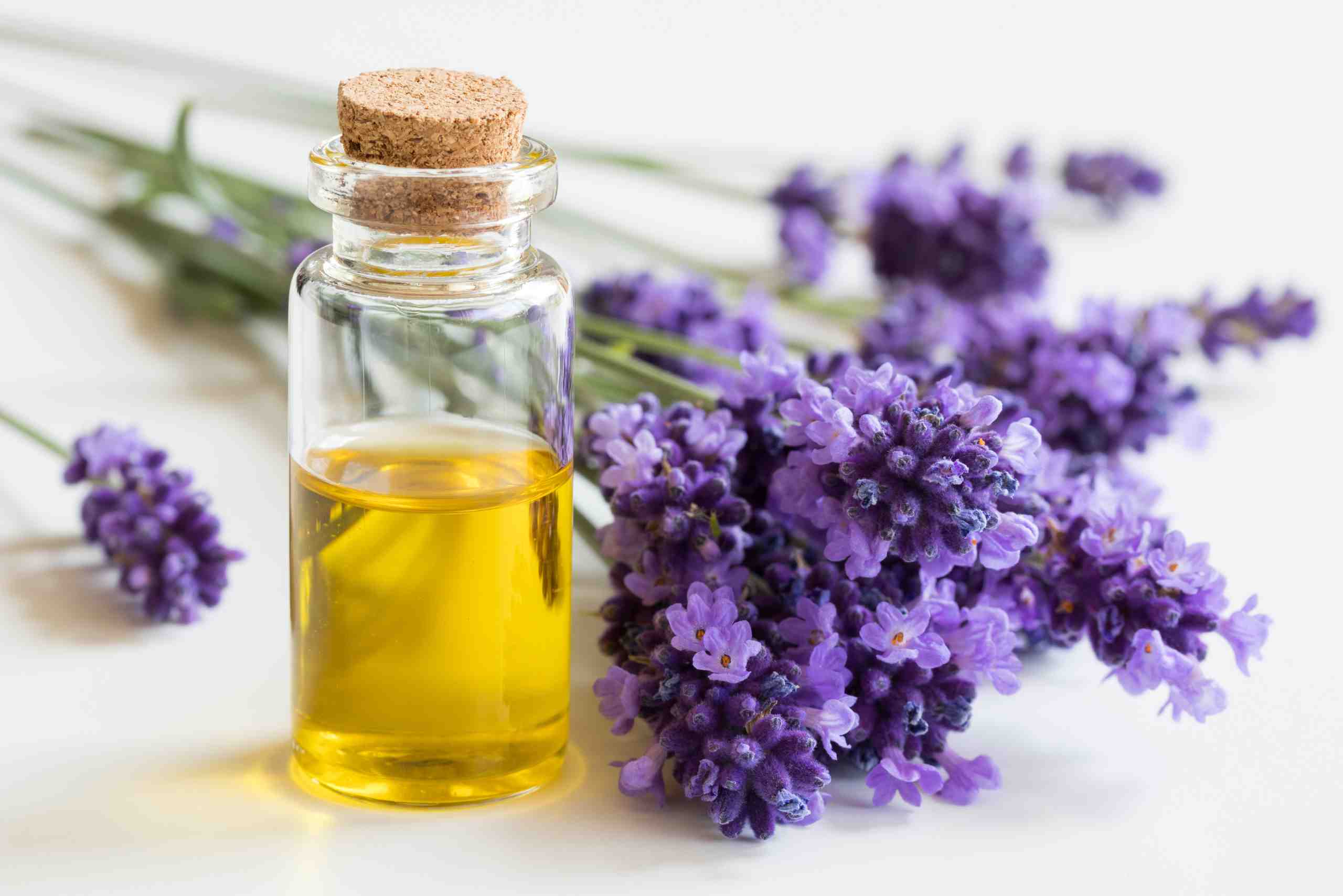
Image Source: Canva: Getty Images
Final Thoughts
I know you want to smell nice when you travel. Oftentimes, I “bathe” myself with scented products, according to my friends. That’s just a joke. I also love to smell nice; I love my body to ooze out smells that will attract people to me, not repel them from me. African travellers should endeavour to stay safe while enjoying sweet memories. Don’t compromise your health to smell nice.
Follow smart packing hygiene next time you are travelling. In the article, I shared that you could apply these natural ingredients to create a sweet smell. I also understand it can be stressful packing different items or even make you unorganised. Therefore, you should pack travel sizes formulated with natural products. Use fragrance-free or low-ingredient formula products. Also, avoid spraying in enclosed areas like planes and taxis; it might cause discomfort to you and the people around you. Lastly, apply gently; don’t repeatedly dabble it all over your body.
Do you produce natural body spray products that can keep travellers and other consumers safe, and you’d like to increase awareness? Contact us at TravelRadio.live.
Listen to TravelRadio.live for amazing travel insights.
Also Read: No Visa, No Entry: Nigeria’s New Airline Rules Impact Global Travelers And Tourism