By Vivienne Sar
Discover the most significant slave trade points in West Africa, where history’s painful chapters unfolded along the Atlantic coast.
These historic site, from fortified castles to haunting beaches, served as departure points for millions during the transatlantic slave trade.
They stand today as UNESCO-protected monuments, places of remembrance, and powerful calls for reflection on resilience, justice, and human dignity. For centuries, West Africa’s shores witnessed one of history’s greatest tragedies.
Between the 15th and 19th centuries, an estimated 12.5 million Africans were forcibly taken from their homes, marched to coastal points, and loaded onto ships bound for the Americas.
Local traders, European powers like the Portuguese, Dutch, British, and French, and kingdoms along the Slave Coast all played roles in this brutal system.
READ ALSO: Ghana Grants Citizenship to 524 Diasporans
Yet these top slave trade points in West Africa now welcome visitors seeking truth, healing, and understanding.
1. Gorée Island, Senegal
The Iconic Door of No ReturnJust off Dakar lies Île de Gorée, home to the Maison des Esclaves (House of Slaves). Built in the late 1700s by the Dutch as a holding station, this small island became a powerful symbol of the trade. Captives endured dark dungeons before stepping through the famous Door of No Return onto waiting ships. Though historians debate exact numbers passing through Gorée, its emotional resonance is unmatched. Families were torn apart here.
Today, a UNESCO World Heritage Site, it draws pilgrims from the African diaspora. Walking its narrow streets and standing at the sea-facing door stirs deep reflection on loss and survival.
2. Elmina Castle, Ghana
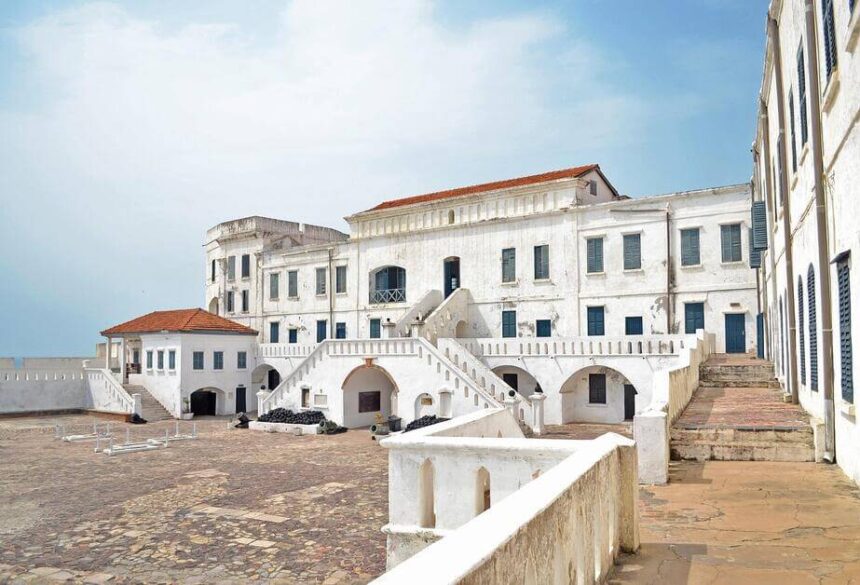
The Oldest European Structure South of the Sahara. Built by the Portuguese in 1482 as São Jorge da Mina, Elmina Castle started as a gold trading post but quickly became a major slave depot. Later controlled by the Dutch, it held hundreds of captives in overcrowded, airless dungeons beneath the governor’s quarters. Tours reveal the grim reality: punishment cells, auction rooms, and the “Door of No Return” leading straight to the Atlantic.
Ghana’s Gold Coast holds over 40 such forts, but Elmina remains the oldest and most visited. Its stone walls whisper stories of endurance amid unimaginable cruelty.
3. Cape Coast Castle, Ghana
British Slave Trade HeadquartersA short drive from Elmina stands Cape Coast Castle, the British administrative center for nearly 200 years. Originally Swedish, it changed hands multiple times before becoming a key hub in the transatlantic slave trade.Visitors descend into male and female dungeons where up to 1,000 people waited in darkness. Palaver Hall, where deals were struck, and the governor’s balcony overlook the sea. The castle’s museum and video exhibits bring the history alive.
Like Elmina, it’s a UNESCO site that leaves no one unchanged.
4. Ouidah, Benin
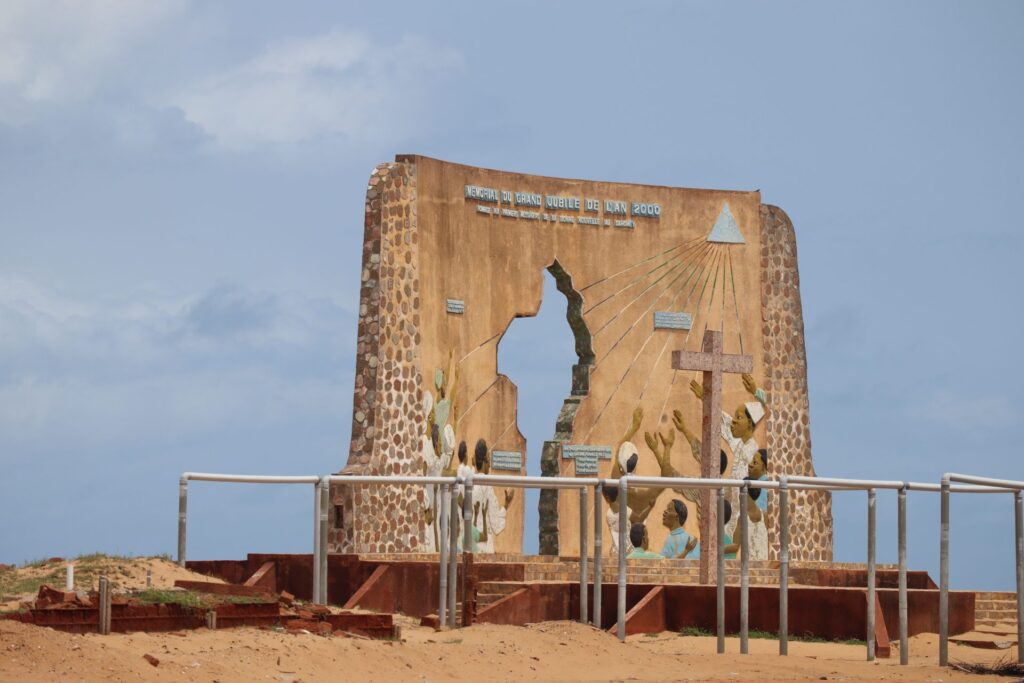
The Route des Esclaves and Point of No Return Ouidah was once one of the busiest ports on the Slave Coast under the Kingdom of Dahomey. Enslaved people walked the 4-kilometer Route des Esclaves to the beach, passing fetishes, statues, and memorials that now honor their journey.At the end stands the striking Door of No Return arch. The route blends history with Benin’s vibrant voodoo culture, creating a deeply spiritual experience.
Museums in old Portuguese forts add context, showing how this point sent hundreds of thousands across the ocean
5. Badagry, Nigeria
Barracoons and the Final African Shore: Near the Benin border, Badagry served as a major Nigerian slave port for centuries. Local leaders and European traders operated barracoons—long holding cells—where captives waited. Sites like the Brazilian Barracoon of Seriki Williams Abass and the Vlekete Slave Market tell vivid stories. The Point of No Return beach and heritage museums preserve artefacts and oral histories. Though less visited than Ghana’s castles, Badagry offers an intimate look at how the trade persisted even after some nations abolished it.
Nigeria’s role in both the trade and its eventual suppression adds important layers.
Why These Sites Still Matter Today
These top slave trade points in West Africa are more than relics; they are living classrooms. They educate new generations about the transatlantic slave trade’s scale and impact. Tourism here supports local communities, funds preservation, and fosters dialogue on equality and reparations.
Visiting feels heavy yet hopeful. Guides share stories of resistance, cultural survival, and the strength of those who endured. Many leave with a renewed commitment to fight modern forms of injustice.
Plan your journey responsibly. Respect local communities, support ethical tours, and share what you learn.
These historic slave ports remind us that remembering the past helps build a fairer future.
The coast of West Africa still echoes with the voices of ancestors; learn and carry their legacy forward.