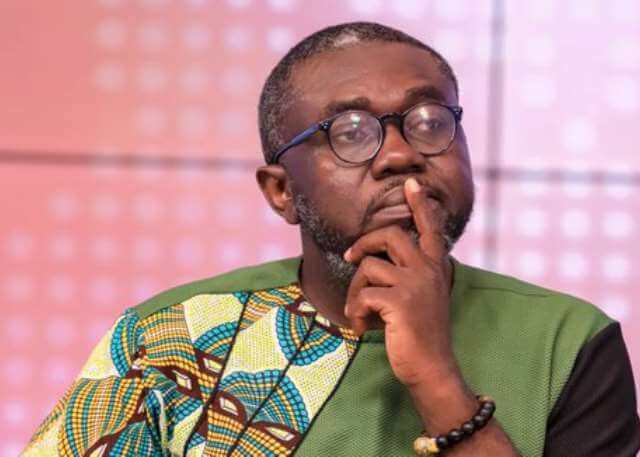
When Oliver Barker-Vormawor, a Ghanaian international lawyer and Founding Partner at Merton & Everett LLP, Accra, sat down with Travel Radio as a guest on our flagship morning radio show “WAKE AND WONDER“, his tone carried both history and urgency.
He was part of the team advising Ghana on the United Nations General Assembly (UNGA) resolution of 25 March 2026 declaring the Transatlantic Slave Trade the gravest crime against humanity and was part of the official delegation at the UN General Assembly for the adoption of the resolution.
The conversation around the transatlantic slave trade, he explained, did not begin today.
It has been decades in the making.
According to him, the recent push at the United Nations is the culmination of years of dialogue across the African Union and the Caribbean bloc, CARICOM.
“The process to get here… is a build-up on all of the works from the past… that various countries and statesmen have been talking about for a long time,” he said.
That long arc of history reached a defining moment when John Mahama declared the transatlantic slave trade “the greatest crime against humanity” on the global stage. But behind that powerful statement was months of intense legal drafting, diplomacy, and negotiation.
READ ALSO: Ghana rallies UN to declare Trans-Atlantic slave trade gravest crime against humanity
The Battle Over Language and Justice
Barker-Vormawor revealed that one of the biggest fights wasn’t just about recognition—it was about wording. Whether to describe slavery as “one of the gravest crimes” or the gravest crime became a central tension.
“There’s not a single thing in human history… that has endured in its scale, its magnitude… as much as the transatlantic slave trade did,” he argued.
For him and other drafters, the historical record was clear. The trade lasted over 400 years, reshaped global economies, and left scars still visible today.
Another major sticking point? Reparations.
“The question of reparations for crimes is not new… several Western powers paid slaveholders reparations… those deemed worthy were the enslavers,” he said.
Yet, the resolution deliberately broadened the conversation beyond money. It leaned into cultural repair—restoring dignity, rewriting narratives, and returning stolen heritage.
“We cannot reduce the conversation… by focusing on money. It is broader than that. It is cultural repair,” he added.
That shift marks a strategic pivot. Africa isn’t just asking for compensation—it’s reframing the entire global conversation around justice.
Global Resistance and Political Fault Lines
Despite widespread support, not everyone signed on. Barker-Vormawor pointed to resistance from parts of Europe and outright opposition from countries like the United States, Israel, and Argentina.
“They did not want to recognize it as the gravest crime… and demanded that any talk about reparation should be out,” he said.
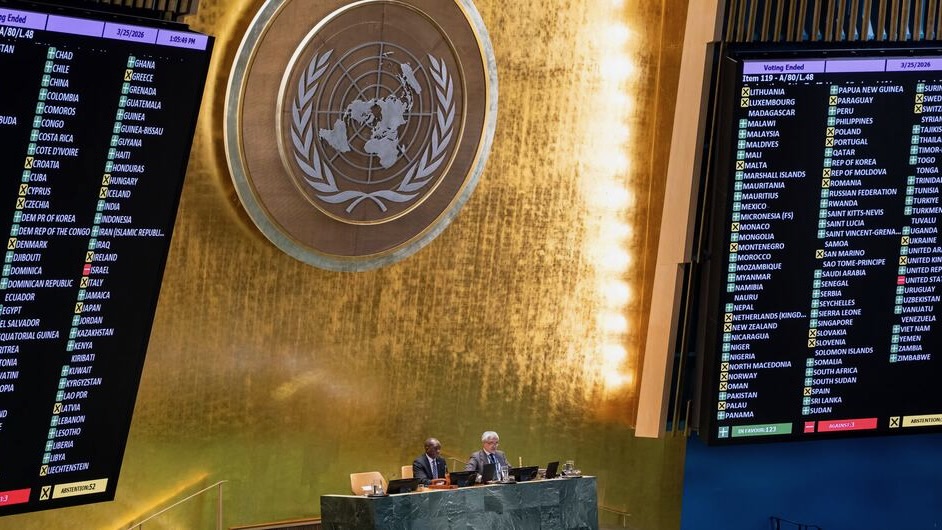
The result? Some nations abstained, while others rejected the resolution entirely.
Still, Africa built a coalition that stretched beyond the continent—bringing in Latin American countries and Caribbean nations with deep historical ties to slavery.
“What you would have [otherwise] is symbolic language… not a transformative legal instrument, which we refused to back down on,” he noted.
That refusal signals a new posture. Less compromise, more conviction.
Beyond Money
One of the most compelling parts of the conversation was how reparations are being reimagined in practical terms.
Barker-Vormawor pointed to Ghana’s heritage-based citizenship policy as a working model.
“Any person of African descent… is entitled to citizenship…recognisingg that you have a right to be back home,” he said.
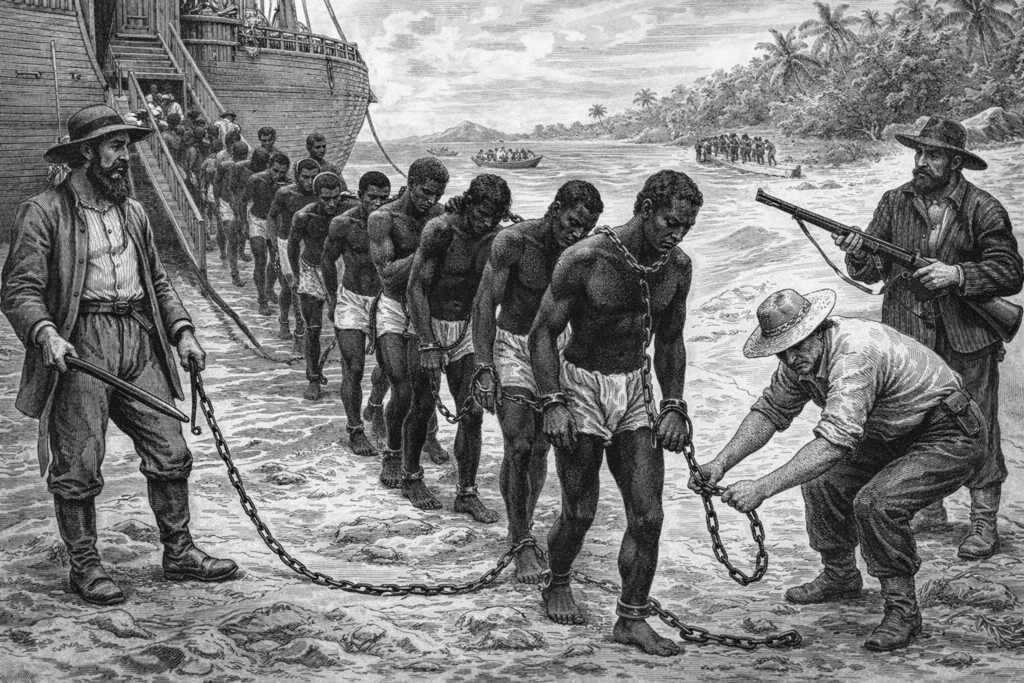
Over 12 million Africans were trafficked across the Atlantic. The slave trade lasted over 400 years.
Across West Africa, from Ghana to Nigeria, Senegal to Benin, countries are exploring ways to reconnect with descendants of enslaved people. Symbolic passports, cultural festivals, and heritage tourism are all part of this evolving toolkit.
At the same time, African leaders are acknowledging internal responsibility.
“Some of our ancestors were slave merchants… that repair, we need it for ourselves,” he admitted.
It’s a rare moment of dual accountability, Africa looking inward while also demanding justice from the West.
New Global Order
Zoom out, and this isn’t just about history; it’s about power, narrative, and the future.
Barker-Vormawor framed the movement as part of a broader shift in global politics.
“This is a defining… new international world order… built on empathy…recognisingg the pain of the past,” he said.
That vision challenges longstanding global systems—from trade rules to climate accountability and even academic research funding.
He argued that African stories have too often been told by outsiders, funded by foreign institutions, and shaped by external interests.
Now, that’s changing.
“This is a holistic attempt to rewrite the world… and it will outlive us,” he said.
Heritage, Memory, and the Future of Tourism
The conversation also touched on tourism specifically how sites tied to slavery can become spaces of remembrance and healing.
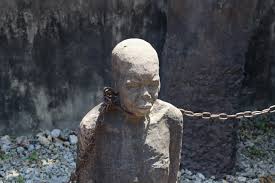
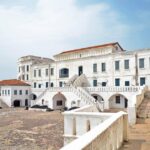
From Badagry in Nigeria to Cape Coast in Ghana, these locations carry deep emotional weight. But they also present an opportunity.
“We have not been able to link the slave routes… from Lagos to Dakar… to encourage regional tourism,” he explained.
The idea is simple but powerful: turn painful history into a shared, educational journey—one that connects Africa, the diaspora, and the world.
But that requires investment, preservation, and a shift in language.
“We call them slaves… rather than enslaved people… how we talk about the past matters,” he said.
Words shape memory. And memory shapes identity.