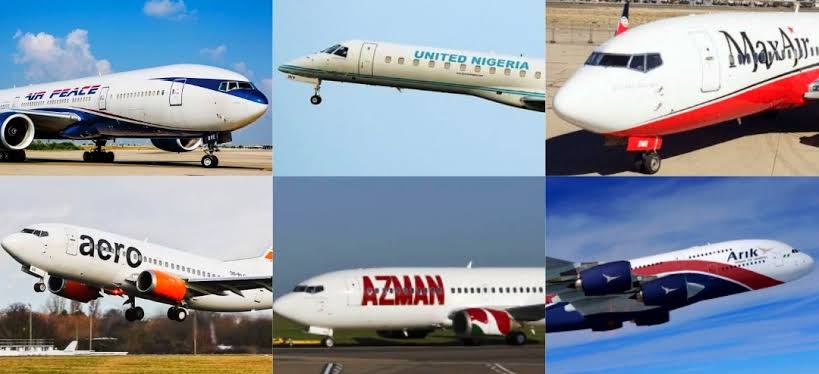
The Nigerian aviation industry is facing a perfect storm of challenges, with airlines struggling to stay in business amidst skyrocketing costs, foreign exchange scarcity, and heavy government charges.
According to industry experts, the high cost of fuel, lack of dollars, and increasing spare parts costs are making it difficult for airlines to operate profitably. The unstable naira and high government charges are also adding to the woes of the airlines.
“We’re struggling to stay in business because of high costs,” said Hazmat Bukar, Operations Manager of United Nigeria Airlines. “The lack of dollars is making it hard for us to operate, and the high government charges are not helping.”
The situation is further complicated by the scarcity of foreign exchange, which is needed by airlines to purchase spare parts and maintain their fleets. The Central Bank of Nigeria’s restrictions on forex access have made it difficult for airlines to get the dollars they need.
“The forex issue is making it hard for us to maintain our fleets,” said Simon Tumba, an aviation expert. “Airlines can’t get the dollars they need to buy spare parts, and this is affecting their ability to operate safely.”
The Nigerian government has been urged to intervene and address the challenges facing the aviation industry. Industry stakeholders are calling for a reduction in government charges, increased access to foreign exchange, and measures to stabilize the naira.
If the challenges facing the aviation industry are not addressed, there are fears that some airlines may stop operating, leading to job losses and reduced air travel options.
RELATED NEWS: FAAN Launches Acculturation Programme to Transform Organizational Culture
“The situation is critical, and something needs to be done urgently,” said Capt. Ado Sanusi, CEO of Aero Contractors. “We’re doing our best to stay in business, but it’s getting harder by the day.”