From April 9, 2026, the United Kingdom government will increase fees across a wide range of visa, residency, and citizenship categories applications.
The changes directly affect Nigerian nationals seeking to visit, study, work, or settle in the country.
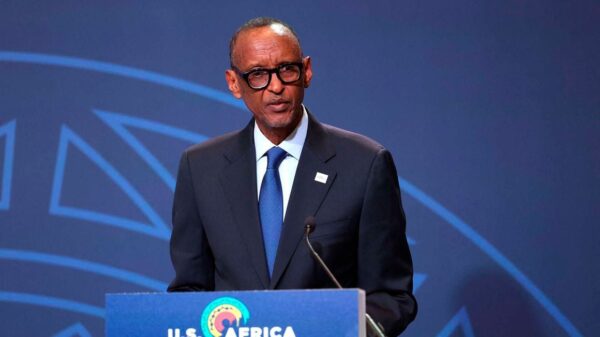
The increases come after Nigeria’s President Bola Tinubu embarked on a two-day visit to the United Kingdom a week ago.
Read Also: Tinubu UK State Visit: Nigeria and Britain Reset a Historic Bond
The revised fee schedule, published by the UK Home Office, shows increases across virtually all categories of visa applications made both inside and outside the UK.
Affected categories span visit visas, student visas, work visas, settlement applications, and naturalisation fees.
Nigeria remains one of the largest sources of visa applicants to the UK, with hundreds of thousands of Nigerians applying annually for visit, student, and work visas.
The April 8 deadline gives applicants less than two weeks to submit under current rates.
Visit Visas
The short-term visit visa the most commonly used category for Nigerian travellers rises from £127 to £135. Long-term visit visas increase across all durations.
The two-year visit visa moves from £475 to £506, the five-year visa from £848 to £903, and the ten-year visa from £1,059 to £1,128.
The direct airside transit visa rises from £39 to £41.50, while the landside transit visit visa increases from £70 to £74.50.
Student Visas
Nigerian students one of the most significant applicant groups in this category, will face higher costs from April.
The student visa for main applicants and dependants rises from £524 to £558.
The Child Student visa follows the same increase, moving from £524 to £558.
The short-term student visa for English language courses over six months rises from £214 to £228.
Work Visas
Multiple work visa categories face increases, with implications for Nigerian professionals applying for Skilled Worker and specialist routes.
The Skilled Worker visa for applications up to three years rises from £769 to £819, while the over-three-year category increases from £1,519 to £1,618.
The Health and Care Visa, a widely used route for Nigerian healthcare professionals, moves from £304 to £324 for applications up to three years, and from £590 to £628 for those over three years.
The Innovator Founder visa rises from £1,274 to £1,357, the Graduate Route from £880 to £937, and the Scale-up visa from £880 to £937.
The High Potential Individual visa remains unchanged at £880.
Settlement and Indefinite Leave to Remain
Nigerians pursuing permanent residency in the UK will face significantly higher costs under the revised schedule.
The Indefinite Leave to Remain fee rises from £3,029 to £3,226.
The Route to Settlement increases from £1,938 to £2,064, while the Route to Settlement for other dependant relatives moves from £3,413 to £3,635.
Nationality and Citizenship
Naturalisation as a British citizen rises from £1,605 to £1,709.
Registration as a British citizen for adults increases from £1,446 to £1,540.
In a rare exception, the fee for registering a child as a British citizen is reduced from £1,214 to £1,000, a cut of £214.
Additional nationality-related fees also increase.
Renunciation of nationality moves from £482 to £513, nationality review from £482 to £513, and the Status Letter from £459 to £489.
Travel Documents
The certificate of travel for adults rises from £300 to £320, while the child certificate moves from £151 to £161.
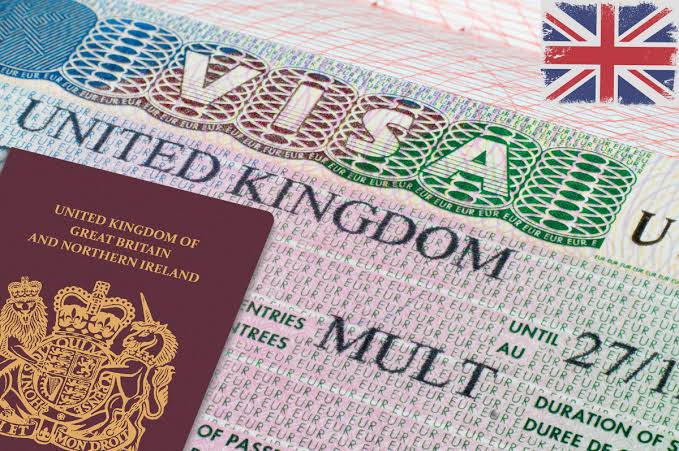
The Convention travel document for adults increases from £94.50 to £102, and the child document from £61.50 to £66.50.
Key Dates and Action Points
All revised fees take effect on April 8, 2026. Nigerian applicants with pending applications or planned submissions across any of the above categories are advised to review current timelines carefully and consider submitting before the deadline to avoid the higher rates.