


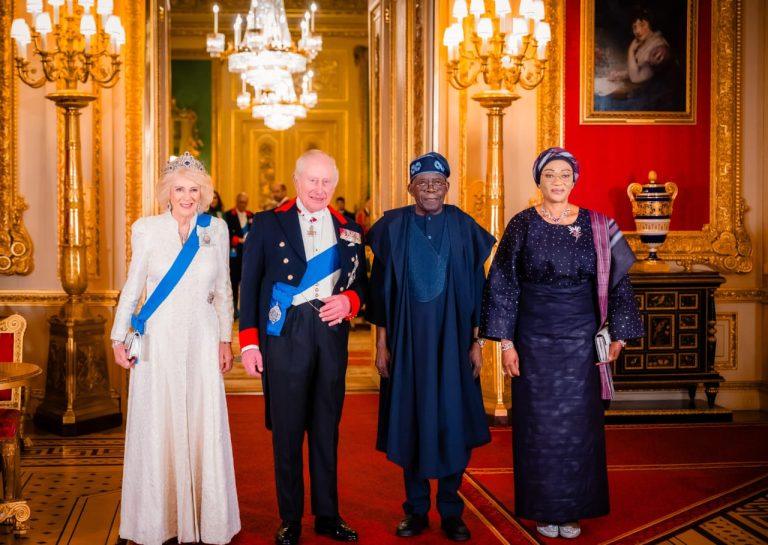
President Bola Ahmed Tinubu arrived in the United Kingdom on March 17, 2026 for a landmark state visit the first by a Nigerian leader in 37 years.
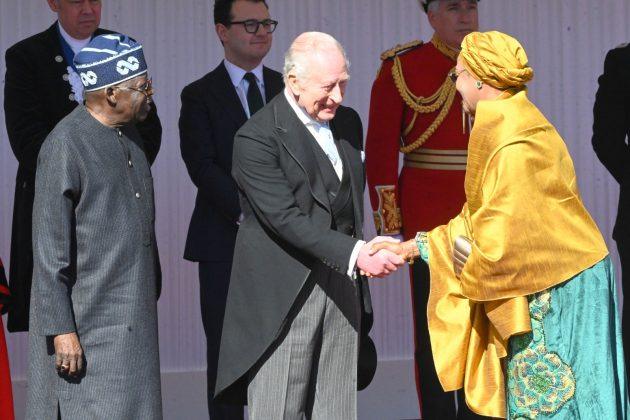
King Charles III and Queen Camilla hosted President Tinubu and First Lady Oluremi Tinubu at Windsor Castle, making Tinubu the first Nigerian leader ever to be received by a British monarch at that historic royal seat.
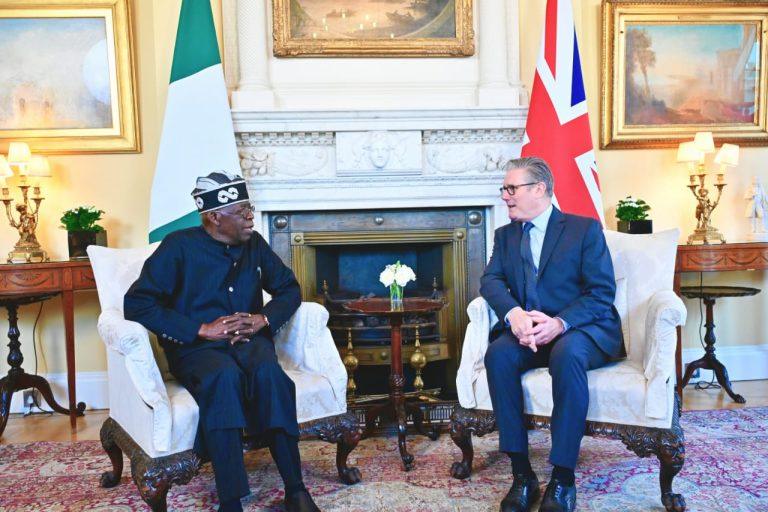
President Tinubu’s visit, against the background of a Nigeria-UK relations reset comes laden with deals, declarations, and the unmistakable weight of a relationship that runs deeper than diplomacy.
UK-Nigeria trade reached £8.1 billion in 2025; up 11.4% on the preceding year.
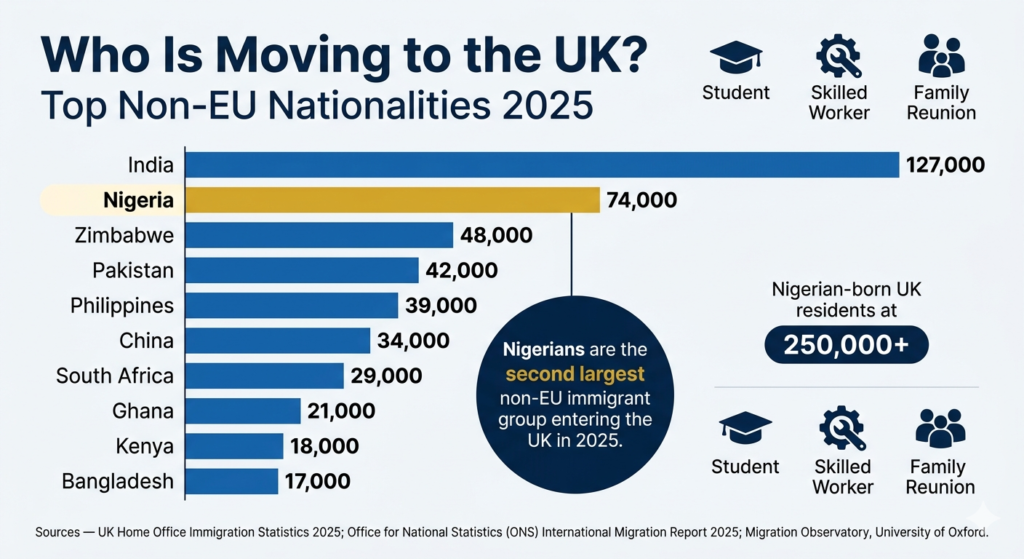
Nigerians were among the largest non-EU nationalities to immigrate to the UK in 2025, and remittances form an important element of Nigeria’s external accounts.
Additionally, a 2022 Foreign Affairs Select Committee report described Nigeria as a “critical partner in Africa,” and suggested the government should view Nigeria not just as a partner in Africa, but as a global partner.
Tinubu’s Special Adviser Sunday Dare described the visit as “a reset in relations between both countries, expected to deliver trade deals, security agreements and more.”
Moreover, the visit also features a Nigerian Modernism exhibition, showcasing Nigerian arts and culture to British audiences and a high-level diaspora reception bringing together the UK’s thriving Nigerian community.
Business
The centrepiece is the £746 million financing agreement between UK Export Finance, the Nigerian Ports Authority, and the Federal Ministry of Finance supporting the refurbishment of the Lagos Port Complex at Apapa Quays and the Tin Can Island Port Complex.
The upgrade will be the first in nearly half a century, aimed at transforming the country’s principal maritime gateways and repositioning its port system for global competitiveness.
The financing arrangement, secured with the backing of the UK Export Finance (UKEF), will fund the comprehensive modernisation and upgrade of the Lagos Port Complex Apapa, popularly known as Apapa Port, and the Tin Can Island Port Complex in Lagos.
The Nigeria Sovereign Investment Authority (NSIA) also signed a Memorandum of Understanding (MoU) with UK‑based Asset Green Ltd to advance the development of a large‑scale integrated dairy livestock production and processing platform set to transform Nigeria’s dairy industry and strengthen national food security.
Second Home
The Nigeria-UK relations story is inseparable from the human bonds between both nations.
Nigerians represent one of the largest non-EU immigrant communities in the United Kingdom, with the diaspora spread across London, Manchester, Birmingham, and beyond.
The University of Birmingham and the University of Lagos have signed new agreements to deliver advanced programmes in Applied AI and Global Surgery deepening an education corridor that already sees tens of thousands of Nigerian students enrolled in British universities each year.
A UK-Nigeria Season of Culture is confirmed for 2028, ensuring the soft power of Afrobeats, Nigerian cinema, and contemporary art continues to drive commercial and cultural engagement between both nations.
Indeed, the Nigerian Foreign Minister Yusuf Tuggar’s 4D Foreign Policy framework (built on democracy, development, demography, and diaspora) finds its fullest expression precisely in the Tinubu UK state visit Nigeria UK relations moment.


