Travelling by road from Lagos to Abidjan is not just a trip. It is a moving snapshot of West Africa’s economic and cultural pulse.
Stretching over 1,000 kilometres, the route cuts through multiple countries, including Benin, Togo, and Ghana, forming part of the ambitious Abidjan-Lagos Corridor.
This corridor is one of the busiest trade routes in the region, carrying goods, people, and stories across borders daily.
From the chaos of Lagos traffic to the coastal calm approaching Abidjan, the journey offers a layered experience of markets, border towns, and evolving infrastructure.
The reality of the journey is defined by its borders.
READ ALSO: Best budget hotels in Lagos
Travellers pass through key checkpoints such as Seme-Krake between Nigeria and Benin, Hillacondji between Benin and Togo, and Aflao between Togo and Ghana.
Issues
Despite the Economic Community of West African States protocol on free movement, delays remain common due to documentation checks and informal procedures.
According to Jean Claude Kassi Brou, a regular traveller from Togo:
Free movement of people and goods is central to regional integration and economic growth.
Yet on the ground, travellers often spend hours navigating border formalities, reflecting the gap between policy and practice.
The Abidjan-Lagos highway is more than a road. It is a trade artery supporting millions of livelihoods.
Estimates suggest the corridor serves over 75 percent of West African trade activity, linking major ports and commercial hubs.
From roadside vendors in Cotonou to transport operators in Accra, the route fuels local economies at every stop.
Tourism experts see growing potential in the corridor as a multi-destination travel experience.
Coastal cities, cultural festivals, and culinary diversity make the journey attractive to adventurous travellers seeking authentic regional experiences.
Infrastructure Push Signals Future Growth
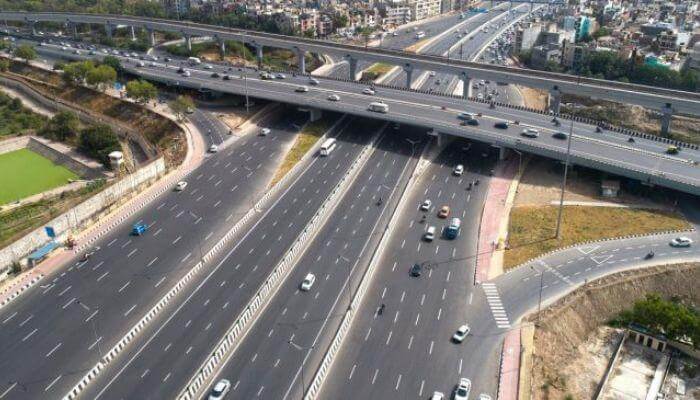
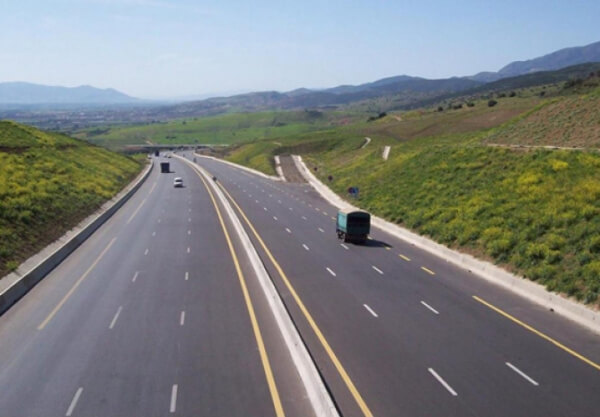
Efforts are underway to transform the route into a modern six lane highway under the Abidjan Lagos Corridor Project, backed by regional governments and development partners.
According to the African Development Bank:
The corridor will significantly balance regional integration and reduce travel time across West Africa.
The project aims to cut journey time, improve safety, and boost trade efficiency, potentially turning a challenging road trip into a seamless travel experience.
Despite its promise, the journey is not without obstacles. Poor road conditions in some sections, traffic congestion, and multiple checkpoints can turn what should be a 12 to 15 hour trip into a multi-day journey.
Security concerns and inconsistent enforcement of travel protocols also remain issues for both local and international travellers.
Still, for many, the experience is part of the appeal.
The unpredictability, the human interactions, and the changing landscapes create a travel narrative that no flight can replicate.
The Lagos to Abidjan road trip captures West Africa in motion. It is where policy meets reality, where trade meets culture, and where tourism potential is still unfolding.
As infrastructure improves and regional cooperation deepens, this corridor could become one of Africa’s most iconic overland travel routes.
For now, it remains raw, real, and deeply revealing.
If you want to understand West Africa, you do not just fly over it.
You drive through it.