
Japan has officially surpassed its long-term enrolment target of 400,000 international students, eight years ahead of its 2033 deadline and the doors are now wider open than ever for ambitious Nigerian students looking to study, work, and build a future in one of the world’s most technologically advanced nations.
Here is everything Nigerian students need to know.
Why Japan and Why Now?
Japan is no longer just a dream destination, it is becoming one of the most accessible and rewarding study destinations in the world for Nigerians.
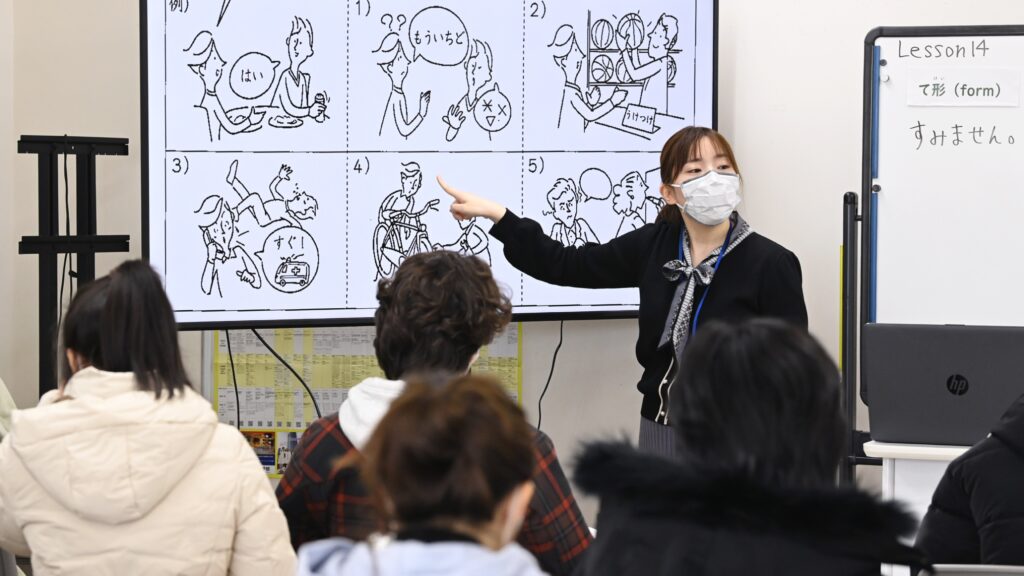
The Japanese government had set a goal of attracting 400,000 international students by 2033, but hit that target in 2025, a full eight years early.
That achievement has triggered major policy changes that directly benefit international applicants, including Nigerians.
Japan is also introducing more English-taught programmes to reduce language barriers for students from abroad; meaning you no longer need to be fluent in Japanese before you apply.
Step 1 — Choose Your University and Programme

Japan’s top national universities are now actively expanding their international student intake. Japan’s Ministry of Education, Culture, Sports, Science and Technology (MEXT) has allowed three large national universities Tohoku University, Hiroshima University, and the University of Tsukuba — to enrol more international students in certain programmes for the 2026 intake.
These three universities are a strong starting point for Nigerian applicants, particularly for programmes in science, technology, engineering, and mathematics (STEM), as well as business and social sciences.
Other top universities to consider include the University of Tokyo, Osaka University, and Kyoto University — all of which offer internationally recognised programmes and active scholarship schemes.
Step 2 — Apply for the MEXT Scholarship

The most direct route for Nigerian students is the Japanese Government MEXT Scholarship, which covers tuition, accommodation, and a monthly stipend. To apply, Nigerian students should contact the Embassy of Japan in Abuja directly, as applications are processed through Japanese diplomatic missions.
Key requirements typically include strong academic records, a research proposal for postgraduate applicants, proficiency in English or Japanese, and letters of recommendation.
Step 3 — Prepare Your Language Requirements
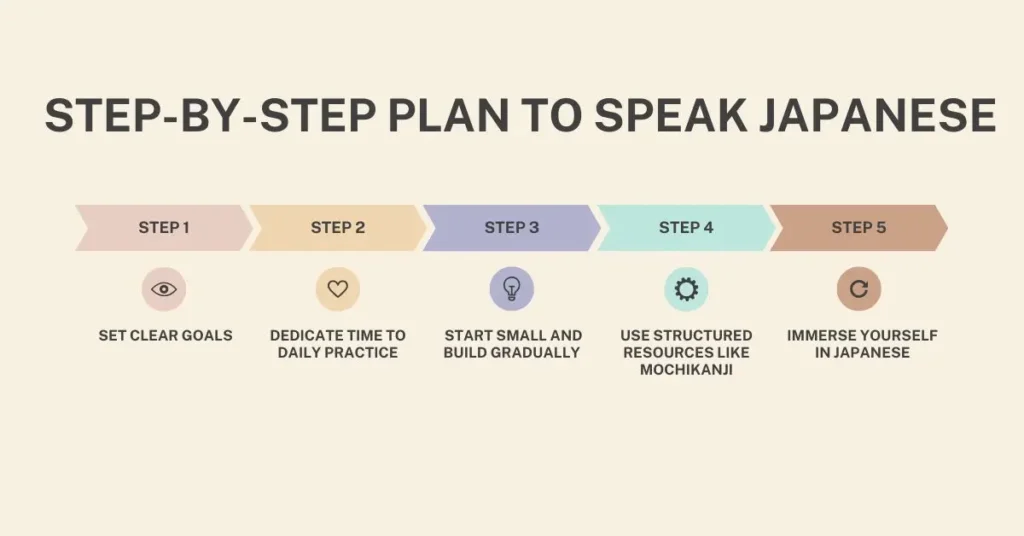
The introduction of more English-taught programmes is set to reduce language barriers for students from abroad. However, learning basic
Read Also: Canada’s Visa Crackdown Forces Closure of Public College as Foreign Enrollment Plummets
Japanese will significantly strengthen your application, improve your daily life in Japan, and boost your employability after graduation. Free and paid Japanese language courses are available online through platforms such as the Japan Foundation and NHK World.
Step 4 — Sort Your Student Visa
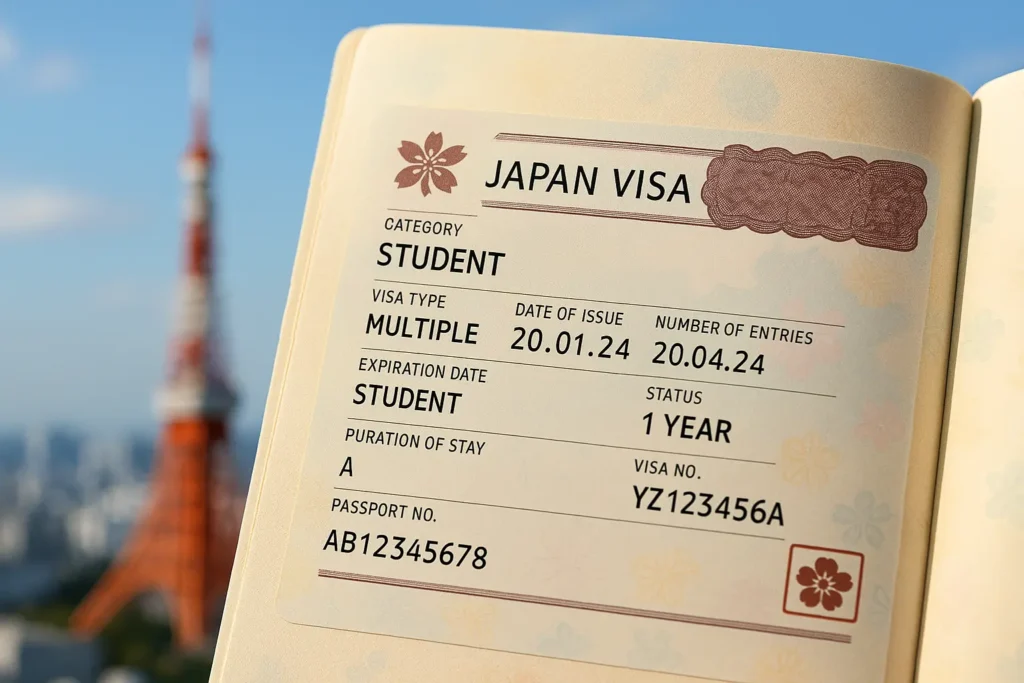
Once you receive an acceptance letter from a Japanese university, you will need to apply for a College Student Visa (留学, Ryugaku) at the Embassy of Japan in Abuja. Required documents typically include your Certificate of Eligibility issued by the university, valid passport, acceptance letter, financial proof, and passport photographs.
Processing typically takes between four and eight weeks, so apply early.
Step 5 — Plan Your Finances

The Ministry of Education is encouraging universities to raise tuition fees for international students in order to better fund language support and other services for foreign nationals. Nigerian students should budget carefully. Average tuition at national universities ranges from ¥535,800 (approximately $3,500) per year, while living costs in cities like Tokyo average ¥80,000–¥120,000 (approximately $530–$800) per month.
Part-time work of up to 28 hours per week is permitted for student visa holders in Japan, providing an important supplementary income stream.
Step 6 — Think Beyond Your Degree

Japan is not just a place to study; it is a gateway to a long-term career. With over 866,000 highly skilled foreign professionals currently employed in Japan, the country continues to encourage experienced workers from abroad to join its workforce and international graduates are a key pipeline for that talent. Many Nigerian graduates who study in Japan go on to secure employment in technology, engineering, research, and international business.
What Nigerian Students Should Watch Out For
Japan’s rapid opening comes with important caveats. Chief Cabinet Secretary Minoru Kihara announced increased language support for incoming students, alongside a doubling of the time needed to gain permanent residency so long-term settlement plans require careful consideration.
Japan recorded 4 million foreign residents as of June 2025, the highest in its history and public debate around cultural integration is growing. Nigerian students are advised to research Japanese cultural norms thoroughly before arrival.
Quick Tips for Nigerian Applicants
Apply at least 12 months before your intended start date. Target universities with dedicated African student support offices. Join online communities of Nigerians already studying in Japan for first-hand guidance. Verify all agents and consultants carefully; many charge excessive fees for services you can access for free directly through university websites and the Japanese Embassy in Abuja.