


If you’ve ever had the kind of meal that made you want to cry because something about it felt ancient, true and bigger than you, then maybe you had eaten at the Homowo Festival Ghana. See, Africa has so many amazing cultures and festivals, and this is one of the most beautiful things you’ll ever see.
I know that sounds dramatic, but hear me out.
The Ga people of Accra will not only cook food during Homowo, but they also pour it on the ground to share it with their ancestors. “Homowo” in the language means hooting at hunger. So they literally scream at hunger.
This post will help you build your itinerary if you’re planning a trip to Accra this August.
What Is the Homowo Festival, Ghana Really About?
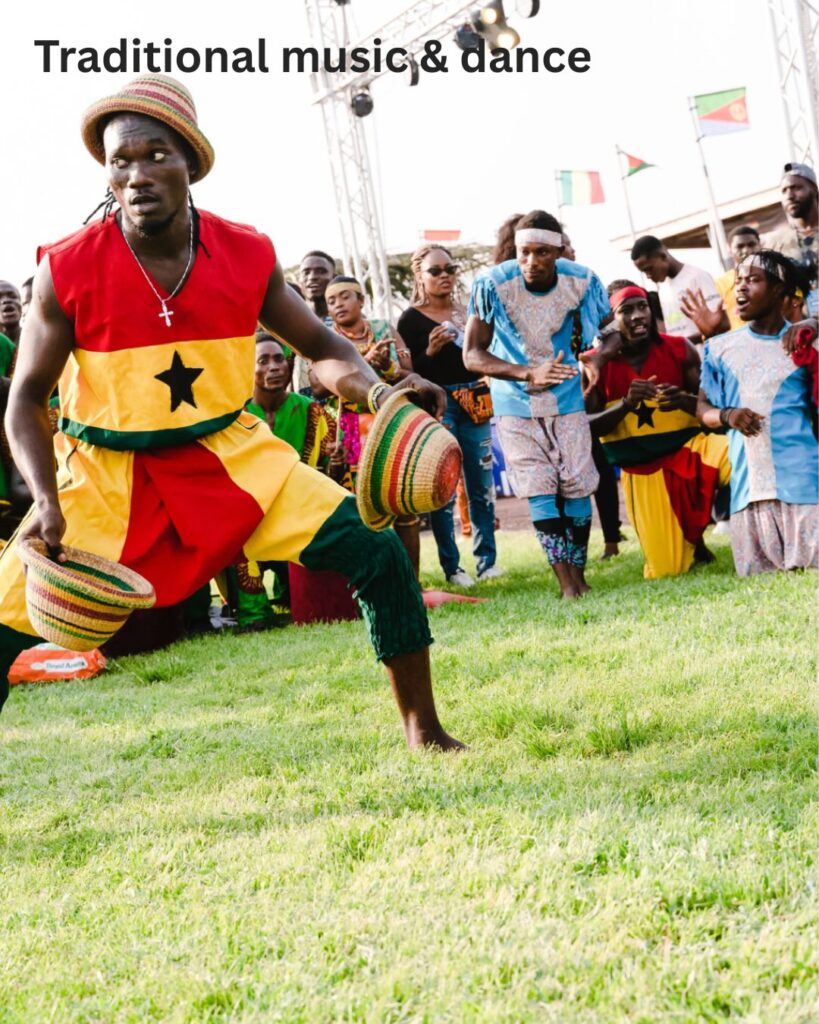
Homowo is the annual traditional celebration of the Ga people, and the word translates as “hooting at hunger.” It commemorates the end of a devastating famine caused by drought during the Ga ancestors’ migration to their present settlements.
It is more like Ghana’s Thanksgiving, except rawer, older, and way more communal. The Homowo Festival Ghana embodies this exact spirit.
This festival dates back to the 16th century, when the Ga people suffered many hardships, including a severe famine, during their travels across Africa. They celebrated their first harvest in Ghana with a feast, and a tradition was born.
That’s a living memory passed through generations, and the festival is how they make sure no one ever forgets what their ancestors survived.
Homowo Festival Ghana Dates: When Does It Take Place?
The 2026 celebration runs from Monday, August 10, through Saturday, September 5, with this year’s theme being “Respect for All: The Foundation for a Stronger Society.”
The festival is celebrated between May and September each year by the people of Tema, Nungua, Teshie, La, Osu, and Ga Mashie. Different Ga communities hold their celebrations on different Saturdays, so if you’re visiting for a week, you can often catch more than one.
One thing to know before you go is that the start of the festival begins when the first crops are sown, and among the first rituals is a 30-day ban on drumming. A few days of rest lead up to the feast, where no farm work or fishing is allowed. The silence makes the explosion of celebration feel that much more electric when it finally arrives.
Where to Experience the Homowo Festival Ghana in Accra
The main centres of celebration are the Ga communities in Accra, including Teshie, Nungua, and La.
La is probably the most accessible for first-time visitors, and the La Traditional Council organises formal events around the season. But honestly, some of the most memorable moments happen in smaller neighbourhoods where the celebrations are entirely for the community and not for cameras.
If you want both the official program and the raw neighbourhood energy, budget at least five to seven days in Accra and ask your hotel or a local guide which community celebrations fall on which Saturdays. Mapping your itinerary around the Homowo Festival Ghana guarantees you catch the right moments.
Download Our Itinerary for free
What Actually Happens During Homowo?
Alright, what is this rave about? We love festivals a lot at Travel Radio Live. From the Calabar festivals to Coachella and Notting Hill Carnival, we are always happy to be there! Why? Food, music, sights, glamour, and culture! These are things that bring us all together. So why is the Homowo festival Ghana so fabulous?
The Food That Changes Everything
This is the part people don’t expect to be moved by and then they are.
At the central event of Homowo, a special corn-based dish called Kpokpoi is prepared and sprinkled around the community to appease the gods.
The traditional Homowo dish, Kpekpei or Kpokpoi, is made from steamed and fermented cornmeal and palm oil. It’s served alongside palm nut soup with fish. The flavour is earthy and deep.
That ritual they do with it is always something you can’t explain until you see it. Elders move through homes and streets, pouring the dish on the ground and calling on their ancestors by name. The meal isn’t just for the living.
Traditional Drumming and Dance
Activities include a homecoming float, street carnival, as well as Kpaalamo, the cultural songs of the festival, and Kpokpoi cooking competitions.
Street parades with drumming, singing, and dancing fill the neighbourhoods, and participants make loud noises with instruments like drums, horns, and rattles. After weeks of near-silence during the drumming ban, this release is something else entirely.
The Great Family Reunion
Like I said earlier, the people of Ga treat Homowo like Americans treat Thanksgiving. Homowo is, at its heart, a family reunion on a massive scale.
Ga people who have moved to other cities or countries come home for this. Roads get crowded. Old neighbourhoods fill up. Children meet grandparents, cousins meet cousins, and the streets start to feel like one giant household.
If you’re a traveller, this means the people around you are genuinely happy to be there. That energy is contagious.
Travel Tips for Visiting Homowo Festival Ghana
Book accommodation early. You can use a paid service like Trips to book hotels, taxis and so on. August in Accra fills up fast during the Homowo Festival Ghana. Staying in or near La, Osu, or Nungua puts you close to the action.
Go with a local guide, at least for the first day. Some rituals are sacred, and a good guide helps you know when to observe quietly and when you’re genuinely welcome to participate.
Dress respectfully. You don’t need traditional Ga clothing, although wearing something colourful and modest will always be appreciated. White is often worn during certain stages of the festival.
Eat what’s offered. If someone invites you to share Kpokpoi with their family, say yes. That is the whole point of Homowo: sharing abundance.
Don’t just stay in the tourist areas. The real festival isn’t happening at the hotel buffet. Take a trotro or hire a taxi and get into the neighbourhoods.
Should You Travel to Ghana for This Festival?
Here’s my honest take: Ghana doesn’t need you to show up for the Homowo Festival Ghana to survive. This celebration has continued for centuries and will continue long after your visit.
But you might need it.
The whole point of this festival is that you are going to watch a people who refuse to forget or let their great-great-grandparents become just a footnote. That reorients your sense of what matters. The drumming, the food poured on the ground, the names called out to the dead, the laughter filling streets that were quiet just days before.
The 2026 Homowo Festival runs August through September in Accra, Ghana. If there was ever a reason to book that flight, this is it.
Frequently Asked Questions About Homowo Festival Ghana
What is the biggest festival in Ghana?
While Ghana has many vibrant festivals throughout the year, Homowo Festival Ghana is among the largest and most significant, particularly in the Greater Accra Region. Other major festivals include the Akwasidae Festival (Ashanti), Aboakyir (Winneba), and Hogbetsotso (Anlo). However, Homowo stands out for its massive homecoming, week-long celebrations, and deep historical significance to the Ga people.
What do twins wear during Homowo?
In Ga culture, twins hold special spiritual significance. During Homowo, twins often wear matching traditional outfits, typically in white or red and white cloth. They may also wear special beads and carry symbolic items. Twins are sometimes given prominent roles in certain rituals, as they are considered blessed and connected to the spiritual realm. If you’re a visitor, don’t worry about this — it’s specific to Ga families with twins.
Is Homowo still celebrated today?
Yes, absolutely! Homowo Festival Ghana is very much alive and continues to be celebrated annually. The 2026 festival runs from August through September. It remains one of the most important cultural events for the Ga people, drawing thousands of visitors and diaspora Ghanaians back home each year. The festival has evolved to include modern elements like street carnivals and competitions while maintaining its ancient rituals and traditions.
Can tourists attend Homowo Festival?
Yes! Tourists are welcome to attend and observe the Homowo Festival Ghana. However, it’s important to be respectful of sacred rituals. Some ceremonies are private to the Ga community, while others are open to all. Hiring a local guide is highly recommended because they’ll help you understand what’s happening and when it’s appropriate to participate versus observe quietly.
Why is there a drumming ban before Homowo?
The 30-day drumming ban is a sacred period of reflection and preparation that marks the beginning of the festival season. During this time, the community observes silence and restraint as they prepare spiritually for the celebrations. This ban makes the eventual explosion of drumming, dancing, and celebration even more powerful and meaningful when it’s finally lifted. It’s a time for the community to focus on farming, spiritual cleansing, and remembering their ancestors.
What is Kpokpoi, and why is it important?
Kpokpoi (also called Kpekpei) is the sacred dish at the heart of Homowo Festival Ghana. Made from steamed and fermented cornmeal mixed with palm oil and served with palm nut soup and fish is a spiritual offering. During the festival, elders sprinkle Kpokpoi on the ground to honour ancestors and deities, symbolising the community’s victory over the historical famine. Sharing this meal represents abundance, gratitude, and remembrance.
When is the best time to visit Accra for Homowo?
Plan to arrive in Accra at least a week before the main celebrations begin. The 2026 festival runs from August through September, but different Ga communities (Teshie, Nungua, La, Osu, Ga Mashie) celebrate on different Saturdays. By staying for 5-7 days, you can experience multiple community celebrations and see both the formal events and the spontaneous neighbourhood festivities. Book your accommodation early because August is peak season!
Is Homowo Festival Ghana safe for solo travellers?
Yes, Homowo Festival Ghana is generally safe for solo travellers, especially if you take basic precautions. The festival atmosphere is joyful and communal, and Ghanaians are known for their hospitality. That said, it’s wise to hire a local guide for your first day, stay aware of your belongings in crowded areas, and let your accommodation know your plans. The homecoming nature of the festival means neighbourhoods are full of families looking out for each other, which adds to the safety and warmth of the experience.
Have you been to Homowo or any harvest festival in West Africa? Drop your experience in the comments. And if you’re planning your first trip to Ghana, share this post with whoever you’re dragging along with you.





The detail about the 30-day drumming ban is what stuck with me most. It reframes the whole festival, the silence isn’t just preparation, it’s part of the celebration itself. That contrast must make the actual drumming hit completely different. As a Nigerian, it’s also interesting to see how West African harvest traditions share that same core logic: abundance isn’t just consumed, it’s remembered and shared with the dead. The Kpokpoi ritual makes that literal in a way very few festivals do. Well written.
Amazing detail you caught there. Well done
Nice one. I ain’t travelling for this though
Why not, Jane? Homowo festival is a grand festival for Ghanaians