Europe’s tourism landscape is undergoing a major recalibration as visitors from China and India step into the spotlight, while American travel demand shows its first signs of cooling since the pandemic rebound.
According to the European Travel Commission, international arrivals to Europe are projected to rise 6.2% in 2026, driven primarily by a 28% surge in Chinese travellers and a 9% increase from India.
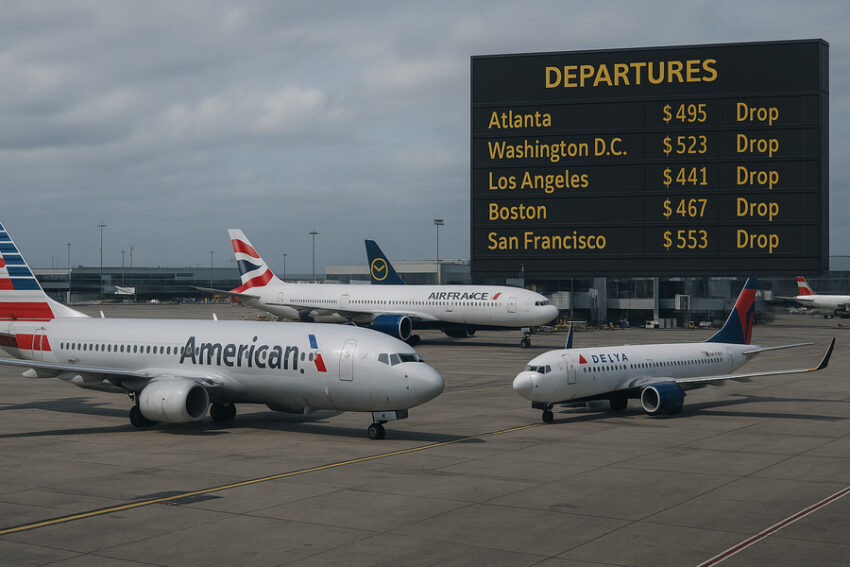
By contrast, visitor growth from the Americas is slowing to 4.2%, with data showing fewer forward flight bookings between the United States and Europe, marking a notable shift after years of U.S.-led demand.
A Turning Point for European Tourism
This is the first meaningful slowdown in American travel to Europe since the post-pandemic boom, a period when U.S. tourists dominated arrivals across the continent.
Destinations including Paris, Rome, and London are now actively pivoting marketing strategies toward Asia, focusing on premium, experience-led travel products.
Why the Shift Is Happening
Economic uncertainty, geopolitical tensions, and evolving travel priorities are influencing American consumers.

Meanwhile, Chinese and Indian travellers are returning with strong demand for longer stays, high-end accommodation, and culturally immersive experiences.
Encouragingly for Europe, tourism spending rose 9.7% last year, signaling that while visitor patterns are changing, travellers are spending more once they arrive.
The Bigger Picture
Europe may be welcoming fewer Americans but the surge from Asia signals a powerful reshaping of global travel flows.
The future of tourism is no longer dominated by a single market. It is broader, more diverse, and increasingly global.