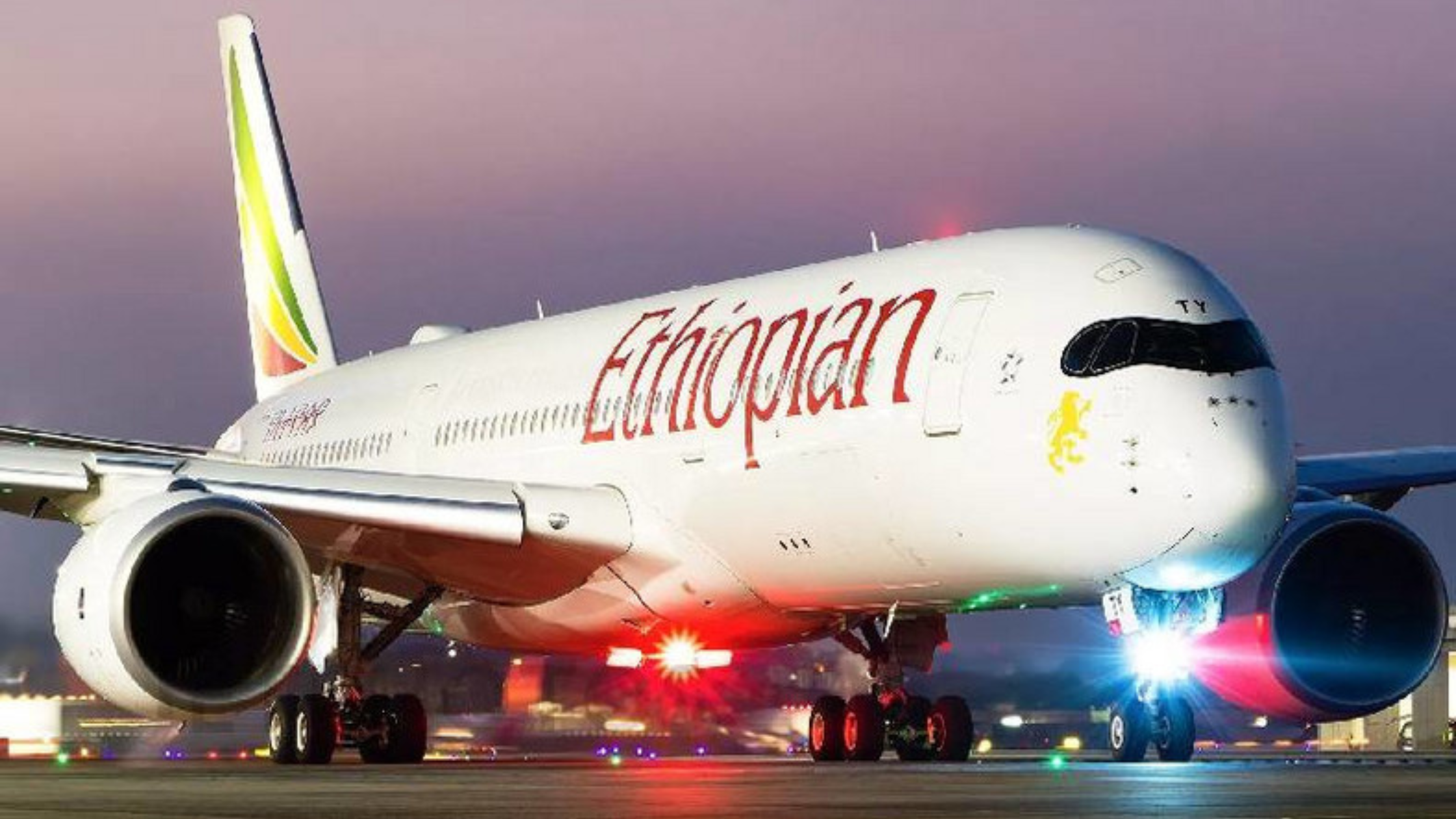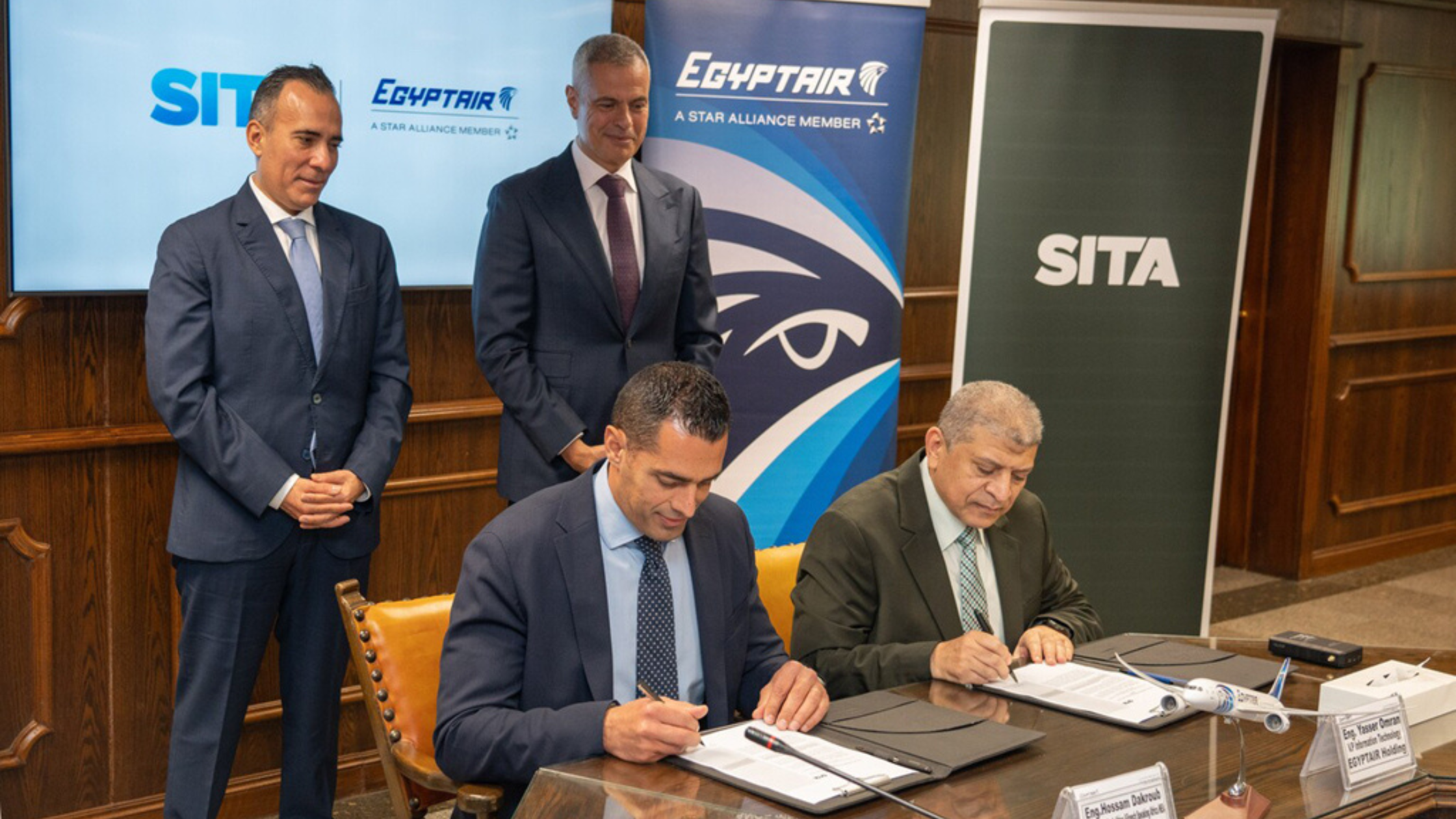
EgyptAir is taking a bold leap into the future. In a newly announced partnership with SITA—a global leader in air transport technology—the airline is rolling out a comprehensive network infrastructure upgrade to enhance operational efficiency, improve resilience, and better serve passengers across the Middle East, Africa, and beyond.
But beyond the tech jargon and corporate milestones, this transformation has deeper implications for the continent’s aviation ambitions—and for African travelers navigating global skies.
A Digital Backbone for a New Era of African Aviation
At the heart of this development is EgyptAir’s adoption of SITA Connect Go, a cloud-native connectivity platform designed to handle growing demands for bandwidth, security, and automation. This isn’t just about streamlining internal systems; it’s a foundational step toward future-proofing Egypt’s aviation infrastructure.
Passengers—especially those flying to, from, and within Africa—stand to benefit from enhanced digital services, faster check-ins, fewer delays, and improved service reliability. EgyptAir’s integration of SITA’s Community Departure Control System (DCS) promises more efficient ground operations and a better passenger experience at key African airports like Cairo International, a crucial hub for diaspora travelers and tourists alike.
Why This Matters for Black and African Travelers
Air travel remains a cornerstone of mobility, economic opportunity, and cultural exchange across Africa and the diaspora. Yet historically, African carriers have been under-resourced, over-regulated, and marginalized in global aviation partnerships. This initiative signals a shift in narrative: EgyptAir, one of Africa’s oldest and most influential airlines, is asserting its readiness to compete globally—not just participate.
For Black and African travelers, the modernization of EgyptAir is more than convenience—it’s about representation and autonomy. Upgrades like these challenge the outdated perception that African aviation cannot deliver world-class service or innovation. It signals that Africa’s travel infrastructure is evolving on its own terms, with global-standard partnerships that prioritize regional development.
Tourism, Trade, and Tech: A Triple Impact
Egypt’s tourism industry, still recovering from pandemic-era stagnation, is poised to gain from this tech-driven transformation. With travel demand bouncing back and regional airports getting busier, tourists heading to iconic Egyptian destinations—from the pyramids of Giza to Luxor’s ancient temples—will increasingly rely on digital services to navigate their journeys.
Beyond leisure, the modernization enhances Egypt’s stature as a trade and aviation hub. Positioned strategically between Africa, the Middle East, and Europe, Egypt can leverage its national airline’s improved infrastructure to draw more airlines, cargo routes, and tourism partnerships.
It also reflects broader African ambitions to digitalize aviation, as seen in regional strategies like the Single African Air Transport Market (SAATM). These goals rely not only on open skies but on modern, secure, and agile infrastructure—a need EgyptAir now meets head-on.
Travel Blog: Egypt’s 96-Hour Free Transit Visa Extended: What It Means for Black and African Travelers Passing Through Cairo
SITA’s Role—and the Challenge of Equitable Tech Access
SITA’s involvement brings credibility and capacity to the initiative. The company has operations in over 200 countries and is a trusted name in aviation IT. But it’s important to note: while such partnerships offer access to global expertise, they also raise critical questions about who controls the data and infrastructure underpinning African air travel.
For African airlines and governments, it is vital that modernization doesn’t come at the cost of sovereignty or innovation independence. EgyptAir’s deal with SITA may serve as a template—but it should also inspire dialogue about ensuring African-built tech ecosystems are not sidelined.
Looking Forward: Travel Behaviors and Policy Implications
Travelers—especially diaspora populations—are increasingly prioritizing reliability, digital ease, and safety when choosing carriers. EgyptAir’s transformation directly addresses these concerns, potentially reshaping travel patterns in and out of Africa.
The investment also comes at a time when visa restrictions, immigration profiling, and discriminatory airline policies disproportionately affect Black travelers. Streamlining digital processes through platforms like SITA Connect Go could help mitigate some of these hurdles, but only if human-centered policies accompany the tech.
It’s crucial that airlines, including EgyptAir, consider how such tools can be used to enhance—not hinder—accessibility, fairness, and cultural inclusivity in their service delivery. From seamless check-ins to intelligent rerouting, digital transformation must serve travelers of all backgrounds equitably.
Travel Blog: The Ultimate Egypt Adventure: What To Know Before You Go
EgyptAir’s tech upgrade is more than a corporate milestone—it’s a statement. It affirms that African aviation is not just catching up but setting standards for smart, resilient, and scalable air travel. The implications for travelers, tourism, and trade are profound.
As Egypt positions itself as a regional leader in aviation and digital services, the move could inspire other African carriers to modernize, compete, and reimagine the African travel experience. For millions of travelers across the continent and in the diaspora, it’s a welcome signal that Africa is rising—on its own terms, in the skies and beyond.
For more stories on how global aviation policies impact African travelers, tourism, and the diaspora experience, follow @TravelRadio.Live across all platforms.