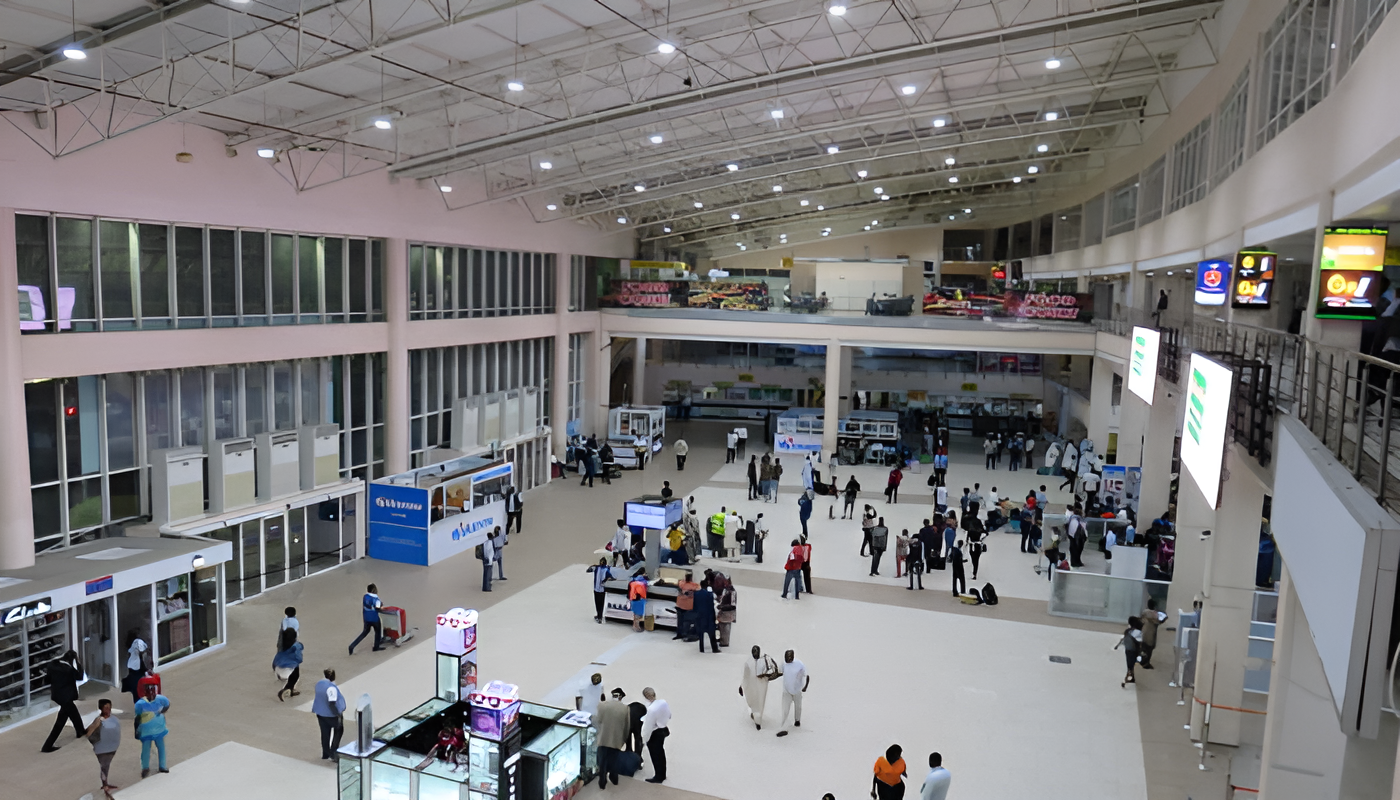
Egypt has announced the extension of its 96-hour free transit visa program for another year—now valid until the end of April 2026. The visa allows eligible travelers to stay in the country for up to four days without charge and can be obtained upon arrival at Cairo International Airport. While this move is primarily aimed at boosting inbound tourism, it also offers a unique window of opportunity for Black and African travelers in transit—especially those frequently journeying between the continent, the Gulf, and the West.
The visa program, first introduced in mid-2023 by EgyptAir and backed by the Ministry of Tourism and Antiquities, is part of Egypt’s broader strategy to increase visitor numbers, with a long-term goal of reaching 30 million tourists annually by 2028. In 2024 alone, Egypt welcomed 15.7 million tourists, bringing in over $14 billion in revenue. Authorities believe making short stays more accessible will increase hotel occupancy rates and encourage longer, return visits.
At first glance, the program seems like a technical tourism policy update—but its implications stretch far beyond that. For many Black and African travelers who often use Egypt as a layover hub—particularly through Cairo International Airport—this extension could mean more than just an easy stay. It’s a chance to connect briefly with the continent, explore heritage-rich sites, and even reunite with family while waiting for onward connections.
Consider the routes taken by African students flying between their home countries and universities in Europe or the Middle East, migrant workers heading to the Gulf states, or diaspora travelers from the Americas reconnecting with Africa. The Cairo hub serves as a vital link, and now—with this 96-hour visa—layovers become micro-journeys instead of inconvenient waiting periods.
But beyond convenience, there’s an emotional significance. For travelers of African descent, especially those in the diaspora with historical and cultural ties to the Nile Valley, even a four-day stay can carry deep meaning. It’s a brief but meaningful stop in a land considered central to African history and global Black heritage. This transforms a logistical transit point into a destination of personal and ancestral value.
For Black travelers seeking reconnection with Africa’s storied past, the extended visa opens access to Cairo’s Islamic heritage, Nubian art, and the enduring marvel of the pyramids—all without the need for complicated visa arrangements. Tourism Radio and Travel Radio platforms can use this moment to amplify stories of travelers who used their brief Cairo layovers to explore museums, attend local markets, or even discover parts of their family lineage.
Moreover, this development offers a rare lens through which to critique and reimagine mobility on the continent. While many African nations still impose stringent visa requirements on fellow African citizens, Egypt’s move toward easing transit restrictions—albeit temporarily—sets a different tone. It invites other countries to consider how visa policy can serve not just economic goals, but pan-African unity and cultural exchange.
There’s also space to challenge how African travelers are treated at borders. In global systems where passports from African nations are still among the least powerful, programs like this—if implemented equitably—can help counteract that marginalization. The key is ensuring that the benefits are felt by African nationals and diaspora travelers just as much as they are by Western or high-income tourists.