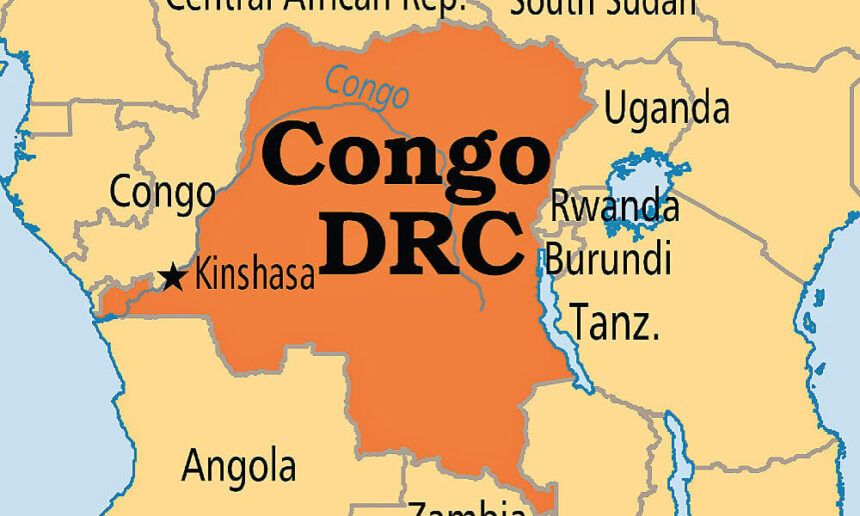
The United States and the Democratic Republic of Congo are in discussions over a potential agreement that would see the Central African nation accept migrants deported from the U.S. under a controversial “third-country” removal policy, according to diplomatic and government sources familiar with the matter.
The talks, which began in early April 2026, are part of a broader strategy by the U.S. government to accelerate the removal of undocumented migrants by relocating them to countries other than their home states a move that has drawn criticism from human rights advocates and legal experts.
READ ALSO: Uganda receives first African deportees from the U.S.
Details
Under the proposed arrangement, Congo would agree to accept individuals who cannot be returned directly to their countries of origin.
Officials involved in the discussions have not disclosed key details such as the number of migrants that might be transferred, the nationalities involved, or whether any financial compensation or logistical support would accompany the deal.
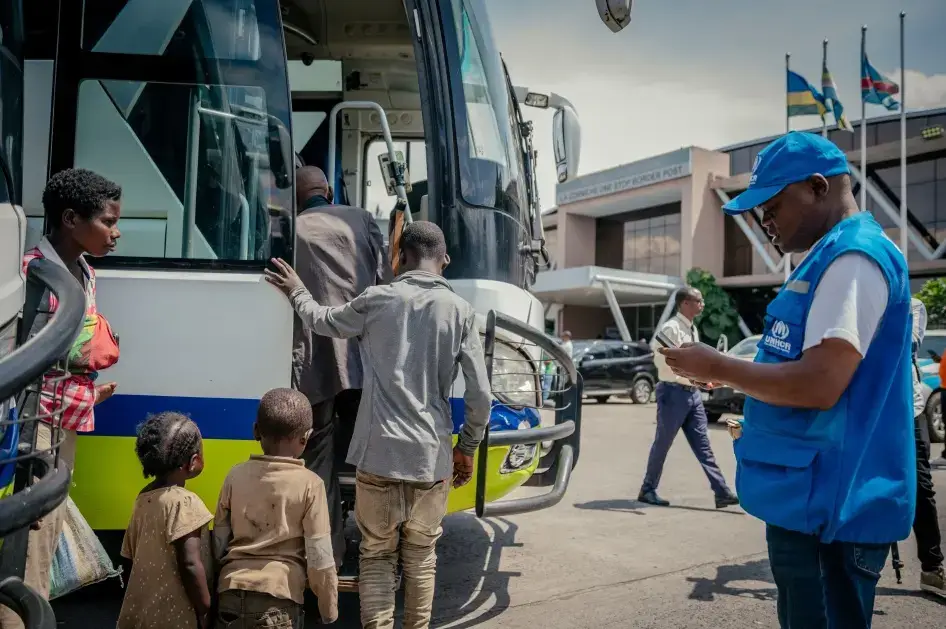
The policy reflects an expansion of the U.S. government’s use of third-country deportations, which has already seen deals struck with several African states including Ghana, Cameroon, Equatorial Guinea, and Eswatini.
A U.S. State Department spokesperson declined to comment on the negotiations, saying only that Washington “engages with partners around the world on a range of migration and border security issues.” Congo’s presidency also did not respond to requests for comment.
Some sources suggest that migrants under discussion could include people from South America, including Venezuelans, though this has not been confirmed by official channels.
Third-Country Deportations
Third-country deportations are part of a broader shift in U.S. immigration policy aimed at easing the backlog of removal cases and reducing pressure on domestic detention facilities. In recent years, African nations such as Eswatini and Rwanda have agreed to accept migrants from the U.S., sometimes in exchange for financial incentives or developmental support.
However, the practice has not been without controversy. Legal challenges have arisen in multiple jurisdictions, with critics arguing that sending individuals to countries where they have no ties can violate international norms and human rights protections.
For example, a coalition of rights groups challenged similar agreements in Eswatini, describing them as treating African nations as “dumping grounds for unresolved issues.”
Human Rights Watch has documented abuses in some contexts involving third-country deportations.
In one case, non-Cameroonian nationals deported from the U.S. to Cameroon were reportedly detained and mistreated, drawing further scrutiny of the practice.
Regional Implications
The potential Congo deal comes at a time when African governments are increasingly vocal about migration policy and sovereignty. Some African leaders have expressed concern that third-country deportation agreements could strain social services or undermine domestic legal protections for migrants and refugees.
Advocates argue that countries should focus on creating legal pathways for migration and strengthening protections for asylum seekers, rather than entering arrangements that might expose vulnerable people to harm. Critics of third-country deals contend that the practice sidesteps due process and could place migrants in precarious situations far from home.
In Uganda, for instance, the reception of deportees under a similar agreement with the U.S. sparked legal challenges from human rights organisations, which labelled the process “dehumanising” and urged courts to intervene.
What’s Next
For now, talks between the U.S. and Congo remain in early stages. Key questions about the scope of the agreement, the rights of migrants, and the support structures that would be put in place remain unresolved.
As Washington continues to pursue third-country deportations as part of its broader immigration strategy, observers in Kinshasa and across Africa are watching closely to see how this latest negotiation unfolds and what it might mean for regional migration dynamics and human rights protections in the months ahead