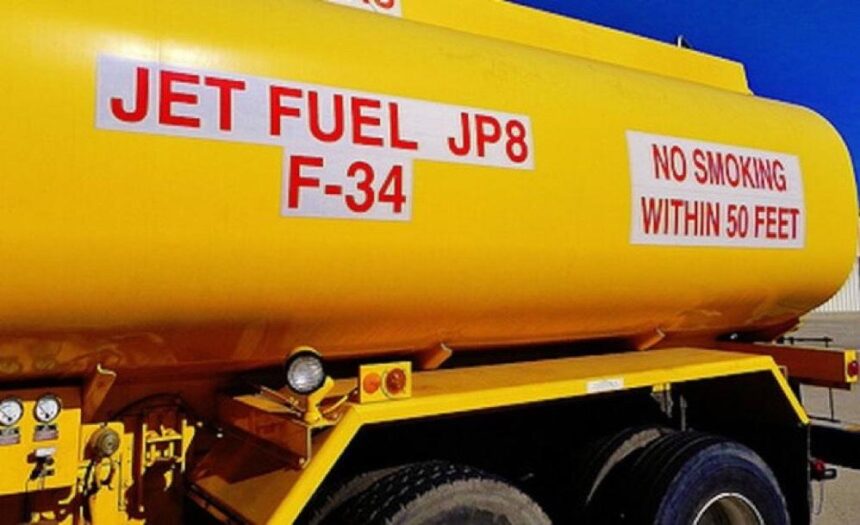
Nigerian airlines are struggling as aviation fuel (Jet A1) prices surge sharply.
Yet ticket fares remain largely unchanged due to intense market competition.
Industry sources say aviation fuel, the highest airline cost component, spiked from about ₦900 per litre in January to ₦2,557 per litre by late February 2026, a 184% increase in just months.
Airlines regularly cite aviation fuel as the single largest expense in operations, accounting for about 40% of total costs, followed closely by aircraft maintenance.
Despite the significant rise in fuel costs, domestic airfares have remained largely static, with typical one‑way tickets between ₦106,286 and ₦147,000 on major routes.
Aviation analysts warn that the current pricing structure may not be sustainable if fuel costs continue to climb.
READ ALSO: Nigeria Launches Fly Now Pay Later Scheme for Domestic Flights
Competition
A source at one local airline, speaking on condition of anonymity due to the sensitivity of the issue, said intense competition among carriers has constrained fare increases even as expenses rise.
Industry experts explain that carriers may be reluctant to raise ticket prices for fear of losing passengers already stretched financially, especially as alternatives like road travel remain available.
In some global cases, airlines facing steep fuel cost increases have introduced fuel surcharges or repriced tickets, though this has varied by market and demand conditions.
Data from fuel marketers show notable price differences at Nigerian airports: Sokoto tops the chat at ₦2,557 per litre, while Anambra, Asaba, and Lagos have the lowest with ₦2,528–₦2,500 per litre.
Industry Expert Warns of Unsustainable Trend
Aviation analyst Olumide Ohunayo said even if airlines raise fares, such increases might be insufficient to cover mounting operational losses due to the fuel price surge. He described the situation as “unsustainable” for operators.
Ohunayo highlighted that Nigeria’s aviation fuel costs remain comparatively high, and without industry relief measures , such as tax reductions, subsidies, or supply interventions, operators could face severe financial strain.
Airfare Pricing and Strategy
While airlines reportedly are reviewing pricing strategies, they are balancing the need to maintain market share against the financial imperative to cover rising aviation fuel costs.
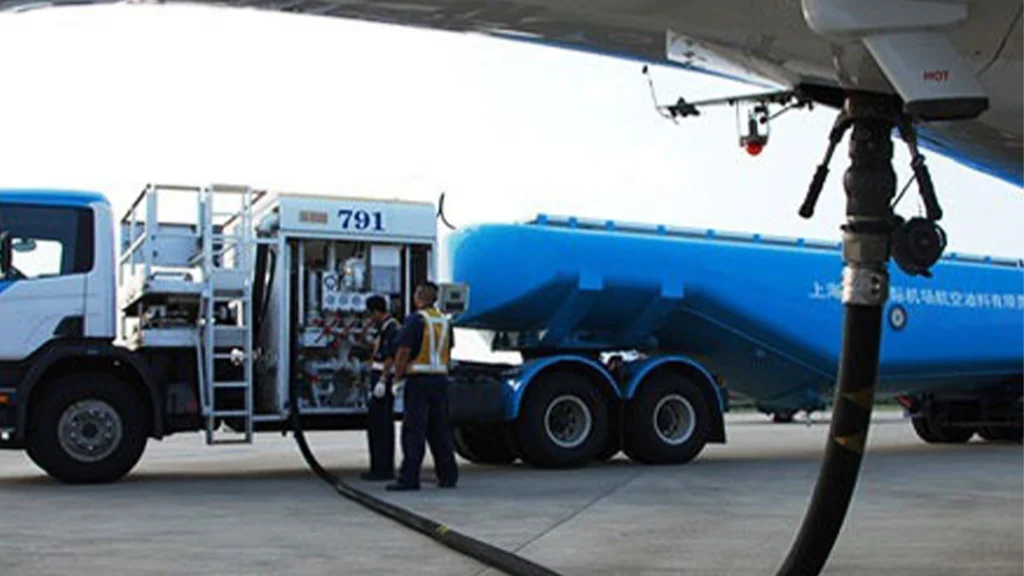
Analysts say fuel price volatility driven partly by global energy market disruptions continues to create uncertainty for airlines worldwide, prompting some carriers to reconsider fare structures and operational models.