Here are six upcoming African festivals coming up later in 2026:
1. OJUDE OBA FESTIVAL:
Ojude Oba is no longer just a cultural gathering, it’s becoming a premium heritage experience. Held annually in Ijebu-Ode, the festival blends Yoruba tradition with high fashion, equestrian displays, and age-grade pageantry.
It is held immediately after the Muslim festival Eid el Kabir. In recent years, it has drawn a growing number of diaspora Nigerians and international visitors, many of whom plan entire trips around the event.
Lai Mohammed, former Nigerian minister of Information and National Orientation, says the Ojude Oba festival is now a core tourism driver for Nigeria.
“Nigeria’s rich cultural festivals like Ojude Oba have the potential to attract tourists from across the world and significantly boost the economy.”
That statement reflects a broader policy push: positioning heritage festivals as exportable tourism products.
Tourism enthusiasts are itching to see what the 2026 edition has to offer.
2. UMHLANGA REED DANCE:
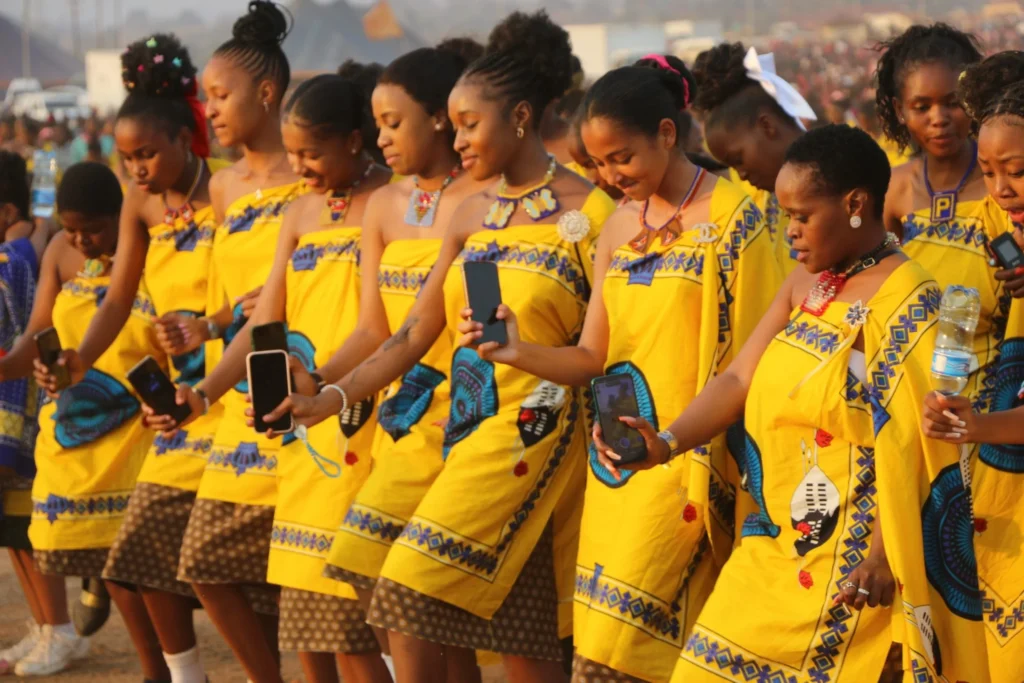
Eswatini’s Umhlanga Reed Dance remains one of Africa’s most talked-about cultural events, drawing both admiration and scrutiny.
Held annually and expected again in the August–September 2026 window, the ceremony brings together thousands of young women in a display of cultural identity tied to monarchy and tradition.
For Eswatini’s leadership, the festival is central to national branding.
KingMswati IIIhas publicly stated:
“Umhlanga is a symbol of unity and cultural pride for the nation.”
Despite global debates around its customs, the festival continues to attract international visitors curious about one of Africa’s most distinctive traditions.
3. OSUN-OSOGBO FESTIVAL
Set in the sacred Osun Grove, this UNESCO-recognised festival is one of Africa’s most spiritually significant events.
Each year, thousands gather in Osogbo to honour the river goddess Osun through rituals, processions, and cultural performances. By late 2026, tourism stakeholders expect another surge in international visitors, particularly from the African diaspora.
Adedoyin Salami, a leading Nigerian economist, has emphasised the economic angle:
“Cultural heritage sites and festivals like Osun-Osogbo can play a major role in diversifying Nigeria’s economy through tourism.”
The challenge, however, remains infrastructure—ensuring that visitor experience matches global expectations.
4. NORTHERN NIGERIA DURBAR
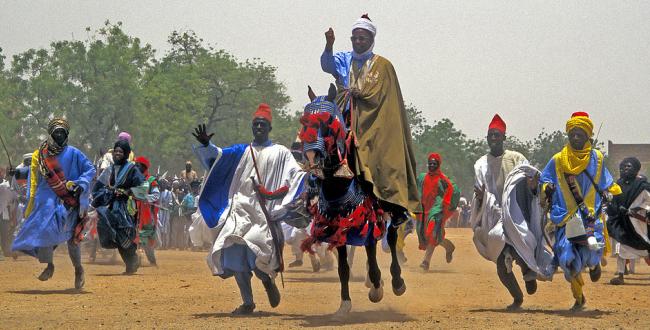
Few festivals match the visual scale of Durbar.
With its royal horse processions and emirate traditions, it remains one of Africa’s most iconic cultural displays.
Cities like Kano, Katsina, and Zaria are expected to host Durbar celebrations in the latter half of 2026, particularly around Islamic festive periods.
For cultural historians, its appeal lies in continuity.
Abba Isa Tijani is a Nigerian cultural administrator and heritage expert.
“Durbar represents a living tradition that has survived for centuries, and it continues to serve as a bridge between Nigeria’s past and present.”
Tourism operators are now packaging Durbar into curated travel experiences, targeting high-value visitors interested in history and royal heritage.
5. SAUTI ZA BUSARA FESTIVAL
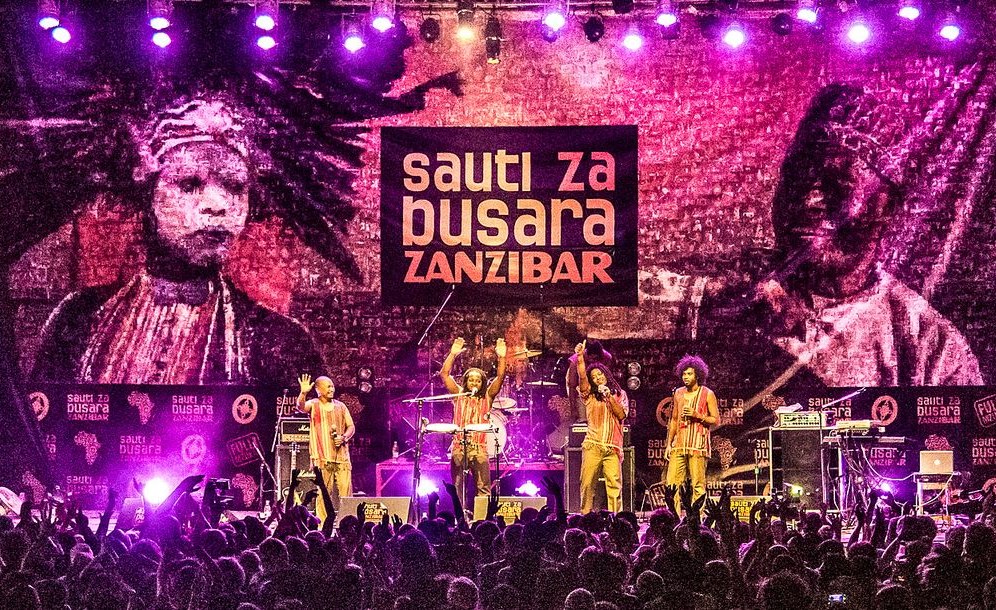
In Zanzibar, Sauti za Busara continues to prove that authenticity still sells.
The festival, expected to maintain strong international pull into late 2026 cycles, is known for its strict focus on African music and live performance.
It avoids over-commercialisation, a decision that has strengthened its global reputation.
Festival director Yusuf Mahmoud explains:
“Our vision has always been to showcase African music that is unique and performed live, because that is what connects people to the culture.”
That clarity of purpose has made it a benchmark for cultural festivals across the continent.
6. FELABRATION:
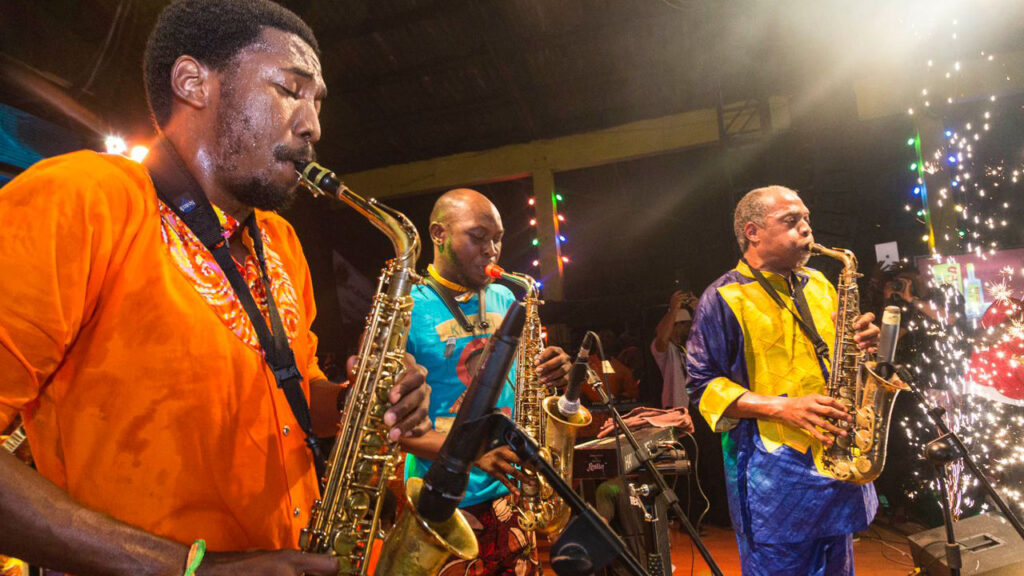
Felabration remains one of Nigeria’s most influential cultural festivals, staged annually in Lagos to honour the life and legacy of Fela Kuti.
By 2025, the event marked a major milestone (its 25th anniversary), cementing its status as both a music festival and a cultural movement.
Held primarily at the New Afrika Shrine, the week-long celebration blends concerts, debates, fashion, and political discourse, staying true to Fela’s legacy of music as a tool for resistance and social commentary.
The 2025 edition, themed “Shakara,” leaned into that identity with performances, symposia, and youth-focused activities.
What keeps Felabration relevant is its ability to evolve without losing its core message.
Speaking during the 2025 anniversary edition, founder Yeni Anikulapo-Kuti reflected on its journey:
“It’s incredible to see Felabration turn 25… it keeps getting better every year.”
That quote lands because it’s not just nostalgia, it’s proof of continuity. From a family-led tribute in 1998 to a globally recognised cultural event, Felabration has grown into a key fixture in Africa’s festival tourism ecosystem.
More than anything, it remains a living archive of Afrobeat; loud, political, and impossible to ignore.
Update
Across these five festivals, a pattern is emerging.
Africa is no longer waiting to be discovered.
It is curating its own narrative and selling it on its own terms.
There’s still work to do. Infrastructure gaps, visa bottlenecks, and funding challenges could slow momentum if not addressed.
But the fundamentals are strong: a young population, a powerful diaspora, and a cultural depth that can’t be manufactured.
As United Nations World Tourism Organization has consistently highlighted in its reports, cultural tourism remains one of the fastest-growing segments of global travel.
Africa is stepping into that space with confidence and finally, with structure.