
Nigerian citizens seeking to travel to the United States on short-term business or tourist visas are now subject to a new financial requirement that could significantly raise the cost of travel.
Under a pilot program administered by the US Department of State, certain applicants for B-1 (business) and B-2 (tourism) visas may be required to submit a refundable bond ranging from $5,000 to $15,000 before a visa is issued.
The measure is part of a broader effort by US authorities to curb visa overstays and strengthen immigration compliance.
Policy Framework
The visa bond scheme is anchored in provisions of the Immigration and Nationality Act (INA), which allows consular officers to require financial guarantees in certain cases.
READ ALSO: Hungary Golden Visa 2026: The Complete Guide to EU Residency From €250,000
According to the State Department, the programme targets countries identified through overstay data compiled annually by the US Department of Homeland Security.
In a public notice outlining the policy, the State Department said the pilot is intended to “encourage compliance with the terms of nonimmigrant visas and reduce overstay rates among certain categories of applicants“.
Nigeria has been included among countries subject to additional scrutiny under this framework.
Process
Under the policy, a consular officer may require an applicant after determining they are otherwise eligible—to post a bond before the visa is issued.
The amount is set at the officer’s discretion, within three tiers:
- $5,000
- $10,000
- $15,000
The State Department has not publicly disclosed the criteria used to determine the exact amount.
Payments must be made through the official US government platform, Pay.gov, managed by the US Department of the Treasury.
Officials have warned applicants against using third-party services.
“Visa applicants should only make payments through official US government channels. The Department does not assume responsibility for funds transferred through unauthorized platforms,” the State Department said in its guidance.
Refund Conditions
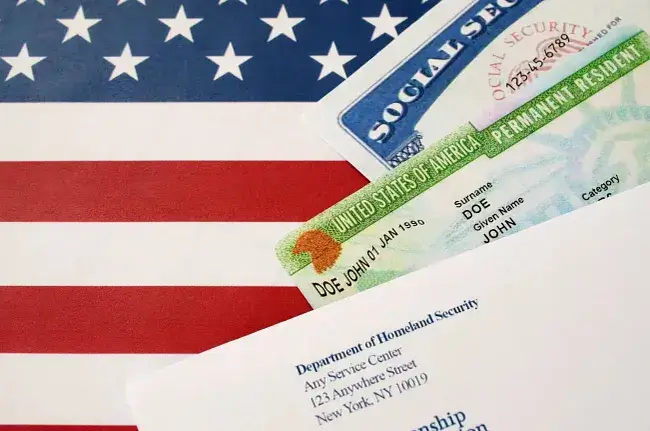
The bond is refundable, but only if strict conditions are met.
Applicants may recover the funds if they:
- Depart the United States within their authorised period of stay
- Exit through a commercial airport where departure records are verifiable
- Or do not use the visa before its expiration
The policy restricts exit routes to commercial air travel, excluding land borders, sea ports, and private or charter flights.
US Customs and Border Protection records are used to confirm compliance.
No Visa Guarantee
Immigration experts note that paying the bond does not guarantee visa issuance.
A consular officer retains the authority to refuse a visa application at any stage, including after the bond requirement has been met.
“A visa bond is not a substitute for eligibility,” the State Department said. “Applicants must still satisfy all requirements under US immigration law.”
Broader Visa Restrictions
The bond requirement operates alongside existing US visa restrictions affecting Nigerians.
Under Presidential Proclamation 10998, issued earlier in 2026, certain categories of visas including tourist and exchange visas are subject to additional limitations.

While applications remain open, consular officers maintain wide discretion over approvals.
Impact on Nigerian Travellers
The financial implications are significant.
For many Nigerians, the bond requirement represents a substantial upfront cost, potentially limiting access to travel for tourism, business meetings, medical care, and family visits.
Immigration advisers have urged caution.
“Applicants should ensure they fully understand the requirements and risks before committing funds,” immigration guidance from US authorities states.
Outlook
The State Department has described the visa bond programme as a pilot initiative, indicating that it may be expanded, modified, or discontinued based on outcomes.
For now, however, the policy marks a notable shift in US visa processing for Nigerians—introducing a financial threshold that did not previously exist at this scale.