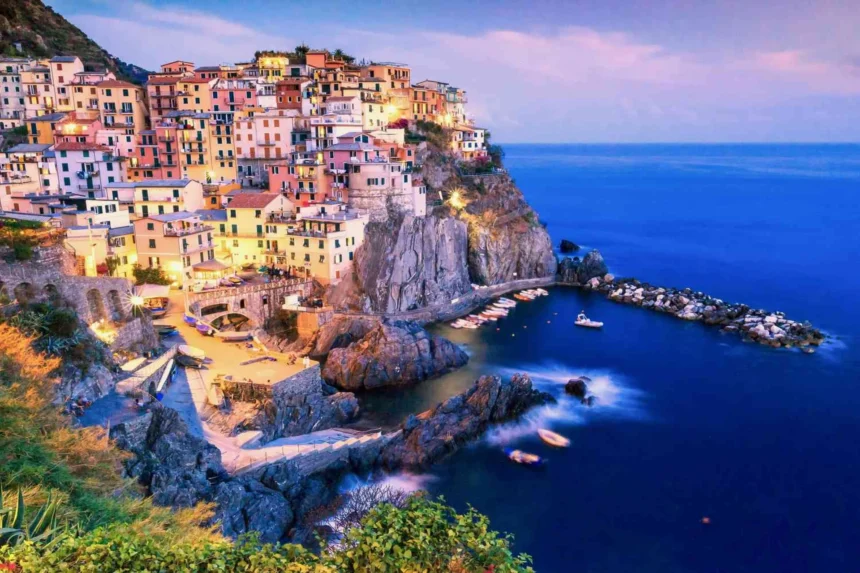
Remote work visas are expanding rapidly worldwide, giving remote professionals more options to live and work abroad legally while keeping their jobs.
According to industry research, more than 40 countries now offer visas designed for remote workers in 2026, particularly in Europe, the Americas, Africa, and Asia, as nations compete to attract global talent and boost their economies.
What Are Remote Work and Digital Nomad Visas?
Remote work visas (often called digital nomad visas) allow people to live and work in a foreign country while employed by a business outside that country. Unlike traditional tourist visas, which usually don’t permit sustained work, digital nomad visas give you legal permission to perform your job remotely from abroad for an extended period — typically from six months up to two years or more.
These visas vary widely by country, but most require applicants to show proof of income, health insurance, and sometimes bank statements or other documentation.
🌍 Africa — Accessible Remote Work Opportunities
🇨🇻 Cabo Verde

Cabo Verde’s remote work visa is gaining traction among digital nomads seeking a tropical base. Applicants typically need to show:
- Proof of remote income or employment
- Health insurance valid in Cabo Verde
- No criminal record
Read Also: DISCOVER THE WONDERS OF CABO VERDE
Once approved, remote workers can legally reside on the islands — known for warm climate, stable internet in urban areas, and a relaxed lifestyle.
🌴 Mauritius

Mauritius offers one of the most streamlined remote work programs in Africa. Its “Premium Visa” allows long-term stays for remote employees and freelancers without the need for in-country work sponsorship. Requirements include:
- Valid passport
- Proof of remote income above a set threshold
- Insurance covering your stay
Read Also: About Mauritius
Mauritius emphasizes family-friendly visa terms and the chance to live in a politically stable, English-speaking island environment.
🇳🇦 Namibia
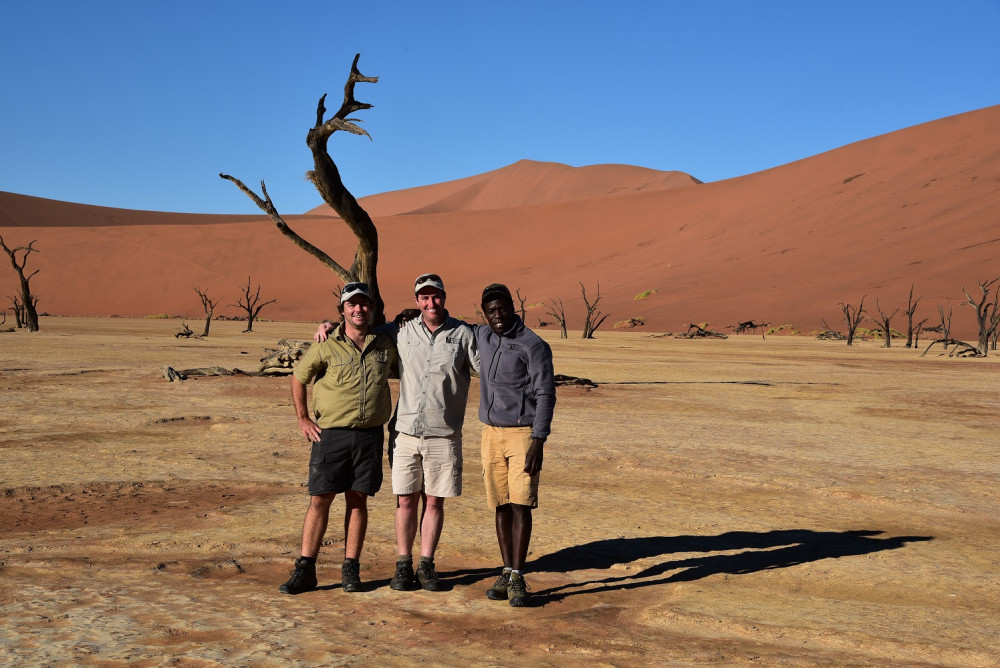
Namibia’s remote work permit is an option for those willing to live outside the well-known safari and desert tourism circuits. Key points:
- Applicants must present bank statements and proof of ongoing remote work
- Permit costs and processing times are competitively low
- The visa is tied to proof of sustainable income
Namibia appeals to those interested in nature, wide-open landscapes, and a slower pace of life.
Also Read: Travel the World with Ease: Exploring the Visa-Free Privileges of a Guinea Passport
🇨🇦 Central and North America — Flexible Nomad Options
🇨🇷 Costa Rica
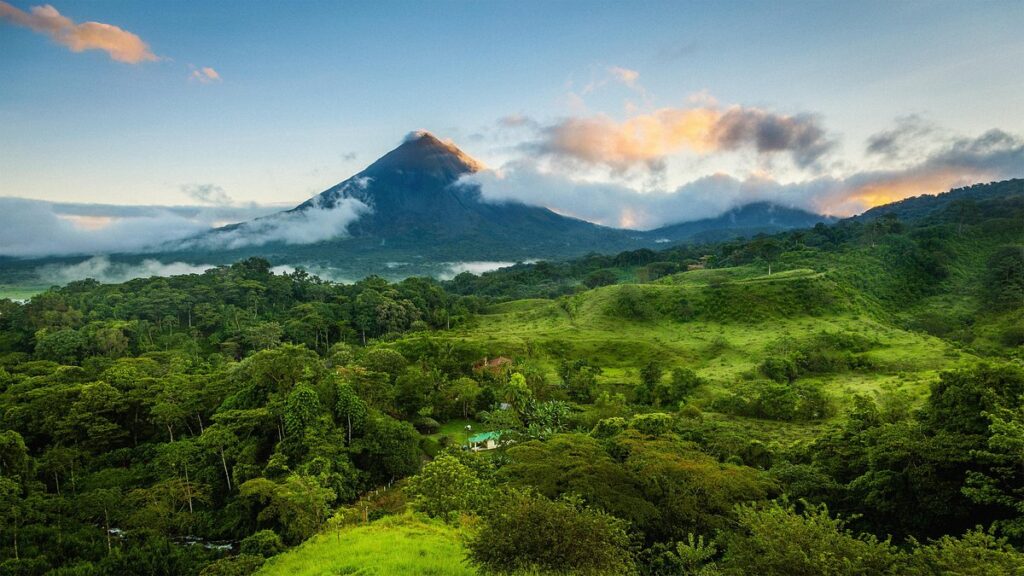
Costa Rica’s “Rentista” visa is structured for self-sufficient workers. To qualify you generally need:
- A steady monthly income (often around $2,500 or equivalent)
- Bank or financial documentation
- Temporary residence documentation
Benefits include access to Costa Rica’s high quality of life, universal healthcare system options, and beautiful natural surroundings.
🇨🇦 Canada
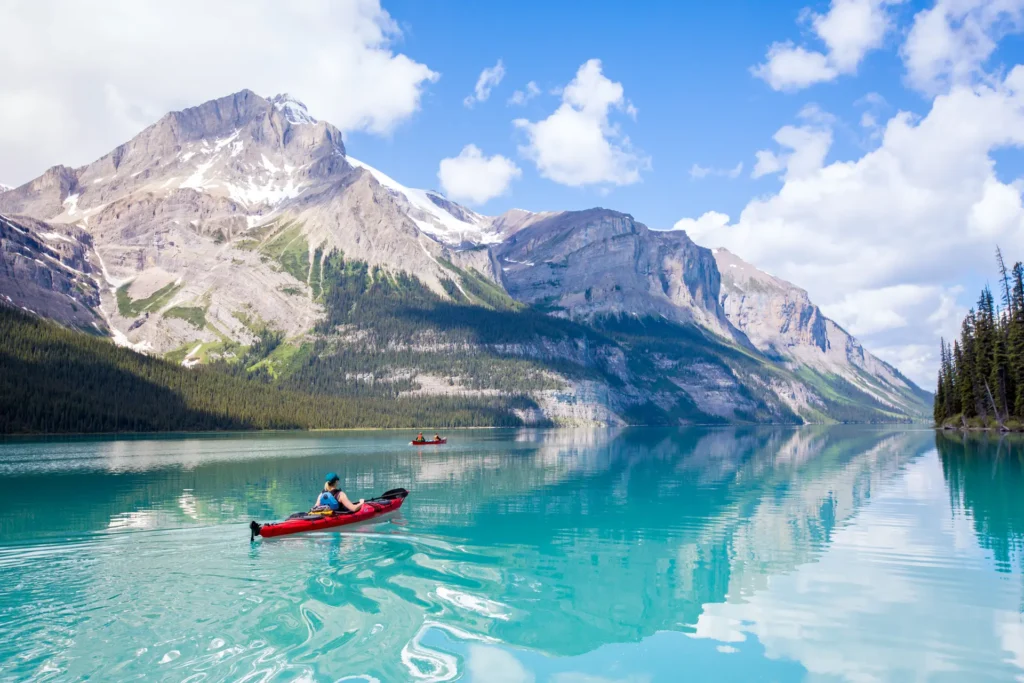
While Canada does not yet offer a formal digital nomad visa, it allows remote workers to use a visitor status to live and work remotely for up to six months, as long as:
- Their employer is based outside Canada
- They are not providing services to a Canadian company
Canada’s visa ecosystem is evolving, and some global remote workers enter first on a visitor visa while looking into longer-term pathways.
🇲🇽 Mexico
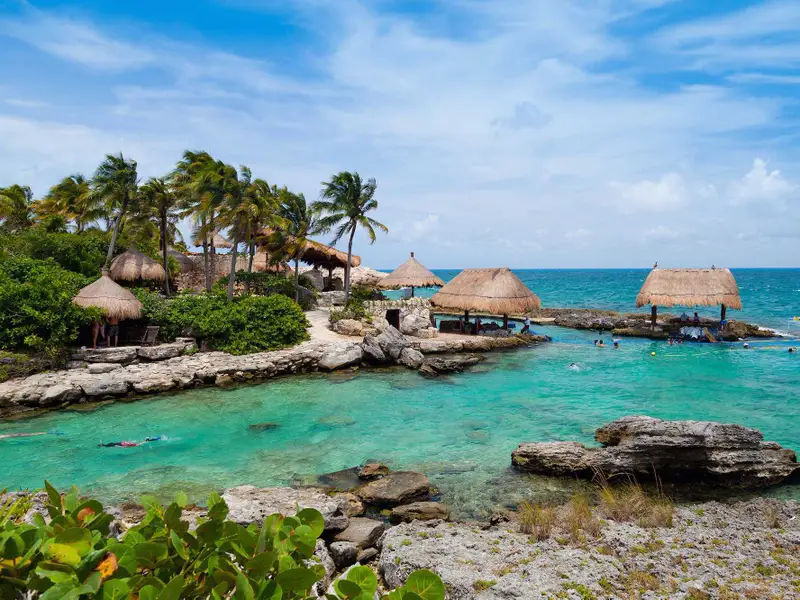
Mexico’s remote work options have become popular due to low living costs and easy visa access. Requirements include:
- Proof of funds or steady income
- Bank statements and employment verification
- Visa application through a Mexican consulate
Once approved, remote workers may stay for up to 180 days, making Mexico a favourite for seasonal nomads and long-stay visitors.
Read Also: Denmark Introduces Visas For Mechanics, Bricklayers, Welders, Others
🇪🇺 Europe — Structured Stays With Cultural Access
🇭🇷 Croatia
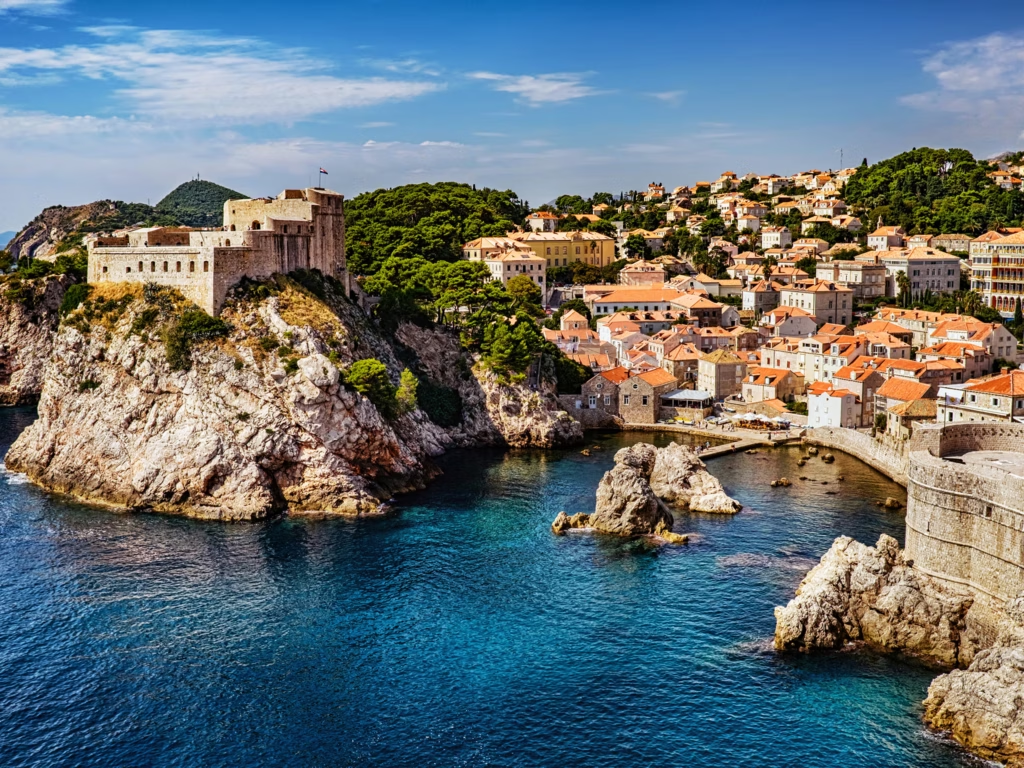
Croatia’s digital nomad visa is one of the most talked-about in Europe, offering:
- One-year residency for remote workers
- Tax advantages for qualifying applicants
- Ability to bring family members on dependent visas
The country’s coastal charm, high-speed internet, and robust tourist infrastructure make it ideal for remote workers who value lifestyle alongside business access.
🇪🇪 Estonia
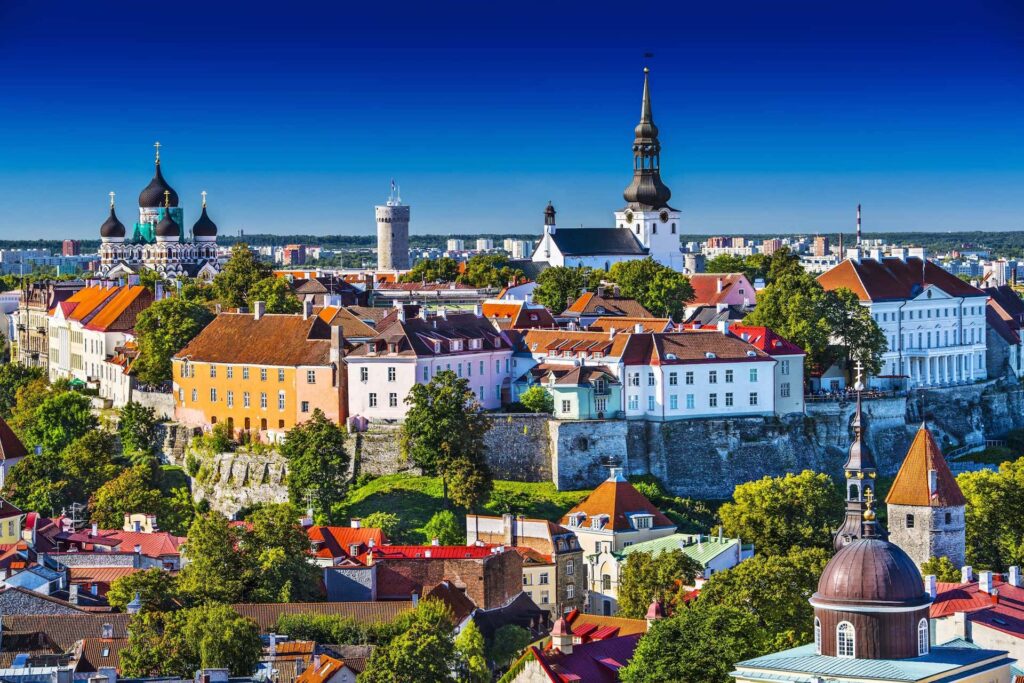
Estonia has been at the forefront of digital nomad innovation:
- Its remote work visa lets you stay up to 12 months
- Applicants need proof of earnings and a stable internet-based job
- Estonia also offers e-residency that simplifies business operations in the EU
Tallinn, Tartu, and other Estonian cities are known for strong digital infrastructure and vibrant tech communities.
🇬🇷 Greece
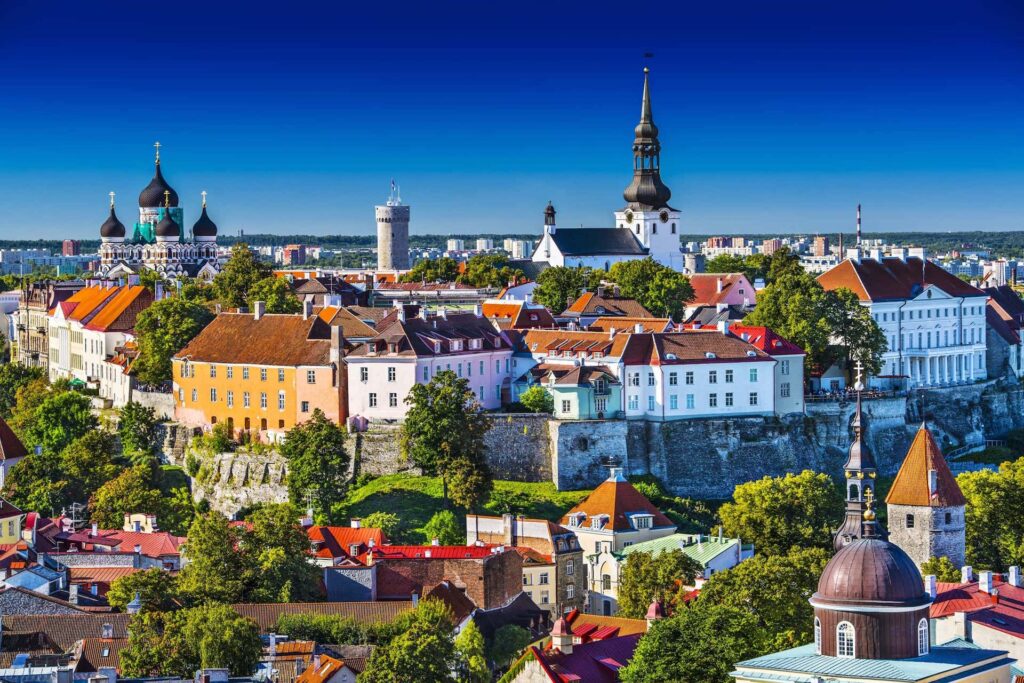
Greece’s remote work program is tailored for those seeking sun, culture, and history. Key features:
- A one-year digital nomad residence permit
- Proof of income and health insurance
- Possible tax incentives for remote workers
Greece’s Mediterranean lifestyle and access to European travel corridors make it a compelling location.
🇪🇸 Spain

Spain’s remote work permit (part of its broader immigration reform) allows remote workers to apply for residency while working for a foreign employer. Highlights include:
- Pathway from temporary stay to longer-term residency
- Integration opportunities with Spain’s healthcare and social systems
- No strict local employment requirement
It is a must-see destination.