The recent brutal attack in Pahalgam, Indian-administered Kashmir, which claimed the lives of at least two dozen tourists, casts a dark shadow over the region’s fragile peace and raises critical questions about the lived realities of its predominantly Muslim population. While global leaders have swiftly condemned the violence, the incident demands a deeper examination of its impact, particularly through the lens of the Black, African, and diasporan experience of marginalization, misrepresentation, and the struggle for self-determination.
For many, the narrative of Kashmir as a burgeoning travel destination, a “Switzerland of India” promoted by the central government to boost tourism and the wider travel landscape, now rings hollow. The idyllic images of Himalayan peaks and serene valleys are starkly contrasted by the horrifying scenes of bloodshed, shattering the carefully constructed image of a region transitioning towards normalcy. This dissonance mirrors the often-romanticized portrayals of Africa and the diaspora, which frequently ignore the underlying complexities of political strife, social inequalities, and the ever-present threat of violence.
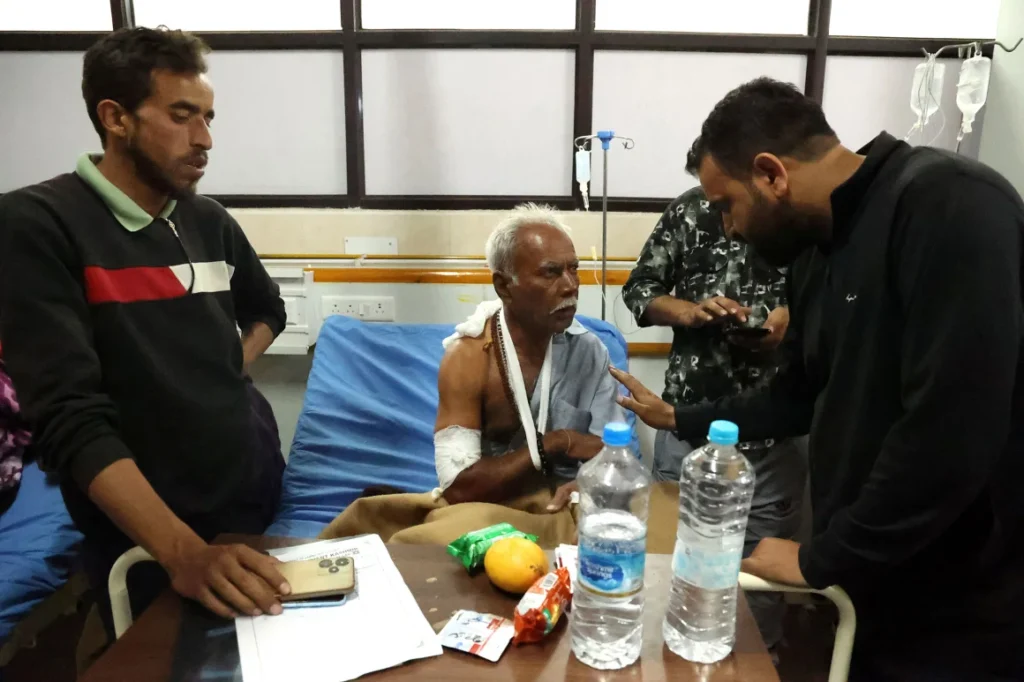
The attack, unusual in its targeting of tourists, serves as a stark reminder of the unresolved conflict that has plagued Kashmir for decades. The decades-long insurgency, fueled by a desire for self-determination in a Muslim-majority region claimed by both India and Pakistan, has disproportionately impacted the local Kashmiri population. Their aspirations and grievances are often obscured by the broader geopolitical narratives, much like the voices and experiences of Black and African communities are frequently sidelined in global discussions.
The response to the attack, with India vowing to bring the perpetrators to justice and tightening security, is predictable. However, it is crucial to consider whether such measures address the root causes of the violence or further entrench a security-centric approach that may inadvertently alienate the local population. For Black and African communities globally, the over-securitization of their spaces and the presumption of guilt are all too familiar experiences.
The claim of responsibility by a little-known militant group, “The Kashmir Resistance,” citing the demographic shift due to the influx of “outsiders” as tourists, adds another layer of complexity. This sentiment, however misguided in its violent expression, reflects underlying anxieties about cultural identity and potential marginalization – concerns echoed by many minority groups worldwide, including Black and African diasporan communities facing gentrification and cultural erasure.
The economic impact of the attack on Kashmir’s tourism and overall economy is undeniable. The cancellations reported by travel news outlets and the rush of tourists seeking to leave highlight the vulnerability of a region dependent on external perceptions of safety. This mirrors the economic precarity often faced by nations and communities heavily reliant on industries susceptible to external shocks and negative portrayals.
Furthermore, the accusations leveled by some Indian voices against Pakistan, despite denials from Islamabad, risk escalating regional tensions. This familiar pattern of blame and the externalization of internal conflicts often distracts from addressing the genuine grievances and political aspirations within the affected region. For Black and African nations, the legacy of colonial interference and the perpetuation of external narratives have frequently hindered their own paths to stability and self-governance.

The voices of local Kashmiris expressing sorrow and shame over the attack, while also fearing a backlash and the perpetuation of anti-Kashmiri and anti-Muslim sentiment, are particularly poignant. Their vulnerability in the face of both violence and potential stigmatization resonates with the experiences of marginalized communities globally who are often collectively blamed for the actions of a few.
In contrasting the immediate condemnation of the attack with the underlying issues of political autonomy and historical grievances in Kashmir, a crucial parallel emerges with the ongoing struggles for justice and recognition faced by Black, African, and diasporan communities. Just as the beauty of Kashmir has been used to mask the underlying tensions, so too are the contributions and resilience of Black and African people often overshadowed by narratives of conflict and underdevelopment.
This tragic event in Kashmir serves as a potent reminder that true and lasting peace requires not only the suppression of violence but also a genuine commitment to addressing the root causes of conflict, respecting the aspirations of all communities, and challenging the misrepresentations that perpetuate cycles of marginalization. The global community must look beyond the immediate travel news and tourism headlines and engage with the complex realities on the ground, amplifying the voices of those most affected and advocating for solutions that prioritize justice, dignity, and self-determination for all.