Planning an eco-friendly safari in 2025 isn’t just about ticking a wildlife adventure off your bucket list. It’s more intentional. It’s about traveling with purpose.
Interestingly, more explorers are embracing ethical safari travel. The focus has shifted from simply spotting lions or elephants to protecting the fragile ecosystems they call home.
In 2025, an eco-friendly safari represents the future of wildlife tourism; one rooted in respect, conservation, and community. Ethical safari travel is essential for protecting fragile habitats and supporting local livelihoods. More so, through sustainable safari planning, travelers can reduce their carbon footprint, choose eco-certified operators, and engage in responsible safari tourism practices that leave a positive impact.
Some Eco-Friendly Safari Destinations
When planning an eco-friendly safari in 2025, your choice of destination sets the tone for the entire experience. Here are top picks for ethical safari travel and responsible safari tourism:
- Kenya’s Maasai Mara Conservancies: Here, you get to experience world-class wildlife viewing in community-managed areas that prioritise conservation and cultural preservation. This is one of our top sustainable safari destinations that offer fewer vehicles, less crowding, and direct benefits to local Maasai communities.
- Amboseli National Park, Kenya: This destination is known for its iconic elephant herds and views of Mount Kilimanjaro. The park also supports ongoing conservation efforts and eco-tourism initiatives. So it’s perfect for travellers committed to sustainable safari planning.
- Costa Rica’s Corcovado National Park: This park is home to jaguars, tapirs, and scarlet macaws. It’s a biodiversity hotspot that models responsible wildlife tourism.
- Tortuguero National Park, Costa Rica: This destination is ideal for eco-travelers who want to witness sea turtle nesting while supporting local conservation projects and ethical safari tours.
- Private Conservancies and Eco-Reserves: From Ol Pejeta in Kenya to Monteverde in Costa Rica, privately run conservation areas often lead the way in low-impact safari travel, offering guided experiences with minimal environmental footprint.
Selecting Ethical Safari Operators
Finding the right tour company is essential for an eco-friendly safari in 2025. A reputable operator will prioritise conservation, wellbeing of the local community, and educate you when possible.
Here’s how to choose the best for ethical safari travel:
- Look for eco-certifications: Choose operators accredited by relevant authorities, such as the Global Sustainable Tourism Council (GSTC) or certifications like B Corp. A licensed certification shows genuine responsible safari tourism practices.
- Choose companies that support community partnerships: Operators working with local guides, artisans, and homestays ensure your travel dollars strengthen nearby communities. Whereas, such an attribute is a cornerstone of ethical safari tours.
- Ask about group sizes: Smaller safari groups minimise environmental impact, enhance wildlife sightings, and align with low-impact safari travel principles.
- Review their environmental policies: Choose companies that use renewable energy, reduce plastic waste, and operate carbon-neutral safari travel programs.
Also Read: Surprising Facts About Bees! Tips Safari Lovers Should Know
Eco-Friendly Accommodation Choices
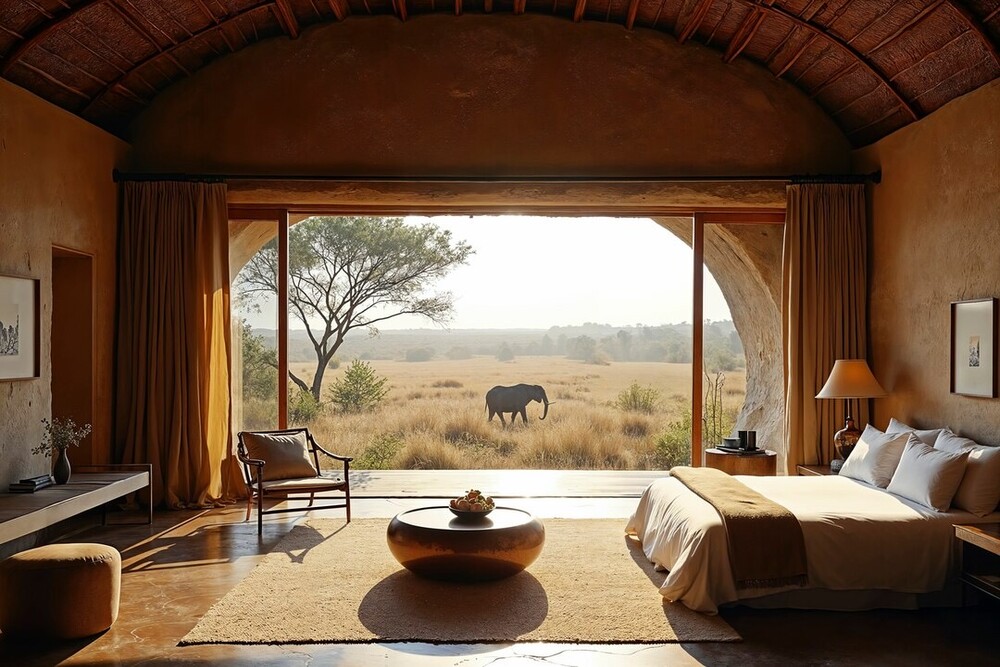
Image source: Freepik
Where you stay during an eco-friendly safari in 2025 can greatly influence your environmental impact. So, opt for the right lodgings, and ensure your sustainable safari planning supports both nature and local livelihoods.
- Choose solar-powered camps: Safari camps and lodges that run on renewable energy reduce carbon emissions, aligning with low-impact safari travel goals.
- Support water conservation lodges: Pick places that use water-saving technologies, greywater recycling, and rainwater harvesting for a truly sustainable safari destination experience.
- Opt for plastic-free stays: Many ethical safari travel lodges have eliminated single-use plastics, providing refillable water stations and eco-friendly toiletries.
- Select locally owned properties: Locally operated lodges keep revenue within communities, enhancing community-based tourism safari benefits.
Responsible Wildlife Viewing Practices
It’s also important to follow ethical safari travel guidelines, which ensures that you keep yourself safe while also protecting the animals and their habitats.
- Keep a safe distance: Maintain the recommended space between you and the animals to avoid stress or disruption, a key rule in responsible wildlife viewing.
- Follow park rules and guide instructions: Local guides understand conservation priorities, making them essential to responsible safari tourism.
- Limit noise and movement: Speak softly, move slowly, and turn off camera flash to avoid startling wildlife during sustainable safari travel experiences.
- Stay on designated paths: Driving or walking off-track can damage fragile habitats, undermining low-impact safari travel efforts.
Conclusion
An eco-friendly safari in 2025 is a commitment to protecting wildlife, preserving habitats, and empowering local communities. By choosing ethical safari travel and embracing sustainable safari planning, you ensure that your journey leaves a positive legacy for both nature and people. Travel with purpose, tread lightly, and let your safari be remembered not only for the breathtaking views but also for the difference it made.
Join Travelradio.live leading travel conversations on Spotify.
FAQs
What is an eco-friendly safari?
An eco-friendly safari is a wildlife experience designed to minimise environmental impact, support conservation, and benefit local communities through responsible safari tourism.
What destinations are best for sustainable safaris?
Top destinations include Kenya’s Maasai Mara Conservancies, Amboseli National Park, and Costa Rica’s Corcovado and Tortuguero National Parks.
What should I pack for an eco-friendly safari?
Bring reusable water bottles, biodegradable toiletries, solar chargers, and eco-friendly clothing for a sustainable safari experience.
How does responsible wildlife viewing help conservation?
It prevents stress and harm to animals, maintains natural behaviors, and supports long-term habitat protection.
Is community-based tourism part of an eco-safari?
Yes, buying local, staying in community-owned lodges, and joining respectful cultural experiences all contribute to community-based tourism safaris.
Read Next: Cottar’s Safaris in Kenya, The Ultimate Luxury Safari Escape
Please share your eco-friendly journey experience with us in the comment below👇