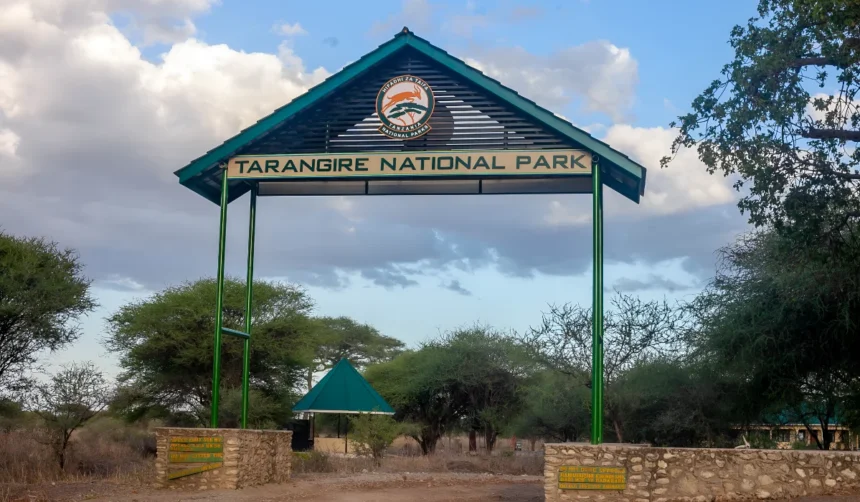
In the heart of northern Tanzania, Tarangire National Park is emerging as a compelling alternative for safari enthusiasts seeking an authentic wildlife experience away from the bustling Serengeti-Ngorongoro circuit.
As Tanzania’s sixth-largest national park, Tarangire offers dramatic concentrations of animals, iconic landscapes, and a peaceful atmosphere that contrasts sharply with the more commercialised and crowded popular routes.
The park is renowned for its vast elephant herds, with groups of up to 300 individuals gathering along the Tarangire River during the dry season.
This seasonal migration draws approximately 250,000 animals, including large buffalo and zebra herds, as well as predators such as lions and leopards.
Rarer species like fringe-eared oryx and gerenuk add to the diversity, while birdwatchers can spot over 500 recorded species, including endemic yellow-collared lovebirds.
Unreal Nature

The landscape provides a striking backdrop: ancient baobab trees—some exceeding 600 years old—dot expansive floodplains, grasslands, and riverbanks.
These features create a photographer’s paradise, with golden light illuminating herds in the late afternoon and panoramic views extending toward Lake Manyara, Mount Kilimanjaro, and the Great Rift Valley escarpment.
Stand-out
Compared to the Serengeti, Tarangire delivers similar wildlife density during peak periods but with significantly fewer visitors and vehicles.
This results in a more intimate and exclusive safari, free from the “herd mentality” of tour groups that often characterise the northern circuit’s flagship destinations.
Tarangire’s slightly off-the-beaten-path location—accessible by a roughly two-hour road transfer from Arusha or flights to Kuro Airstrip—further enhances its sense of seclusion.

The park boasts genuine year-round appeal.
The dry season (June to October) stands out as the prime time for game viewing, particularly in October when animal concentrations peak around water sources.
The short rains (November–December) refresh the scenery with wildflowers and migratory birds, while February and March excel for birdwatching.
Even the wetter months of April and May offer lower visitor numbers and competitive pricing for those seeking a quieter adventure.Accommodation options are expanding to meet growing demand.
New luxury developments, such as the Siringit Tarangire Camp (opening in June 2026), feature eight elevated tented suites with private decks, a swimming pool, gym, and all-inclusive dining crafted by a Michelin-starred chef.
Established properties like Elewana Tarangire Treetops provide 20 treehouses integrated among thousand-year-old baobabs, offering elevated views of the surrounding wilderness.
Activities extend beyond standard game drives to include walking safaris, night drives for nocturnal species, and hot air balloon excursions over the baobab-studded plains.

Cultural interactions with nearby Maasai communities add depth to itineraries.
Tarangire’s rise reflects a broader shift among operators and travellers toward sustainable, less crowded alternatives within Tanzania’s renowned northern circuit.
For those prioritising tranquillity, exceptional elephant sightings, and distinctive scenery, this park delivers a genuinely rewarding safari experience—often described as one of East Africa’s best-kept secrets.
Prospective visitors are encouraged to incorporate Tarangire into their plans, whether as a standalone destination or a serene complement to other Tanzanian highlights.