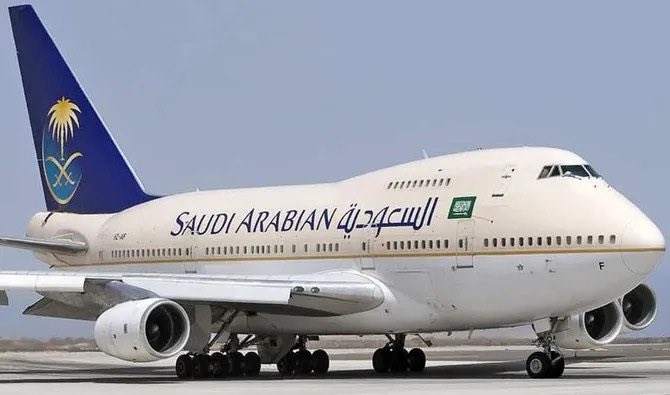
Millions of Nigerians travelling to Saudi Arabia for Hajj, Umrah, and business are set for a major boost after Saudi Arabia formally confirmed the resumption of direct flight operations between Jeddah and Abuja, one of the most strategically important aviation routes connecting West Africa to the Middle East.
Saudi Arabian Ambassador to Nigeria, Yousef Albalawi, confirmed that Saudi airlines will restart flight operations from Jeddah to Abuja in June 2026 or by January 2027 during a high-level courtesy visit to Nigeria’s Minister of Information and National Orientation, Mohammed Idris, in Abuja.
The Ambassador said the visit was to strengthen the existing relationship between Saudi Arabia and Nigeria and to enhance opportunities to work together across economic, political, and security sectors, adding:
“We will continue to serve all Nigerian people who want to go for Umrah and Hajj.”
Why This Matters for Nigerian Travellers
The suspension of the Jeddah–Abuja direct route had created significant logistical frustrations, forcing tens of thousands of passengers to rely on expensive and time-consuming connecting flights through third-country hubs.
Read Also: Nigeria Gives Greenlight For Direct Flights to Barbados
Nigeria consistently ranks among the largest sources of Hajj pilgrims in the world, with hundreds of thousands undertaking the sacred journey every year, making the direct route not merely a commercial convenience, but a critical lifeline for Nigerian Muslims.
The resumption is expected to drastically reduce travel times, lower airfares, and simplify the Hajj and Umrah logistics process for Nigerian pilgrims, travel agencies, and the National Hajj Commission of Nigeria.
Ambassador Albalawi also pledged to work closely with Nigeria’s Ministry of Information and the media to correct misinformation about Saudi Arabia and project a more accurate image of the Kingdom, saying:
“We share the same values and also have a historical relationship with Nigeria.”
The resumption of Jeddah–Abuja flights is expected to serve as a catalyst for deeper economic engagement allowing pilgrims, investors, business leaders, and government officials to move more seamlessly between the two countries.