It is 40 days away, but residents of Lagos are already gearing up for the 2026 Fanti Carnival slated for April 6.
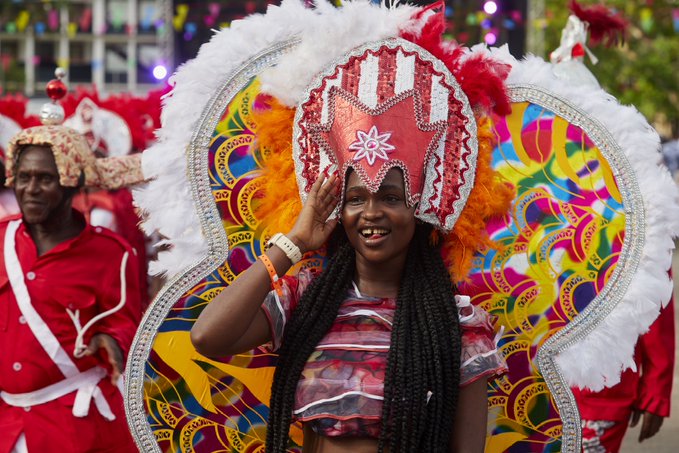
The Fanti carnival is a spectacular celebration of Afro-Brazilian culture that is widely regarded as the biggest of its kind in West Africa.
In an official statement, the Lagos State Government described the carnival as “a homecoming — a bridge between past and future, tradition and modernity,” emphasising its role in strengthening ties between West Africa and the diaspora.
“Through vibrant processions, ancestral music, breathtaking costumes, and communal gatherings, this carnival is a homecoming, a bridge between past and future, tradition and modernity.”
THE COUNTDOWN IS ON! ONLY 40 days to Africas Biggest Afro Brazilian Street Experience!
Join the procession, witness the spectacle – FANTI IS COMING!
Date: Monday, 6th April 2026
Venue: TAFAWA BALEWA SQUARE!
Register to attend (limited free tickets available)… pic.twitter.com/Qe3RGC4vds
— The Lagos State Govt (@followlasg) February 25, 2026
Background
The Lagos Fanti Carnival , also known as the Caretta Carnival, is the most prominent carnival in West Africa.
It is usually held during the Lagos Black Heritage Festival and traces its origins to the Lagos colonial period, when Yoruba-Brazilian former slave returnees came back to reside in Lagos in the 19th century.
Get dressed, and strike a pose the FANTI way!
At the Lagos Fanti Carnival, style is personal, and every look tells a story.
Join us this year. April 6. Tafawa Balewa Square.
Tickets are going fast. Register now: https://t.co/WlhXMUTEod.#LagosFantiCarnival2026 pic.twitter.com/bMw4t9hIPm
— Lagos Fanti Carnival (@lagosfanti) February 26, 2026
The carnival portrays an eclectic mixture of Nigerian, Brazilian, and Cuban heritage and was reinstated in 2010.
The festival is often described as the “Rio of Africa,” honouring the legacy of Afro-Brazilian returnees who brought with them a rich tapestry of samba rhythms, elaborate costumes, and street performance traditions that have since become integral to Lagos’s cultural identity.