
The Organisation of Eastern Caribbean States (OECS) has backed a historic direct flight linking the Caribbean to Africa, marking a major shift in global travel and economic cooperation.
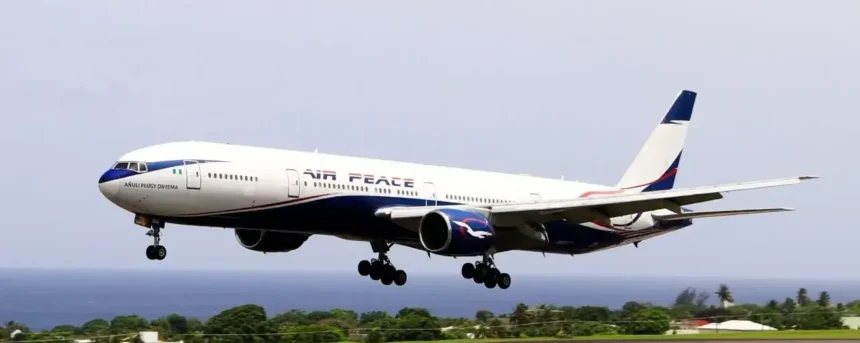
The milestone flight departed from St. Kitts on March 21, 2026, heading straight to Abuja, eliminating the need for long stopovers in Europe or North America.
A Direct Bridge Across the Atlantic
The charter flight carried more than 100 passengers, including government officials, business leaders, and cultural figures from eight Caribbean nations.
It landed the next day at Nnamdi Azikiwe International Airport, creating the first large-scale commercial air link of its kind between the two regions.
By cutting travel time from over 30 hours to a single direct journey, the initiative signals a new era of connectivity.
READ ALSO: 64 Countries Nigerian Passport Can Travel Visa Free
More Than Just a Flight
This was not just about moving passengers, it was about building a corridor for trade, tourism, and investment.
The flight also marked the opening of the Afri-Caribbean Investment Summit, where leaders are discussing opportunities in agriculture, the blue economy, and cross-border investment.
Organisers say the move proves that direct air links between the Caribbean and Africa are commercially viable and scalable.
Strengthening Economic Ties
The initiative is expected to deepen cooperation between the OECS and the Economic Community of West African States, opening new pathways for trade and diplomatic engagement.
It also reflects a growing push for “South-South” collaboration—where developing regions build direct partnerships without relying on traditional Western routes.
A Turning Point for Travel
For decades, travel between the Caribbean and Africa has been slow and indirect. This flight changes that equation.
Officials say it could pave the way for regular commercial routes, making travel easier for tourists, investors, and diaspora communities.
The Bottom Line
This is bigger than aviation.
It’s a strategic move to reconnect two regions with shared history—this time through business, tourism, and opportunity.
And if it scales, it could redefine how Africa and the Caribbean engage for decades to come.