A Nigerian woman has been arrested in Canada after authorities uncovered seven forged passports concealed inside a cargo shipment at a major international airport, underscoring growing global concerns about document fraud and migration security.
The suspect, identified as Nnenna Oketa, a 44 year old resident of Caledon in Ontario, was charged following a joint operation involving the Canada Border Services Agency and the Royal Canadian Mounted Police.
The arrest took place at Toronto Pearson International Airport after border officers flagged a large shipment arriving from Nigeria for detailed inspection.
READ ALSO: Visas For Sale: How South African Officials Turned Immigration Into a Cash Machine
Crime
According to investigators, the case began when a 1600 kilogram cargo shipment was selected for secondary examination.
During the inspection, officers seven fraudulent passports hidden inside pairs of sandals, suggesting a deliberate attempt to evade detection.
Authorities said the seized documents included five passports from the Republic of the Gambia and two from South Africa.
All the passports carried the same photograph of a male individual but featured different names and conflicting personal details, a common indicator of identity fraud networks.
Inspector John McMath, Officer in Charge, Toronto Airport Detachment, said the investigation underscores the critical role of inter‑agency cooperation in safeguarding Canada’s borders.
“Working closely with our partners at the Canada Border Services Agency allows us to protect Canadians from the risks posed by fraudulent identification documents.”
Criminal Charges Filed
Following the discovery, Oketa was arrested and charged with knowingly possessing forged passports under Canadian law.
The case has been transferred to the RCMP Federal Policing unit, which is continuing investigations into the origin and intended use of the documents.
Officials noted that the charges have not yet been tested in court and the suspect remains presumed innocent until proven guilty.
Lisa Janes, Regional Director General, Canada Border Services Agency, Greater Toronto Area Region, said the seizure and resulting arrest demonstrate how CBSA officers play a critical role in stopping fraudulent activities that threaten Canada’s safety and security.
“Through continued vigilance and partnership with the RCMP, we are committed to bringing to justice those who attempt to exploit our border.”
Border Security, Global Migration Risks
Canadian authorities say the case highlights the importance of inter agency cooperation in tackling cross border crime.
Officials stressed that fraudulent passports pose serious risks to national security, enabling illegal entry, identity theft, and organised migration fraud.
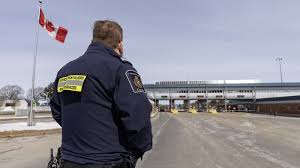
Canada is investing $1.3 billion to bolster security at the border and strengthen the immigration system, all while keeping Canadians safe.
The operation also reflects growing reliance on intelligence led inspections and advanced screening systems to detect concealed illegal items in cargo shipments.
This incident comes at a time when global scrutiny around travel documentation is increasing.
Airports and immigration authorities are tightening verification processes, particularly for cargo shipments and passengers arriving from high risk routes.
This means:
- More rigorous document checks
- Increased inspections at entry points
- Stricter penalties for fraud related offences
For legitimate travellers, the result could be longer processing times but also more secure travel systems.
A Wider Trend
The case reflects a broader global trend as countries step up enforcement against irregular migration and document fraud.
With rising migration pressures, governments are investing heavily in border security, surveillance technology, and international cooperation to detect forged documents and disrupt trafficking networks.
Experts say forged passports remain one of the most commonly used tools by organised groups seeking to bypass visa restrictions and gain access to multiple countries.
Enforcement
For Canada, the arrest reinforces ongoing efforts to protect its borders while maintaining a controlled and secure immigration system.
For Nigeria and other African countries, it highlights the growing importance of document integrity in global mobility.
As international travel systems become more advanced and interconnected, enforcement is becoming faster, smarter, and less forgiving.
The message is clear. In today’s migration landscape, compliance is no longer optional.