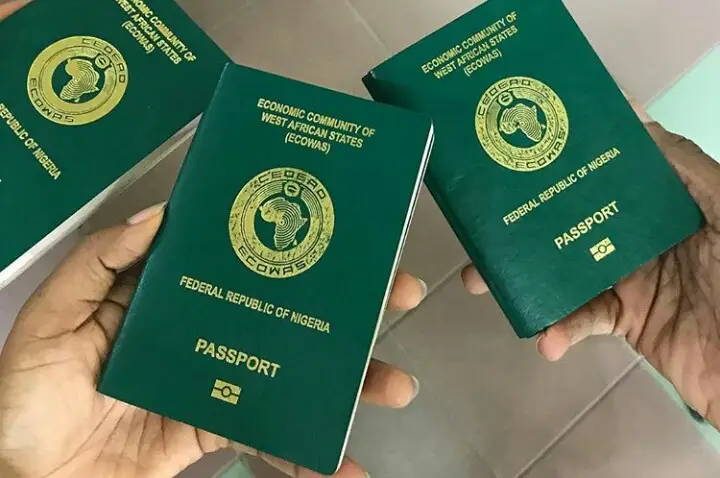
Nigeria’s passport, visa and migration standing in 2026 continues to reflect a familiar pattern, small improvements but deep structural limits.
The latest global passport rankings show that Nigeria has climbed modestly to 89th position, granting visa-free or visa-on-arrival access to about 44 destinations worldwide.
On paper, that’s progress. In reality, it barely scratches the surface of a widening global mobility divide.
Across the same index, countries like Singapore, Japan, and several European states dominate the top tier, offering access to over 180 destinations without prior visas.
That gap between high-mobility and low-mobility passports is now one of the defining features of global travel in 2026.
The West African Reality
Within West Africa, Nigeria’s position remains complicated.
READ ALSO: 10 popular visa-free African countries Nigerian travellers love
Thanks to ECOWAS agreements, Nigerians still enjoy visa-free movement across neighbouring countries, reinforcing regional integration and cross-border trade.
But beyond the region, the story changes quickly.
Visa requirements, high rejection rates, and expensive application processes continue to limit travel opportunities for Nigerian citizens, especially for tourism and business travel.
Long-Term Decline
Even with the recent uptick, analysts say Nigeria’s passport has experienced one of the steepest long-term declines globally.

Over two decades, the country has fallen significantly in global rankings, reflecting weak visa liberalisation efforts and tightening global entry rules.
In simple terms: the system has become harder, not easier.
Policy Moves at Home
Nigeria is not sitting still.
Recent reforms aim to modernise travel processes, including the rollout of an e-visa system and plans to automate short-stay visa approvals within 24 to 48 hours.
Authorities argue that digitisation will:
- Improve efficiency
- Reduce corruption
- Boost tourism and business travel
There is also a push to streamline passport issuance, including contactless applications for Nigerians abroad.
Global Headwinds
Still, external factors remain the biggest constraint.
READ ALSO: Nigeria warns: Renounce citizenship, lose passport forever
Countries are tightening visa regimes, often citing security, migration pressures, and reciprocity policies. Recent restrictions by major destinations like shorter visa validity periods for Nigerians in some countries, highlight how geopolitical dynamics shape mobility.
What It Means for Travellers
For Nigerian travellers, the implications are clear:
- Travel planning remains complex and expensive
- Visa approvals are not guaranteed
- Regional travel remains the easiest pathway
At the same time, rising global travel demand projected to hit record levels in 2026 means competition for access is intensifying.
The Bigger Picture
The Nigerian passport story is no longer just about rankings. It’s about access, opportunity, and global inequality.
Until deeper bilateral agreements and visa reforms take hold, the gap between where Nigerians want to go and where they can go easily will remain one of the defining challenges of African mobility.