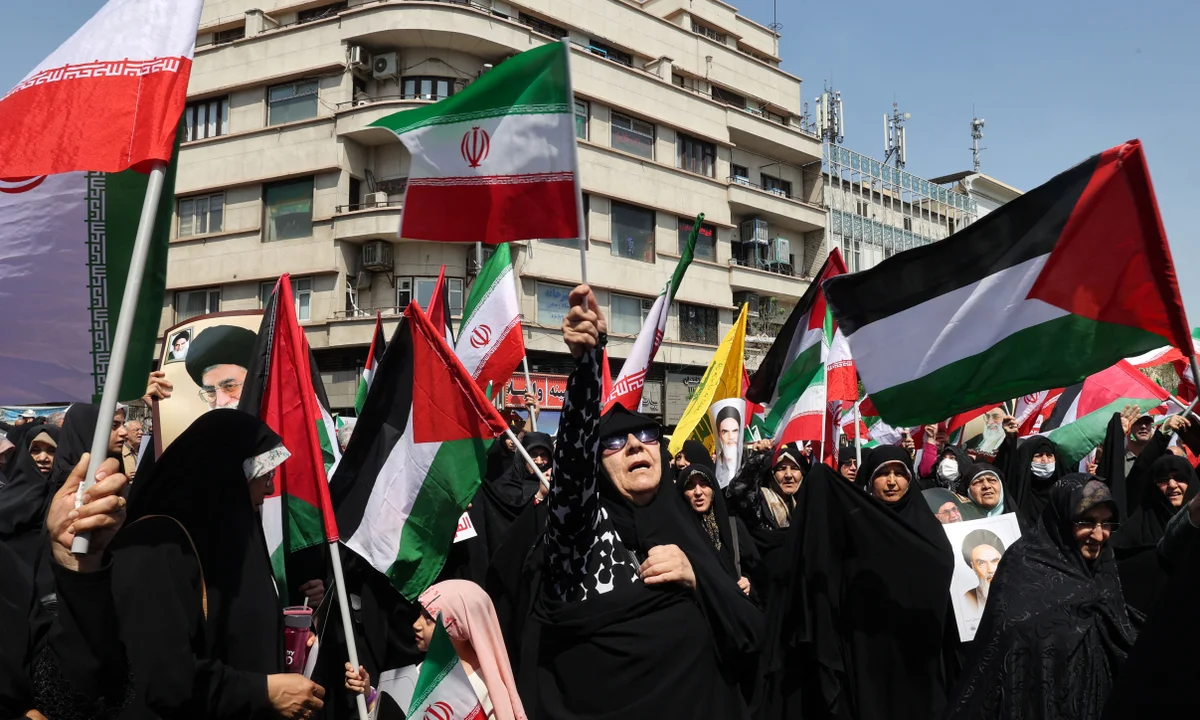
Nigerian travellers, students, NHS workers, and those seeking family reunification in the United Kingdom have been confronted with a political bombshell that could potentially reshape the travel landscape between Nigeria and Britain for a generation.
Reform UK, the right-leaning party led by Nigel Farage, has proposed a sweeping visa ban targeting nationals from any country that formally demands slavery reparations from Britain.
Nigeria sits front and centre on that list, alongside Jamaica, Kenya, Barbados, Haiti, Guyana, Ghana, and the Bahamas.
The party’s home affairs spokesman, Zia Yusuf, made the declaration in a pointed interview with The Daily Telegraph.
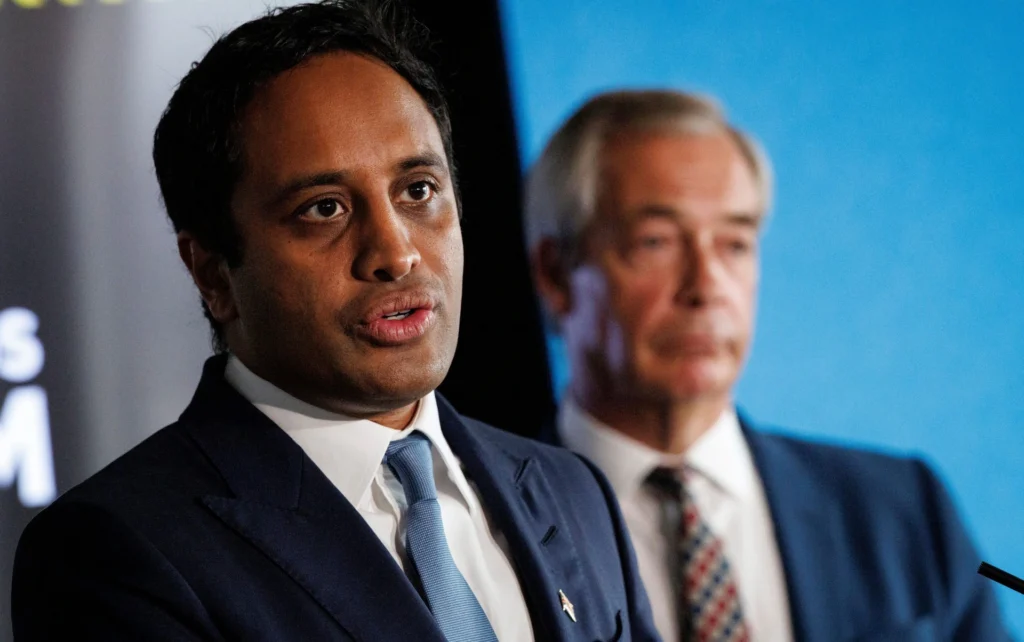
Zia Yusuf says the ‘huge sacrifices’ made by Britain in abolishing and enforcing the prohibition of the slave trade have been ignored Credit: Tolga Akmen/EPA/Shutterstock
He framed the proposal as a firm response to what he described as an “insulting” global push for colonial-era compensation.
“These countries ignore the fact that Britain made huge sacrifices to be the first major power to outlaw slavery and enforce this prohibition,“” ” Yusuf quipped.
READ ALSO: Ghana rallies UN to declare Trans-Atlantic slave trade gravest crime against humanity
Arguement
He argued that Britain, as the first major power to abolish the slave trade, deserves credit rather than financial demands and vowed that under a reform government, new visas to reparation-seeking nations would halt immediately.
“For too long, the British people have watched with bewilderment and justifiable anger as our political class allows this country to be treated like a global doormat.”
“From this point forward, should any country formally demand reparations from the United Kingdom, a Reform government will respond immediately. We will halt the issuance of all new visas to its nationals.”
Background
The trigger is no small matter in diplomatic terms.
In March and early April 2026, the UN General Assembly adopted a resolution declaring the transatlantic trafficking of enslaved Africans as the “gravest crime against humanity.”
The vote passed 123 to three, with the United States, Israel, and Argentina voting against, and 52 nations, including the United Kingdom, abstaining.
READ ALSO: Top 5 historical slave trade sites in West Africa you should know
Ghana championed the resolution, and the African Union backed it firmly.
Effects
For Nigerian travellers specifically, the stakes are enormous.
Nigerians form one of the largest African communities in the UK, contributing critical labour to the National Health Service, social care, education, and the broader economy.
A total visa halt would not simply slow family reunification; it could strand thousands mid-process and eliminate work permit pathways overnight.
Beyond visitor visas, the Reform UK proposal, branded internally as a “Reparations Lock” would suspend work visas, student visas, and family visas simultaneously.
The party has also pledged to slash UK foreign aid to just one billion pounds annually, a reduction of roughly ninety percent from current spending levels.
Countries demanding reparations would lose both travel access and financial support.
Reaction
Critics have moved swiftly to challenge the proposal.
Labour-affiliated policy analysts argue that targeting entire nationalities for the diplomatic positions of their governments is both legally questionable and economically destructive.
Nigeria and Jamaica alone supply thousands of trained nurses and doctors to British hospitals each year.
Removing their visa pipeline would hollow out already stretched NHS rosters almost immediately.
The British government maintained its longstanding position on the same day.
A Foreign Office spokesperson confirmed the UK would not pay reparations but drew a sharp line between that position and maintaining constructive bilateral ties.
Prime Minister Keir Starmer has ruled out both financial compensation and a formal apology, saying he would “rather look at the future.”
Political opposition
It is vital to note that Reform UK is currently in opposition.
The proposal is party policy, not enacted law, and would require the party to win a general election and legislate accordingly.
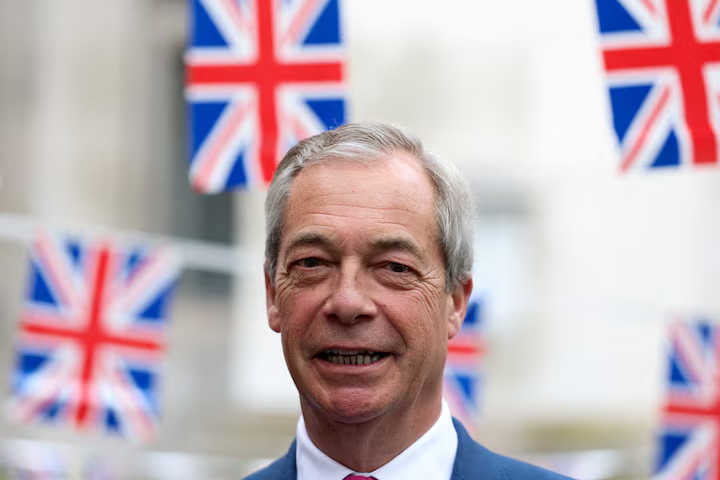
Britain’s Reform UK leader Nigel Farage poses for a photo on the day Britain’s Reform UK party holds press conference, in London, Britain, April 2, 2026. REUTERS/Hannah McKay/File Photo Purchase Licensing Rights
Nevertheless, the very public nature of the announcement; timed precisely to the UN vote, has sent a chill through Nigerian and African diaspora communities across Britain.
For travellers planning UK visits, student applicants, and those in the middle of the spousal visa or family reunification processes, legal experts are urging caution.
Immigration solicitors across London are already fielding calls from anxious Nigerians questioning whether to accelerate pending applications before any policy shifts materialise.
The political debate around reparations is intensifying globally, and Britain finds itself at its epicentre.
Whether Reform UK ultimately reaches government or not, the conversation this proposal has ignited will shape UK-Nigeria and UK-Africa immigration discourse for years ahead.