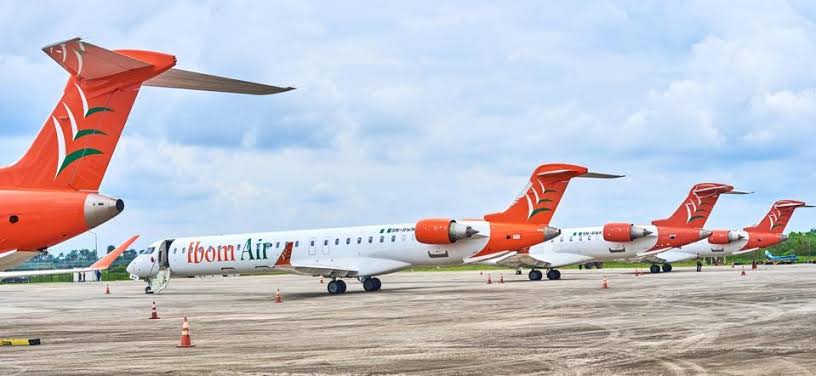
Africa’s aviation sector is picking up pace again, as three new regional air routes launched this April
They are subtly transforming the connectivity landscape across the continent.
Air Tanzania leads the African launches with a new service connecting Dar es Salaam to Mahé Island in the Seychelles.
The Tanzanian flag carrier will deploy either Boeing 787 Dreamliner or Airbus A220 aircraft on the route, operating three weekly frequencies.
READ ALSO: Air Seychelles Launches Paris Nonstop From March 20
This connection opens valuable options for East African travellers seeking access to one of the Indian Ocean’s premier island destinations while simultaneously creating inbound opportunities for Seychelles-based tourism operators targeting the substantial Tanzanian market.
TAAG Angola Airlines will deploy its modern Airbus A220-300 aircraft three times weekly on the West African route.
The connection between Angola’s capital and Côte d’Ivoire’s economic hub addresses a significant gap in intra-African connectivity, facilitating business travel and trade between two of the region’s important economies.
FlyGabon will commence twice-weekly service between Lagos and Cotonou beginning April 19, utilising Airbus A320 equipment.
While the distance between Nigeria and Benin is relatively short, reliable air connectivity between these neighbouring West African nations supports growing cross-border trade and business relationships.
For years, intra-African travel has been a headache: long layovers, expensive tickets, and routes that force passengers to leave the continent just to move within it. These new connections aim to fix that, at least in part.
Seamless Travel
The newly introduced routes are designed to improve direct links between key African cities, cutting down travel time and reducing reliance on non-African hubs. It’s a move that aligns with broader efforts under the Single African Air Transport Market (SAATM), which seeks to liberalize air travel across the continent.
Industry insiders say this isn’t just about convenience it’s about economics.
Improved connectivity means faster movement of people, goods, and services.
That translates into stronger trade ties, increased tourism flows, and better regional integration. In simple terms, planes moving smarter equals money moving faster.
Regional Demand
Airlines rolling out these routes are clearly betting that demand for intra-African travel is finally catching up with policy ambition. And honestly, it’s about time.

Business travel within Africa has been growing steadily, driven by startups, cross-border investments, and a younger, mobile workforce. At the same time, leisure travel is seeing a boost as more Africans explore destinations within the continent rather than looking outward. These new routes are expected to serve both markets business and leisure while also opening doors for cargo movement, a critical but often overlooked piece of the aviation puzzle.
Benefits
Tourism boards across the continent are already smiling. Direct flights mean fewer barriers for travelers, and that’s always good for visitor numbers.
Destinations that were once considered “far” or inconvenient are now becoming weekend options. That shift could redefine how Africans travel—less dependency on Europe or the Middle East, more exploration at home.
Trade is also set to benefit. Faster air links make it easier to move high-value and time-sensitive goods, from agricultural produce to tech equipment.
Challenges
Let’s not pretend everything is perfect. High ticket prices, regulatory bottlenecks, and infrastructure gaps still exist. New routes alone won’t fix decades of fragmented aviation policy.

But this is a step in the right direction a practical move that shows intent, not just policy rhetoric.
A New Chapter for African Aviation
If sustained, these route expansions could mark the beginning of a more connected Africa—one where moving between cities doesn’t feel like an international expedition.
For now, it’s a modest but meaningful win. The kind that doesn’t make loud headlines but quietly changes how a continent moves.