As a Nigerian, there are some hobbies that you cannot think of having. One is backpacking, or even hiking, in Nigeria. I believe that this must be the story of these two so-called suspects that the Nigerian Police are parading as criminal kidnappers.
TL;DR
- Being found in a forest in Nigeria is being used as evidence of criminal activity.
- Hiking in Nigeria, camping, and outdoor exploration are legitimate activities practised worldwide, including in Nigeria.
- Nigerian police frequently profile citizens for appearance, location, or lifestyle and mostly not actual evidence of crime.
- Law enforcement and citizens must distinguish between outdoor recreation and criminal behaviour.
- Innocent Nigerians, including public figures like our radio host Tope Samuel, have been repeatedly harassed with no legal basis.
The Ogun State Arrests: A Warning for Anyone Hiking in Nigeria
On June 2, 2026, Ogun State security operatives arrested a group of people from what was described as a “forest hideout,” labelling them suspected kidnappers. The problem is that the report contains no mention of weapons recovered, no victims rescued, no ransom evidence, and no confession. The only stated basis for arrest was that these individuals were found in a forest.
That is not evidence of a crime. What if they were hiking? What if they were just outdoor enthusiasts?
This story matters because it is not isolated. It reflects a pattern across Nigeria where the simple act of being in nature, like hiking, camping, bird-watching, or building a forest dwelling, is treated as criminal behaviour by default for those hiking in Nigeria. And that is a dangerous, unjust, and legally baseless approach to public security.
And this is not only with the Nigerian Police. Even the regular folks have that backwards mindset. Begs the question:
Is Hiking in Nigeria or Camping in a Forest Illegal?
No. There is no Nigerian law that criminalises being in a forest.
Forests are public natural spaces. Nigerians have the same human right to enjoy nature as citizens in any other country. The Nigerian Constitution guarantees freedom of movement. Unless someone is trespassing on privately owned land, operating in a gazetted forest reserve without permission, or caught with evidence of an actual crime, being in the bush is perfectly lawful.
Countries around the world, including Ghana, Kenya, South Africa, and virtually every nation in Europe and the Americas, have thriving outdoor tourism cultures. People camp, hike, and build off-grid retreats as a matter of freedom and lifestyle.
Nigeria has forests worth exploring too. The problem is that Nigerian security culture has not evolved to recognise this reality for anyone hiking in Nigeria. I mean, villagers see you and easily get paranoid. Even the people you interact with as you go can fearfully call the police on you.
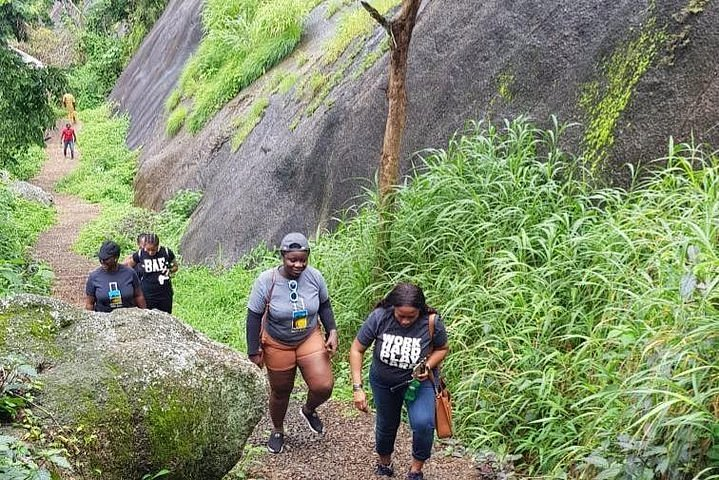
Why Nigerian Police Profile Those Hiking in Nigeria
The honest answer is that Nigerian law enforcement has inherited a security framework built on profiling by appearance and environment. This used to work because criminals back in the day showed their rebellion through the way they dressed and the accessories they wore. So it made it easy for them to be arraigned.
However, this type of lazy policing creates three recurring problems:
- Location profiling: Some people can be classified as criminals just for being in a place they never knew was suspicious. For example, betting houses are legal in Nigeria, but gambling in its confusing, nuanced sense isn’t. Hence, someone may be profiled just because they were inside a betting house when the police arrived. Also, being in a forest, a bush, or a remote area is treated as inherently suspicious, regardless of what the person is actually doing while hiking in Nigeria.
- Appearance profiling: Beards, dreadlocks, or unconventional appearance usually lead to arrests. Even our radio host and Wake and Wander presenter, Tope Samuel, has been arraigned multiple times by Nigerian police because he keeps a beard.
- Lifestyle profiling: People who live off the grid, camp regularly, or spend time in nature are presumed criminal rather than adventurous.
None of these is a legal ground for arrest. The Nigerian Police Act and the 1999 Constitution (as amended) require reasonable suspicion based on evidence, not assumptions based on where someone is standing or what their face looks like.
Criminal Hideout vs. Hiking Camp: What You Should Know
This post is not to say that criminals don’t have forest hideouts. Of course, they do! Just like appearance profiling, there are things that make someone or something illegal.
This is the question every Nigerian, including law enforcement, must learn to ask and answer before raising an alarm or making arrests:
| Feature | Criminal Hideout | Hiking/Camping Site |
|---|---|---|
| Weapons present | Yes, if you find guns, machetes, restraints | No |
| Victims or captives present | Yes, no questions asked | No |
| Evidence of ransom activity | Yes, if you find too many phones, cash, or illegal means of communication like walkies | No |
| Presence of outdoor gear | Possible | Yes, for tents, cooking equipment, maps |
| Legal basis for arrest | Weapons, evidence, victims | None |
The Ogun State arrests, as reported, found none of the markers in the criminal column. The individuals were simply there. That is not enough.
How Security Forces Should Handle Encounters With People Hiking in Nigeria
Responsible law enforcement in any country follows a clear process when they encounter people in outdoor or remote environments:
The police is supposed to…
- Identify themselves and approach in a non-threatening manner.
- Ask questions about the purpose of the visit, duration, and plans.
- Look for actual evidence of criminal activity, like weapons, captives, ransom materials, and contraband.
- Respect the rights of citizens who cannot be detained without lawful grounds.
- Release immediately anyone for whom no evidence of crime exists.
Arresting people and parading them as “suspected kidnappers” in the media without a single piece of evidence harms innocent people, destroys reputations, and makes Nigeria a hostile place for outdoor recreation, eco-tourism, and hiking in Nigeria. It also embarrasses the security services when no charges can stick.
Real Criminals vs. Hikers: The Need for Evidence in Nigerian Forests
Again, does this mean that criminals and kidnappers don’t use forest hideouts? Of course not! Real kidnappers do use forest terrain. Nigerian security forces have made legitimate arrests where weapons were recovered, victims were freed, and ransom networks were dismantled. Those operations are necessary, and they deserve recognition.
But the difference is evidence. When police rescue kidnap victims from a forest camp, they show the victims, the weapons, and the ransom phones. That is evidence. The Ogun story shows none of this. It only shows the arrest of people found in a place.
Security cannot function on vibes. It must function on evidence. The moment law enforcement starts arresting everyone in a forest, they guarantee two things: innocent people suffer, and actual criminals learn to hide their evidence better.
Safety Tips for Hiking in Nigeria and Avoiding Police Profiling
If you are not a criminal, and you hike, camp, or spend time in Nigerian forests, these practical steps can help protect you when hiking in Nigeria:
- Carry identification at all times: Always go around with a national ID, driver’s licence, or international passport.
- Tell someone your plans: Always share your route, destination, and expected return time with a friend or family member.
- Document your activities: Have evidence in photos and videos showing your camping gear, trail maps, and activities. Create a record that is hard to dispute.
- Know the law: You cannot be arrested without reasonable grounds. You have the right to know why you are being detained.
- Contact a lawyer immediately if arrested: If you are a Nigerian, work with a lawyer. If you are a foreigner, look for local branches of the Nigerian Bar Association. They can assist.
- Build community: groups like outdoor clubs, hiking associations, and nature tourism organisations create visibility and legitimacy for outdoor recreation in Nigeria.
The Future of Hiking in Nigeria and Eco-Tourism Growth
Countries that invest in outdoor recreation and eco-tourism grow their economies, improve mental health outcomes among citizens, and protect their natural environments. Nigeria has extraordinary natural assets. From the Idanre Hills in Ondo State to the Gashaka-Gumti National Park in Taraba, the Erin-Ijesha waterfalls in Osun, and countless forest trails across the country.
None of that potential can be unlocked if citizens are arrested for being in the forest while hiking in Nigeria.
The Nigerian Tourism Development Corporation (NTDC) has long spoken about eco-tourism as a revenue source. But eco-tourism requires that people feel safe exploring nature. When being found near a forest is treated as evidence of kidnapping, that message is the opposite of safe.
Frequently Asked Questions About Hiking in Nigeria
Is it legal to hike in Nigerian forests when hiking in Nigeria?
Yes. Hiking in Nigeria and camping in public land and non-restricted forest areas is not illegal in Nigeria. Citizens have constitutional freedom of movement.
Can Nigerian police arrest someone just for being in a forest?
No. A legal arrest requires reasonable suspicion based on evidence. Location alone is not grounds for arrest under Nigerian law.
What should I do if Nigerian police detain me while hiking in Nigeria?
Stay calm, identify yourself, ask the reason for detention, do not resist, and contact a lawyer as soon as possible. Do not sign any document without legal counsel or give any bribe to anyone.
How can Nigeria develop its hiking in Nigeria and eco-tourism sector?
Through public education campaigns about outdoor recreation, police training on distinguishing recreation from criminal activity, investment in trail infrastructure, and media representation of outdoor culture as a normal Nigerian lifestyle.
What are the best places for hiking in Nigeria?
Nigeria has extraordinary natural assets for hiking, including the Idanre Hills in Ondo State, Gashaka-Gumti National Park in Taraba, and Erin-Ijesha waterfalls in Osun State.