


If you have been following my blogs here, you will see that whenever I mention great things about a country, I talk about food and drinks. Naturally, I have something for good food. I don’t like being called a foodie, but I believe food is one of mankind’s reasons for existence. I mean, one thing we all have in common is that we can appreciate good food. And if you are adventurous like me, I’m about to feed your eyes and water your mouth with truly wonderful foods and the best African countries to visit for food only!
Culinary Travel, Anyone?
First date question: “Do you like food?”
When you enter Lagos, and you pass by a buka, the aroma of several spices fighting for space in your brain can make you empty your wallet. Or when you go to Dakar and see Thieboudienne or kenkey paired with fried fish on the streets of Accra.
I’m telling you, man, Africa is blessed with amazing dishes. If you never try it, take a culinary trip. Just travel to the best African countries to visit for food and enjoy unforgettable flavour, deep cultural roots, and world-class street food.
Don’t make it look like people like me are weird for travelling just for food. A survey says that 84% of travellers say local cuisine influences their destination choice. And a 2025 study by American Express revealed that 81% of travellers look forward to food experiences when travelling abroad.
Meanwhile, Africa is a big deal in terms of the best places to visit for food. Cape Town was named the best city in the world for food in the 2024 Condé Nast Traveller Readers’ Choice Awards, receiving an outstanding score of 95.65, beating Tokyo, Rome, and Milan. That means Africa is on the map for everything, and now for the best food in the world.
Now, I will let you in on the best African countries to visit for food. Whether you are a Nigerian looking to explore, a diaspora foodie, or an international visitor discovering Africa for the first time, this guide will help you eat your way across the continent’s most flavourful destinations.
Best African Countries to Visit for Food
African food is highly underrated. We gave the world coffee (thanks, Ethiopia). We perfected slow-cooked meat long before France called it braise. And yet you see one restaurant saying they sell African food just because they have goat meat and Banga soup. Let me show you what you can travel for with the best African countries to visit for food.
Nigeria: A Top Destination for Authentic African Street Food
Have you been to Nigeria? Nigerians cook with a vibrant blend of flavours, spices, and traditions. You will see, smell, feel and even hear the food calling you. From smoky Party Jollof rice to Suya, Nigerian food is a celebration of identity and community. (It is still a fight between Nigeria and Ghana over the best Jollof Rice, but take it from me, Nigerian Jollof rice wins).
Every state in Nigeria will give you a food experience. There are over 250 ethnic groups in Nigeria, and each one has its own distinct foods. Like Nigerians still fight over which tribe cooks best!
What to Eat

Jollof Rice: This dish is at the centre of West Africa’s greatest culinary rivalry (Nigeria vs Ghana, if you didn’t know). Nigerian jollof is cooked in a smoky tomato-and-pepper base, often with a charred bottom that the best cooks consider the whole point.
Egusi Soup: If you love soups, try the bursting flavours of this one. It is made with ground melon seeds cooked with palm oil, leafy vegetables, dried fish, and meat. Nigerians don’t eat soup alone. We eat it with a swallow, or finger food like pounded yam, eba, or fufu.
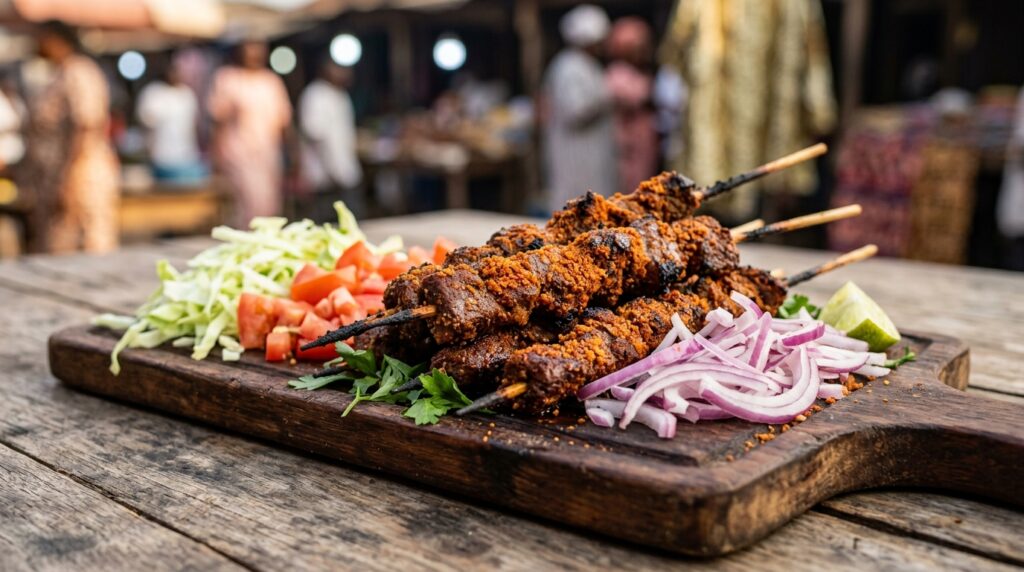
Suya: There is a mystery about suya that even Nigerians have not solved. You rarely find suya sellers out in the daytime. This dish of thin slices of beef or chicken threaded on skewers, coated in a spice mix that includes ground peanuts and grains of Selim, then grilled over open flame and served with sliced onions, cabbage, cucumber and tomatoes. This is Nigeria’s street food at its peak.
Pepper Soup: A light, spicy broth with goat meat or fish, loaded with uziza leaves and other aromatic herbs. Order this if you’re under the weather. Or if you’re not. It works either way.
Where to eat
Lagos is the obvious answer. Lagos is the most diverse state of all. Almost all ethnic groups are in Lagos, and they bring their foods with them. But Port Harcourt is more known for its top 5-star restaurants.
Morocco With Spices, Souks, and the Most Seductive Street Food on Earth
I love Nigeria, but have you eaten in Morocco? Damn! The food here is layered, warm, and wildly aromatic.
What to eat:
Tagine: Slow-cooked meat or vegetables in a clay pot, often with olives, preserved lemon, and saffron. This one is kind of a soul food for when you just need something to calm you down.
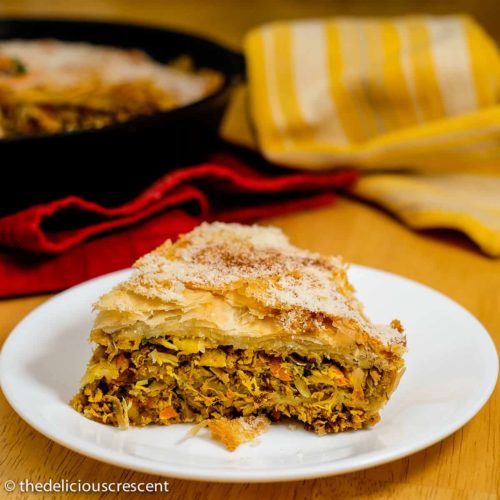
Pastilla (B’stilla): A flaky pastry filled with spiced pigeon (or chicken), dusted with powdered sugar and cinnamon. It gives you that sweet and savoury explosion in your mouth. It’s extraordinary.
Harira: A thick, tomato-based soup with lentils, chickpeas, and herbs. Traditionally eaten to break the Ramadan fast, but available year-round.
Couscous: Real Moroccan couscous is steamed multiple times over a broth, served with caramelised onions and slow-cooked meat or vegetables.
Where to eat
The Djemma el-Fna square in Marrakech becomes an open-air food market at sunset. Dozens of food vendors will be there, with smoke rising with the sound of drums in the background. Fez is quieter and arguably more authentic. If you want a proper sit-down meal, Moroccan riads often host cooking classes where local chefs teach traditional techniques passed down through generations.
Don’t miss: Ask for mint tea to flush down your insides.
Ethiopia Will Feed You Like Family
Ethiopia is the only country on this list where the food, the culture, and the eating experience are completely inseparable. And in their culture, they love to share.
Everything is served on injera, a spongy, sourdough flatbread made from teff, a grain native to the Ethiopian highlands. It’s used as both a plate and an eating utensil. The dishes, like wats, tibses, and lentil stews, are arranged on top of it. You tear, scoop, and eat together. There are no separate plates at a traditional Ethiopian meal.
What to eat
Doro Wat: Slow-cooked chicken in a rich, deeply spiced berbere sauce with hard-boiled eggs. This is the national dish. I swear, if you miss this, you may regret it.
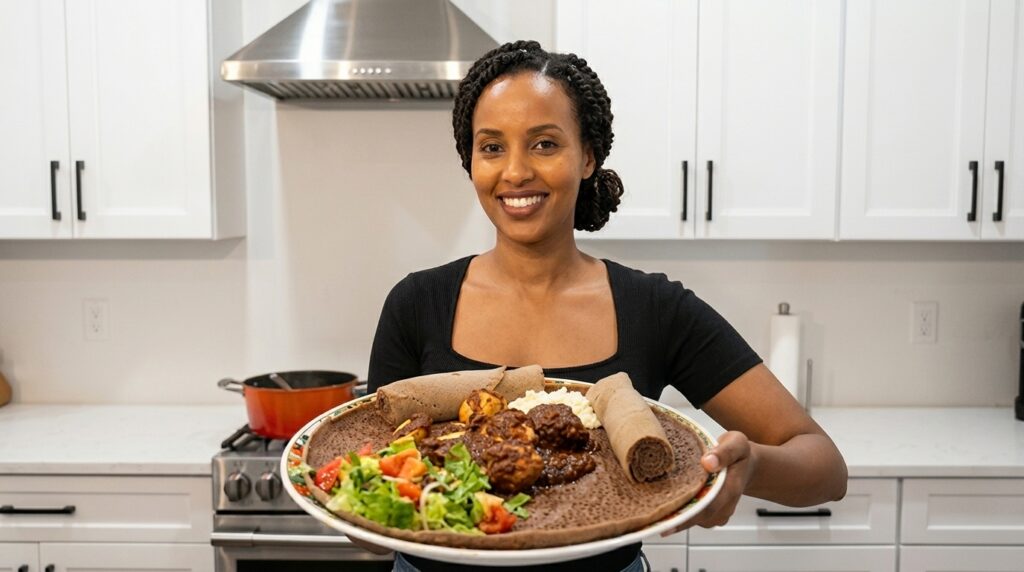
Tibs: Sautéed beef or lamb with onions, garlic, and hot pepper, cooked in butter. It is a simple dish, but it tastes absolutely brilliant.
Shiro: A silky stew made from ground chickpeas or broad beans. It’s more of a vegetarian stew, but I love it.
Kitfo: Ethiopian steak tartare, seasoned with mitmita (a chilli spice blend) and spiced butter. It is like eating sushi, but with meat. Yes, it’s exceptional.

And then there’s coffee. Ethiopia is where coffee was first discovered in the Kaffa region, which is where the word “coffee” likely comes from. And Ethiopian coffee ceremonies are a whole experience.
Where to eat
Addis Ababa has a thriving restaurant scene, but some of the most memorable eating happens in local tej houses, which are traditional bars where honey wine is served alongside food. The city of Lalibela and the Tigray region offer some of the most rural and authentic communal dining.
Senegal, the UNESCO-Recognised Food Culture and the Best Rice Dish in West Africa
Senegal is the only country in the world whose national dish, thiéboudienne, has UNESCO Intangible Cultural Heritage status.
Dakar has been quietly building a reputation as one of Africa’s most exciting food cities, with a generation of chefs reconnecting with traditional Senegambian ingredients and techniques. But the real soul of Senegalese food is still in home kitchens and neighbourhood restaurants called dibiteries, where goat and lamb are grilled over charcoal and served with mustard and spiced vinegar.
What to eat
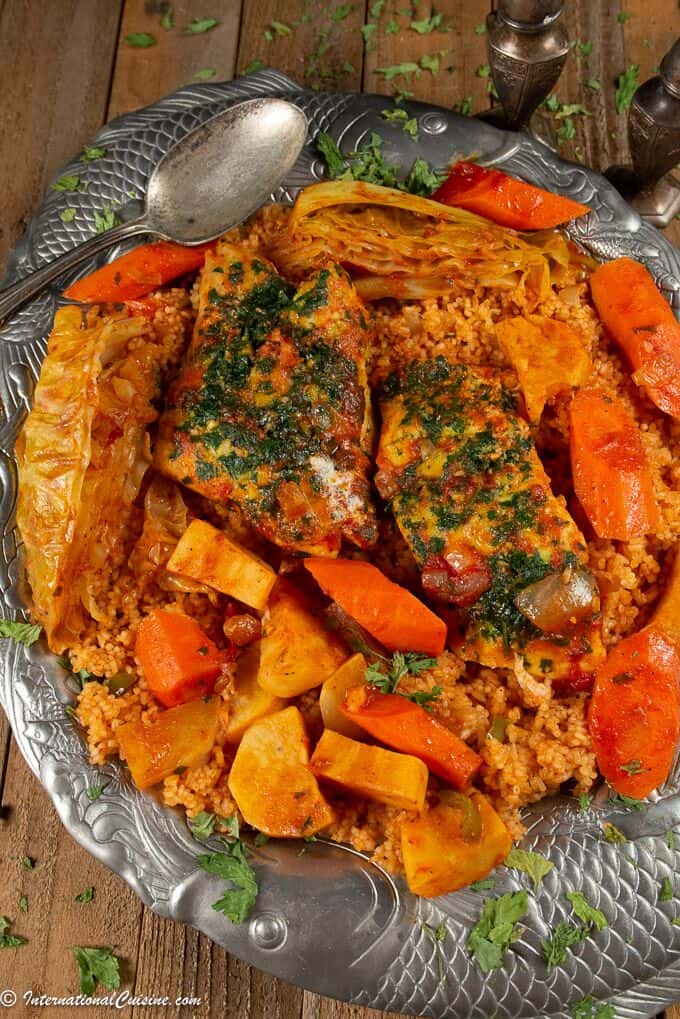
Thiéboudienne: If you don’t visit for anything, you must go for this dish. It is broken rice cooked in a rich tomato and fish broth with stuffed whole fish served on top, and fermented shellfish paste for depth. I still can’t pronounce it correctly till today, but I believe it is Nigerian Jollof rice with extraordinary extra steps.
Yassa: Grilled chicken (or fish) marinated in lemon juice and mustard, then slow-cooked with caramelised onions. Bright, tangy, and deeply satisfying.

Mafé (Groundnut Stew): A peanut-based stew with beef or lamb and root vegetables. Rich and nutty in the best possible way.
Café Touba: Coffee brewed with grains of Selim and cloves. It’s the national drink, sold on street corners, and nothing like anything you’ve had before.
Where to eat
Dakar’s Sandaga market and the Saint-Louis fishing village are where the ingredients begin. For the full dining experience, restaurants in the Plateau neighbourhood have refined traditional recipes without losing their soul.
South Africa
South Africa has many cuisines and each one feels like you are learning something. Someone once said that eating Cape Malay curries feel like you can taste enslaved people brought from Southeast Asia. And then there’s the wine. The Cape Winelands region produces some genuinely world-class bottles.
What to eat:
Braai: Braai is like suya, but with sausage, lamb chops and sosaties (skewered meat). It is also prepared over open flame. The smell alone will convert you.

Bobotie: Spiced minced meat topped with an egg custard and then baked. It is served with yellow rice and chutney. This dish is amazing. It wakes up your tongue and appetite. I believe it is also the national dish.

Cape Malay Curry: Fragrant, mildly spiced, and complex, made with influences from Indonesian and Malaysian cooking. Try it in Cape Town’s Bo-Kaap neighbourhood.
Where to eat
Cape Town’s restaurant scene is legitimately world-class, with restaurants like Wolfgat (a couple of hours up the coast in Paternoster) having topped global rankings. But some of the best eating is informal. Saturday morning braais, Cape Town’s Bay Harbour Market, and the Indian-owned curry houses of Durban’s Grey Street.
Egypt – Best African Countries to Visit for Food
Egyptian food is ancient. Some of these dishes have been traced back to pharaonic times. Ful medames (slow-cooked fava beans) have been found in archaeological digs. The food here is simple, sustaining, and extraordinarily good.
Cairo’s food scene has also grown significantly in recent years, with a generation of young Egyptian chefs reworking traditional recipes for a new audience without losing what makes them special.
What to eat:
Ful Medames: Slow-cooked fava beans with olive oil, lemon, garlic, and cumin. Eaten for breakfast by most of the country. Order it with warm bread and a fried egg on top.
Koshary: Egypt’s most beloved street food: a bowl layered with pasta, rice, lentils, fried onions, tomato sauce, and vinegar dressing. It’s carb-heavy and borderline perfect.
Ta’ameya: Egyptian falafel, made with fava beans (not chickpeas), bright green inside, crispy outside. Better than any falafel you’ve had elsewhere. I will not apologise for that sentence.
Where to eat
Downtown Cairo’s Koshary Abou Tarek is an institution with four floors of people eating koshary for over 60 years. For breakfast, any neighbourhood ful cart will outperform most restaurants. The area around Khan el-Khalili market has traditional restaurants worth exploring, though avoid the tourist menus and ask locals where they actually eat.
Practical Tips for Exploring the Best African Countries to Visit For Food
Before you book your plate (and your flight), here are a few tips to make the most of a culinary trip to Africa:
Go where the locals go. The best food in Africa is rarely in hotel restaurants. It is in bukas in Lagos, at Waakye vendors on Accra side streets, and in family homes in Dakar. If there is a queue, join it.
Eat with your hands. Many African dishes are designed to be eaten communally, by hand, from a shared platter. Embracing this really makes the food taste better.
Eat the street food. Street food in Africa is the main event. Try suya, kenkey with fried fish, and roasted plantain from roadside vendors.
Travel during food festivals. The Accra Food Festival (Ghana), the Kenkey Festival in Accra (March), the Port Harcourt Bole festival in Nigeria, and various food events in Dakar offer extraordinary access to local flavours in celebratory settings.
Frequently Asked Questions About Best African Countries To Visit For Food
What is the best country to visit for food?
Globally, countries like Japan, Italy, Mexico, France, and Thailand consistently rank among the world’s top food destinations. However, Cape Town, South Africa, was named the best city in the world for food in the 2024 Condé Nast Traveller Readers’ Choice Awards, marking a landmark moment for African food on the world stage.
What are the top 10 most popular cuisines in the world?
Italy, Japan, Mexico, France, Thailand, India, China, Spain, Greece, and Brazil consistently rank as cuisines celebrated for their rich culinary traditions. However, West African cuisines are rapidly gaining global recognition. Nigerian, Ghanaian, and Senegalese dishes are increasingly featured in international food festivals, fine dining restaurants, and culinary media, driven partly by the growing global influence of Afrobeats culture and the African diaspora.
Where to travel for good food?
For African travellers and food lovers specifically interested in West African cuisine, Lagos (Nigeria) for party Jollof Rice and Suya, Accra (Ghana) for Waakye and kenkey, and Dakar (Senegal) for Thieboudienne and Yassa are all outstanding choices. For a broader African food experience, Cape Town (South Africa) and Marrakech (Morocco) are also world-class culinary destinations.
Which country has the best food in the world?
This is gloriously subjective and hotly debated. Japan, Italy, and France have long dominated such conversations. However, Cape Town being voted the world’s best food city in the 2024 Condé Nast Traveller Readers’ Choice Awards demonstrates that Africa can compete with and beat the world’s most established culinary capitals. For West African food specifically, Nigeria’s depth and diversity make a very strong case for inclusion in any serious global food conversation.
Where do classy people go on holiday?
Modern luxury travel has moved well beyond European capitals and Caribbean resorts. Sophisticated travellers now seek out culturally rich, authentic experiences — and Africa delivers. Dakar’s upscale dining scene, Cape Town’s world-class restaurant landscape, and Lagos’s thriving fine dining and food festival culture all attract a well-travelled, discerning crowd. Luxury hotel groups, including One&Only Resorts, Azalai Hotels Group, and Marriott Luxury Collection and Autograph Hotels are positioning African food as a defining part of the guest experience through partnerships with celebrated chefs and the use of indigenous ingredients.
Which food is best for long travel?
When travelling across West Africa, lighter dishes with good protein content travel well and sustain energy. Suya (grilled spiced meat) is a practical and flavourful travel snack. Moi Moi (steamed bean pudding) is filling and relatively light. Kenkey with protein is energy-dense and long-lasting. For flights and road trips, packaged kilishi (Nigerian dried spiced beef) is an ideal travel food — shelf-stable, high in protein, and packed with flavour.
Is it safe to eat street food in West Africa?
Yes, if you follow basic food safety practices. Look for vendors with high customer turnover (which ensures fresh cooking), observe proper hygiene handling, and stick to thoroughly cooked, hot-off-the-grill items. Bottled or sealed drinks are also recommended for first-time visitors.
The Bottom Line
Africa is not one country. It’s not one cuisine. It’s a continent of extraordinary culinary diversity that has shaped global food culture in ways most people still don’t fully know.
The countries on this list are just the start. Ghana’s kelewele and groundnut soup deserve their own article. Tunisia’s brik and harissa will change how you think about chilli. Mauritius’s fusion of Indian, French, and Creole cooking is unlike anywhere else on earth.
But start here. Eat a bowl of egusi in Lagos. Sit down for injera in Addis. Pull apart a piece of pastilla in Fez.
Then try to think about Paris the same way you did before.


