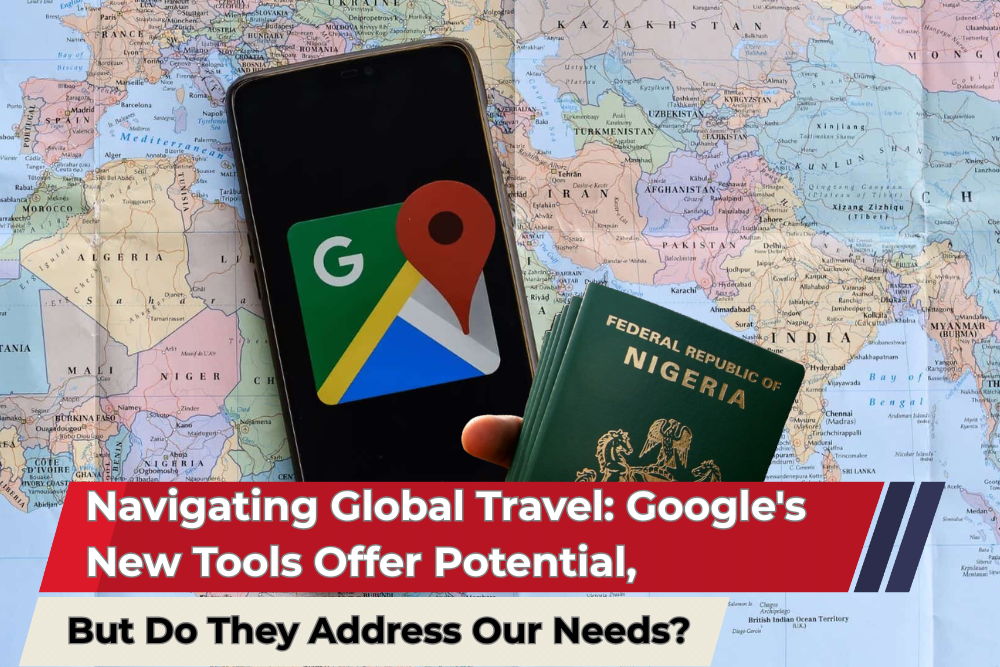
Google has unveiled new travel planning features, including hotel price alerts and screenshot-based trip organization, designed to streamline the booking process. While these tools promise convenience, it’s essential to examine their implications for Black and African travelers navigating a complex global travel landscape.
The hotel price tracking tool, integrated into Google Search and Google Travel, allows users to receive alerts when rates drop. This feature could potentially help travelers save money, a significant consideration given the often-higher costs associated with international travel, particularly for those traveling from or within Africa.
“This is designed to help travelers find the best deals without constant manual searching,”
a Google spokesperson stated.
However, the question remains: does this feature adequately address the financial barriers that may disproportionately affect Black and African travelers? For example, the cost of visas, which can be exorbitant for many African nations, is often a more significant financial hurdle than hotel prices.
The screenshot-based trip planning feature, integrated into Google Photos, enables users to save destination information directly from screenshots. This function, leveraging AI to categorize and retrieve travel-related images, aims to simplify access to crucial details such as hotel names, flight options, and attraction recommendations. This is useful for planning itineraries, and can be used to document cultural destinations and experiences.
While Google highlights the convenience of these tools, it’s crucial to consider their accessibility. Access to reliable internet and smartphones is not universal, and digital literacy varies significantly across the African continent.
Furthermore, these tools do not inherently address the systemic issues of visa discrimination and travel restrictions that often impact Black and African travelers. As we navigate these new technologies, we must remain vigilant in advocating for equitable travel policies and challenging misrepresentations in travel narratives.
“Travel Radio’s mission is to empower Black and African travelers,” says a representative of Travel Radio, “and we must analyze how these tools impact our community’s ability to navigate the world.”
As Google continues to expand its AI-powered travel services, we urge the company to consider the specific needs and challenges faced by Black and African travelers. We call for the development of tools that not only simplify booking but also promote cultural understanding and equitable access to global experiences.