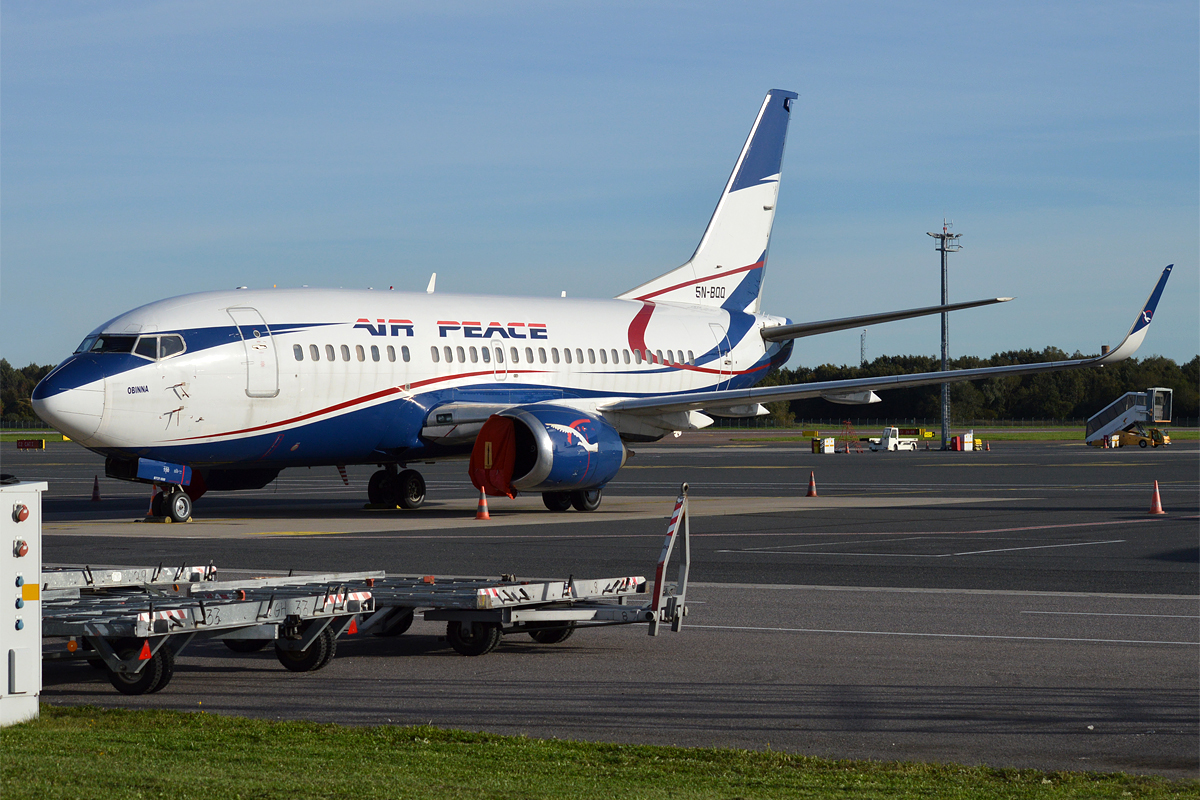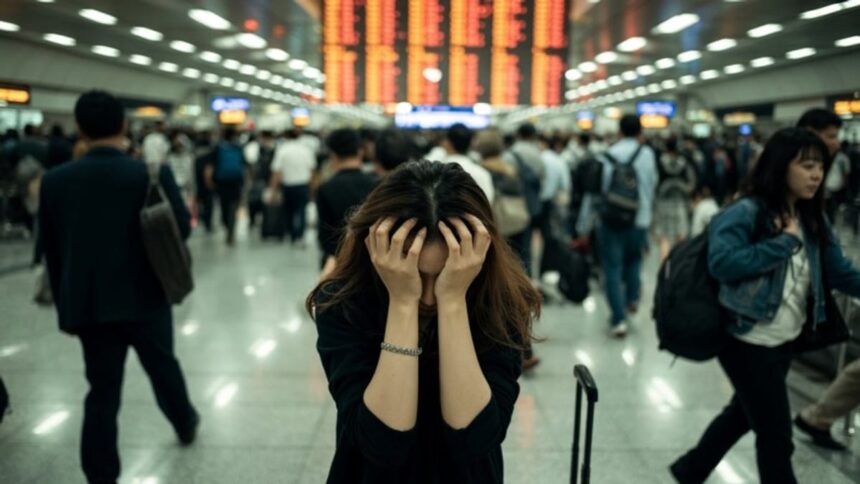
Widespread flight cancellations and delays have disrupted both domestic and international travel, leaving thousands of travellers stranded across major Chinese aviation hubs.
The disruption hit key airports including Beijing, Shanghai, and Guangzhou, creating long queues, missed connections, and uncertainty for passengers trying to reach their destinations.
Severe Weather
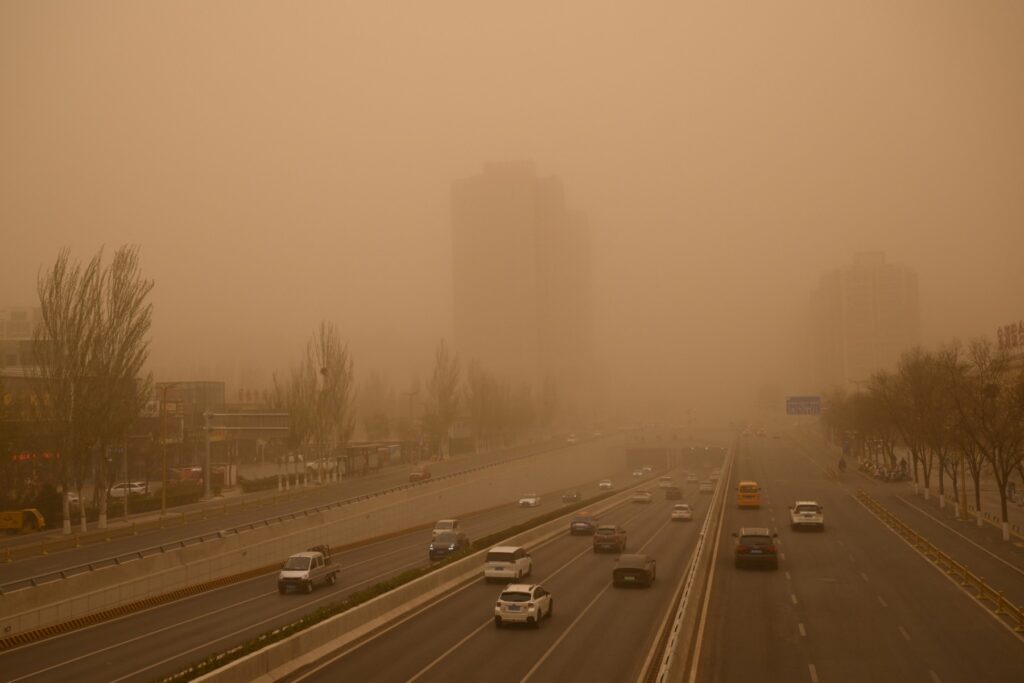
Industry reports indicate that severe weather conditions, particularly storms and low visibility, were the primary cause of the disruption. These conditions forced air traffic authorities to reduce flight operations, leading to over 100 flight cancellations and hundreds of delays across multiple cities.
Airlines, including major Chinese carriers, were affected, as tight flight schedules and high passenger volumes made it difficult to quickly recover from the disruption.
Delays
The sudden cancellations left many passengers stranded at airports for hours, with some reporting delays of up to 14 hours while waiting for rebooking options.
READ ALSO: 12.5 million Britons plan UK holiday trips over the Easter weekend
Travellers struggled with limited information, overcrowded terminals, and difficulties securing alternative flights, especially on busy domestic routes where demand remained high.
Ripple Effects
The disruption in China is part of a broader pattern of aviation instability across Asia. Recent weeks have seen thousands of flights delayed or cancelled across the region, affecting major hubs from Tokyo to Dubai.
Experts say the interconnected nature of global aviation means that disruptions in one major hub can quickly cascade across international networks, impacting flights far beyond the original location.
Airlines Struggle
Airlines have begun recovery efforts, including rebooking passengers, repositioning aircraft, and adjusting schedules. However, the backlog of disrupted flights means delays may continue in the short term.
Some carriers have offered accommodation and compensation to affected passengers, although reports suggest inconsistent service delivery in certain cases.
Impact
Aviation experts are advising passengers travelling through major Asian hubs to monitor flight updates closely, allow extra travel time, and remain flexible with schedules.
The incident highlights the ongoing vulnerability of global air travel systems to weather disruptions and operational constraints, particularly in high-traffic regions like China.