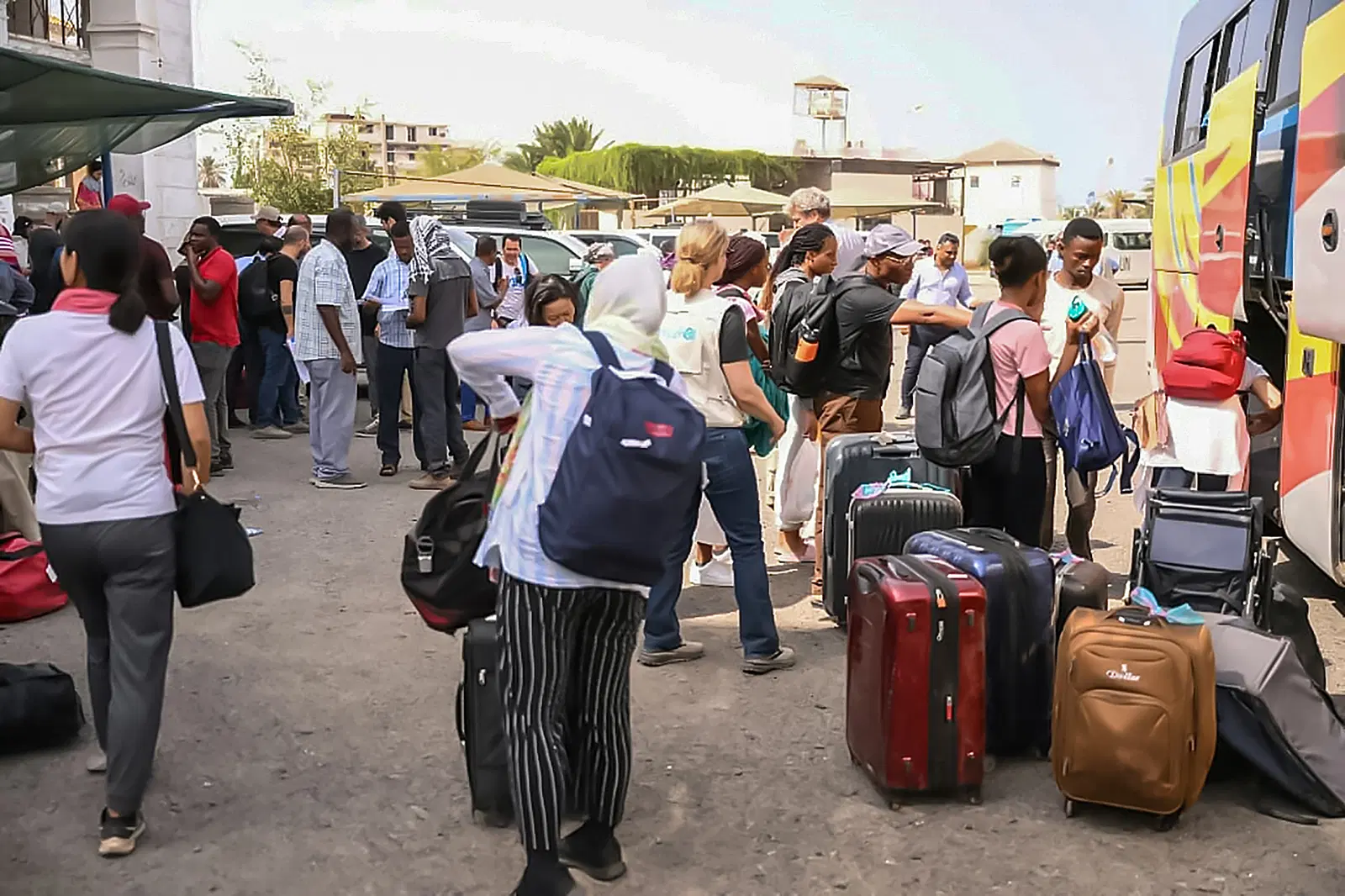
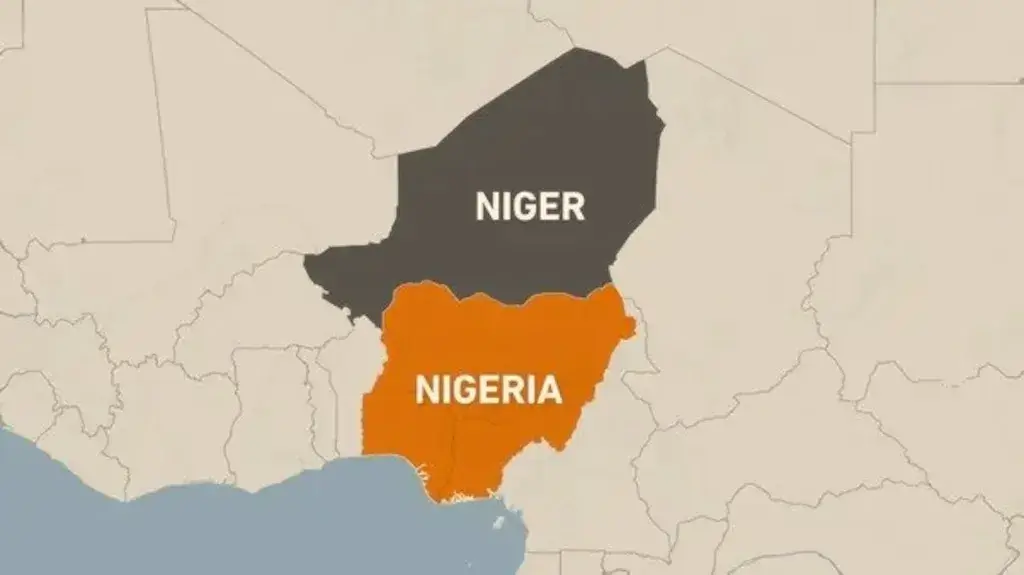
Nigeria’s federal government has successfully evacuated 1,230 citizens who were stranded in Niamey, Niger Republic, in a coordinated humanitarian operation involving multiple government agencies.
The evacuees returned in two batches; 708 on March 23 and 522 on March 29, arriving safely in Kano. Upon arrival, authorities provided immediate support, including basic relief services and assistance with family reunification.
The operation was led by the Federal Ministry of Foreign Affairs Nigeria in collaboration with the National Emergency Management Agency, the Nigeria Immigration Service, and other relevant security agencies. Officials say the success of the mission reflects strong coordination and rapid response capabilities across institutions.
Inter-Agency Cooperation
Speaking on the operation, Foreign Affairs spokesperson Kimiebi Imomotimi Ebienfa described the evacuation as a clear example of effective inter-agency collaboration.
“This was a coordinated humanitarian exercise that underscores the federal government’s unwavering commitment to the protection, welfare, and dignity of its citizens abroad,” he said.
READ ALSO: Nigeria begins evacuation of citizens from Iran via Armenian border
Although the government did not publicly disclose the exact circumstances that led to the situation, officials confirmed that the affected Nigerians were facing difficult conditions amid evolving regional developments. Observers note that instability and shifting political dynamics in parts of West Africa continue to pose risks to cross-border movement.
Proactive Evacuations
The latest evacuation mirrors previous large-scale repatriation efforts carried out by Nigerian authorities.
In 2023, the government evacuated citizens from Libya and Sudan during periods of heightened crisis, reinforcing a pattern of proactive intervention when Nigerians abroad are at risk.
Analysts say such operations demonstrate a growing institutional readiness to respond to emergencies involving citizens outside the country. They also reflect Nigeria’s broader diplomatic and humanitarian obligations within the region.
Implications
Beyond the immediate humanitarian outcome, the development carries wider implications for travel and tourism across West Africa. The ECOWAS protocol on free movement has long enabled Nigerians to travel easily for business, tourism, and family engagements across countries such as Niger, Ghana, and Senegal.
However, incidents like this highlight the fragile nature of regional mobility. Political shifts, security concerns, and unexpected disruptions can quickly affect even routine travel plans.
As Easter 2026 approaches, thousands of Nigerians are expected to embark on short-haul trips within the sub-region. Industry stakeholders warn that travelers must now balance convenience with caution.
Travel Safety
Travel experts are urging Nigerians to treat regional trips with the same level of preparation as long-distance international travel. Preparation, they say, is no longer optional, it is essential.
Key recommendations include registering with the nearest Nigerian diplomatic mission before departure, carrying valid identification and travel documents at all times, and purchasing comprehensive travel insurance that covers emergency evacuation and repatriation.
In addition, travelers are advised to monitor official advisories issued by the Ministry of Foreign Affairs and remain alert to changing conditions in their destination countries.
Ultimately, the evacuation serves as both a success story and a cautionary signal—proof that while movement across West Africa remains accessible, it is no longer risk-free.